Breaking the Illusion Around Personality Tests at Work
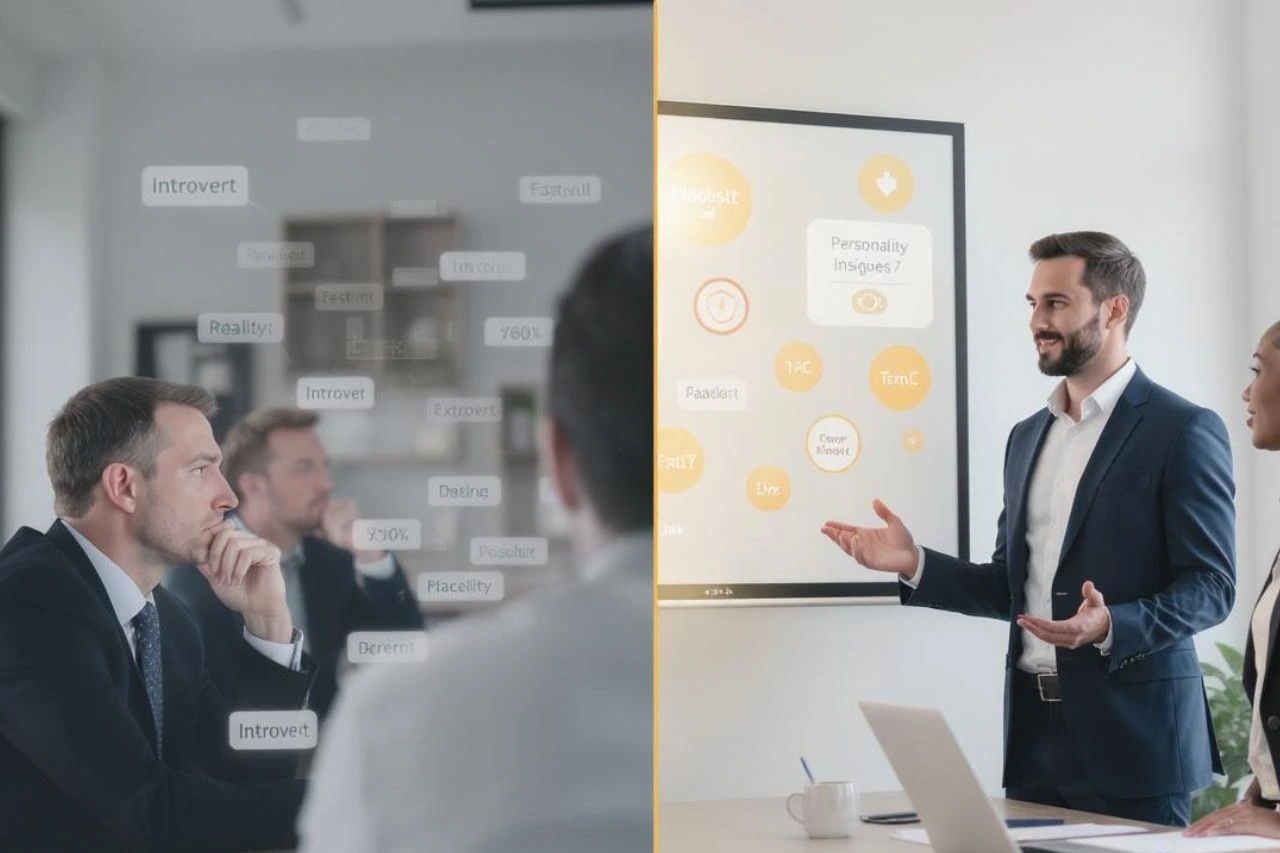
Personality tests have become a familiar part of modern hiring and employee development. Yet despite their growing presence, many professionals still question their credibility. The truth is that most doubts come from outdated beliefs or misunderstandings rather than actual evidence. That is why dismantling common myths about personality tests is essential for organizations aiming to make smarter people decisions.
As businesses continue to rely on HR trends and insights along with employee engagement research, personality assessments are gaining renewed relevance. However, without separating fact from fiction, companies risk overlooking a powerful tool that can strengthen workplace management strategies and support long term growth.
The Misconception That Personality Tests Are Not Reliable
One of the most persistent myths suggests that personality tests lack reliability. Many assume results can easily change or be manipulated. In reality, scientifically validated assessments are designed with consistency in mind. When used correctly, they provide stable insights into behavioral tendencies rather than momentary moods.
Moreover, advancements in talent acquisition trends have improved test design significantly. Modern tools undergo rigorous validation processes to ensure accuracy. As a result, organizations can confidently use these assessments as part of a broader hiring and development framework.
The Belief That Personality Tests Label Employees Permanently
Another common misunderstanding is that personality tests box individuals into fixed categories. This belief often discourages both employers and employees from embracing them. However, dismantling common myths about personality tests reveals a different perspective.
Personality assessments do not define people. Instead, they highlight preferences and tendencies that can evolve over time. In fact, leadership development insights emphasize that self awareness gained through these tools can drive personal growth. Employees can learn to adapt, improve communication, and strengthen collaboration rather than feel restricted.
The Idea That Candidates Can Easily Fake Results
A frequent concern among hiring managers is that candidates may manipulate their answers to appear more desirable. While this is partially true for poorly designed assessments, most modern tools include mechanisms that detect inconsistencies and response patterns.
Additionally, when personality tests are combined with structured interviews and other workplace management strategies, the overall hiring process becomes more balanced. This integrated approach ensures that no single method dominates decision making, reducing the risk of inaccurate evaluations.
The Assumption That Personality Tests Replace Human Judgment
Some organizations fear that relying on assessments might eliminate the human element in decision making. However, dismantling common myths about personality tests highlights that these tools are meant to support, not replace, human judgment.
In practice, they serve as an additional layer of insight. When aligned with employee engagement research and future of work research, personality data helps managers understand team dynamics more deeply. This allows leaders to make informed decisions while still considering individual context and experience.
The Myth That Personality Tests Are Only Useful for Hiring
Many companies limit personality assessments to recruitment alone. This narrow view prevents them from unlocking the full potential of these tools. In reality, personality insights can be valuable across multiple stages of the employee lifecycle.
From onboarding to leadership development insights, these assessments help identify strengths, communication styles, and growth opportunities. As a result, organizations can create more personalized development plans that align with both individual goals and business objectives.
Skeptics often argue that personality has little to do with job performance. While technical skills are undeniably important, behavioral traits play a crucial role in how individuals collaborate, adapt, and lead.
Studies within HR trends and insights consistently show that team compatibility and communication styles influence productivity. By understanding these factors, companies can build stronger teams and foster a more positive work environment. This demonstrates why dismantling common myths about personality tests is vital for modern workplaces.
The Fear That Personality Testing Creates Bias
Concerns about bias in hiring are valid, yet personality tests are often misunderstood in this context. When designed and implemented ethically, these tools can actually reduce bias by introducing standardized evaluation criteria.
Instead of relying solely on subjective impressions, organizations can use structured data to guide decisions. This aligns with evolving talent acquisition trends that emphasize fairness and inclusivity. Consequently, personality assessments can contribute to more equitable hiring practices.
Why Understanding Personality Tests Matters Today
As workplaces continue to evolve, the need for deeper human understanding becomes more important. The future of work research highlights a shift toward people centric strategies where emotional intelligence and adaptability are key drivers of success.
Dismantling common myths about personality tests allows organizations to embrace these changes with confidence. By integrating personality insights into everyday practices, businesses can enhance collaboration, improve engagement, and build resilient teams.
Turning Insight Into Action for Better Workplace Outcomes
Organizations that move beyond misconceptions can use personality tests as a strategic advantage. Start by selecting validated tools that align with your business goals. Then integrate them into broader workplace management strategies to ensure balanced decision making.
Equally important is creating a culture of openness where employees view assessments as opportunities for growth rather than evaluation. When supported by leadership development insights and employee engagement research, this approach fosters trust and encourages continuous improvement.
Personality tests are not a shortcut or a standalone solution. However, when used thoughtfully, they offer meaningful insights that support smarter hiring, stronger teams, and sustainable growth.
Practical Insights You Can Apply Right Away
To truly benefit from personality assessments, organizations should focus on education and transparency. Clearly communicate the purpose of these tools and how the results will be used. This builds confidence and encourages honest participation.
At the same time, combine personality data with other evaluation methods to create a well-rounded view of each individual. Align insights with talent acquisition trends and future of work research to stay relevant in a rapidly changing environment.
Finally, invest in training managers to interpret results effectively. When leaders understand how to apply these insights, they can create more inclusive teams and drive better outcomes across the organization.
HRInfoPro delivers meaningful insights into human resource management and development, offering content that is both insightful and highly relevant. It serves as a valuable resource for both employees and employers seeking practical and impactful guidance.