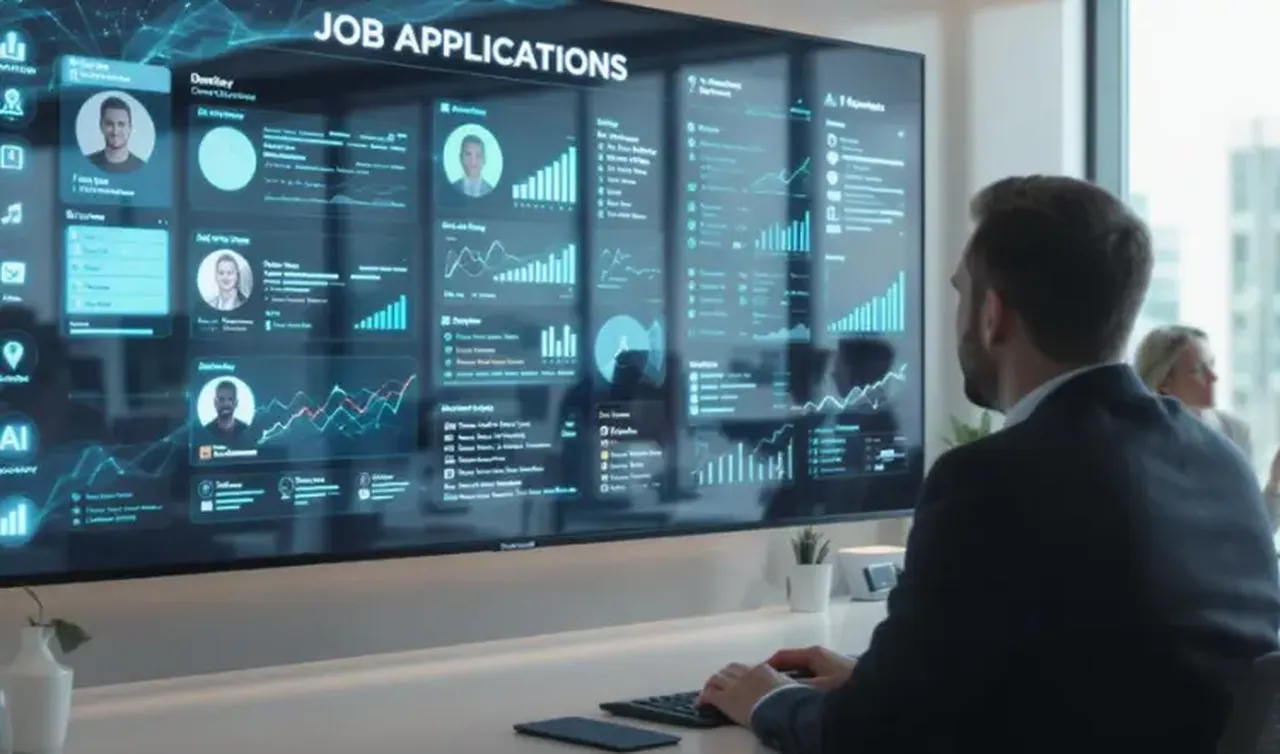
The hiring landscape is changing rapidly as artificial intelligence becomes more accessible to job seekers. From AI generated resumes to interview preparation tools and automated application assistants, candidates are increasingly using technology to enhance their chances of securing employment. As a result, HR professionals are entering a new era where traditional recruitment methods may no longer provide the same level of insight into a candidate’s genuine skills and potential.
At the same time, organizations are embracing digital transformation across their operations. Consequently, recruitment teams must learn how to evaluate applicants in an environment where technology plays a larger role than ever before. This shift presents both opportunities and challenges, making it essential for HR leaders to rethink how they identify and assess talent.
Why AI Candidates Are Becoming More Common
The growing popularity of artificial intelligence tools has made it easier for job seekers to create polished applications, optimize resumes, and prepare for interviews. Moreover, these technologies can help candidates present their experience more effectively and overcome common communication barriers.
As digital tools become more sophisticated, the number of AI candidates entering recruitment pipelines is expected to increase. Furthermore, younger professionals who are already comfortable with advanced technology are likely to integrate AI into their job search activities as a standard practice.
This development aligns with broader Talent acquisition trends that emphasize efficiency, personalization, and technology driven decision making. Therefore, HR teams must recognize that AI assisted applications are becoming a permanent feature of modern hiring rather than a temporary trend.
Rethinking Candidate Assessment Methods
Traditional screening processes often rely heavily on resumes and written responses. However, when applicants use AI tools to refine these materials, recruiters may struggle to distinguish between presentation skills and actual capabilities.
For this reason, organizations are increasingly adopting more practical assessment techniques. Interactive exercises, role specific simulations, and real world problem solving activities can provide deeper insight into a candidate’s abilities. In addition, structured interviews help create consistency and reduce the likelihood of being influenced by overly polished applications.
Meanwhile, HR teams should focus on evaluating critical thinking, adaptability, communication, and collaboration skills. These qualities remain difficult for technology to replicate fully and often reveal a candidate’s true potential.
Balancing Technology With Human Judgment
While technology can improve recruitment efficiency, human judgment remains a vital component of successful hiring. Recruiters bring context, emotional intelligence, and professional experience that automated systems cannot easily replace.
Therefore, organizations should combine data driven tools with thoughtful human evaluation. By doing so, they can gain a more complete understanding of each applicant while maintaining fairness throughout the hiring process.
This balanced approach reflects current HR trends and insights that encourage organizations to use technology as a support mechanism rather than a replacement for human decision making. As recruitment evolves, the most effective strategies will likely blend innovation with professional expertise.
Preparing Hiring Teams for the Future
The rise of AI candidates requires recruitment professionals to develop new skills and adapt existing practices. Hiring managers need a strong understanding of how artificial intelligence tools are influencing candidate behavior and application quality.
Additionally, training programs can help recruiters identify patterns associated with AI generated content while improving interview techniques that reveal authentic competencies. As a result, organizations can make more informed hiring decisions and reduce the risk of overlooking qualified individuals.
These efforts connect closely with Leadership development insights that highlight the importance of continuous learning in an increasingly technology driven workplace. Leaders who understand emerging recruitment challenges will be better equipped to guide their organizations through change.
Creating Fair and Inclusive Hiring Processes
As AI becomes more common in recruitment, fairness and transparency must remain top priorities. Candidates have varying levels of access to technology, which can create differences in application quality and presentation.
Consequently, organizations should establish clear guidelines regarding acceptable use of AI during the hiring process. Open communication helps build trust while ensuring that applicants understand expectations from the beginning.
Furthermore, recruiters should evaluate candidates based on demonstrated capabilities rather than solely on the sophistication of their application materials. This approach supports inclusive hiring practices and contributes to stronger workforce diversity.
At the same time, Employee engagement research consistently shows that fair recruitment experiences positively influence employer reputation and long term employee satisfaction. Therefore, maintaining transparency benefits both candidates and employers.
The Impact on Workforce Planning
The emergence of AI candidates is also influencing broader workforce strategies. Businesses are increasingly seeking employees who can work effectively alongside technology while maintaining strong interpersonal and analytical skills.
As hiring priorities evolve, organizations must reassess job requirements and future talent needs. Moreover, recruiters should identify individuals who demonstrate adaptability and a willingness to learn as workplace expectations continue to change.
This trend aligns with ongoing Future of work research, which suggests that technological literacy will become increasingly valuable across industries. Nevertheless, uniquely human capabilities such as creativity, empathy, and strategic thinking will remain essential for long term success.
Practical Insights for HR Professionals
To thrive in a recruitment environment shaped by AI candidates, HR teams should focus on strengthening assessment methods, improving recruiter training, and maintaining a balance between technology and human expertise. Equally important is the need to create transparent hiring processes that encourage fairness while supporting innovation.
Additionally, organizations should regularly review recruitment strategies, monitor emerging technologies, and stay informed about changing candidate behaviors. By remaining proactive rather than reactive, HR professionals can build more resilient hiring frameworks that support both business objectives and workforce development.
Stay ahead of changing recruitment trends with expert guidance and practical workforce strategies from HRInfoPro.