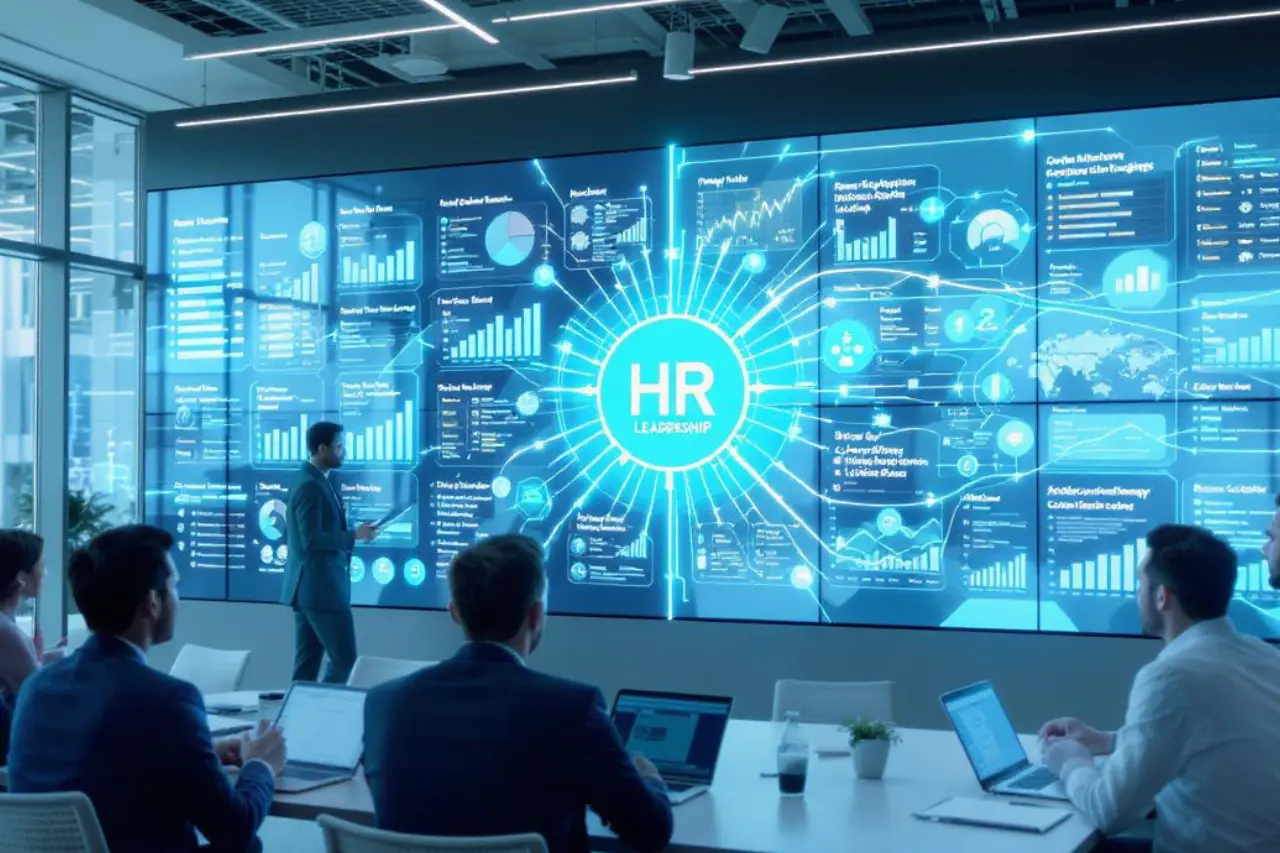
Organizations today collect more workforce data than ever before. Every survey, performance review, hiring report, and employee feedback session creates valuable information. However, many businesses still struggle to transform that information into meaningful workplace improvements. This challenge is known as Closing the HR Insight to Action Gap, and it has become one of the most important priorities for modern HR teams.
As workplaces continue to evolve, HR professionals need more than reports and statistics. They need practical ways to convert insights into decisions that improve employee experiences, strengthen leadership, and support long term business growth. Therefore, organizations that focus on Closing the HR Insight to Action Gap are better positioned to create agile, people focused workplaces.
Understanding the HR Insight to Action Gap
The HR insight to action gap appears when organizations gather valuable workforce information but fail to use it effectively. Employee surveys may reveal declining morale, hiring reports may highlight recruitment delays, and performance reviews may uncover leadership challenges. Yet without timely action, these insights remain unused.
Moreover, many companies invest heavily in analytics tools while overlooking the importance of decision making processes. Data alone cannot improve workplace culture. Instead, organizations must connect insights with clear responsibilities, measurable objectives, and continuous follow through.
Consequently, Closing the HR Insight to Action Gap requires a culture where information drives everyday decisions rather than remaining inside reports.
Why HR Teams Often Struggle to Take Action
Several factors contribute to this growing challenge. First, organizations frequently collect more information than they can realistically analyze. As a result, HR departments become overwhelmed by large volumes of data without clear priorities.
Furthermore, communication gaps between HR leaders and business executives often delay important decisions. While HR may recognize workforce challenges, leadership teams sometimes lack confidence in interpreting the data.
Another common issue involves limited accountability. When no individual or department owns the responsibility for implementing improvements, valuable recommendations remain unfinished. Therefore, Closing the HR Insight to Action Gap depends on assigning ownership and creating realistic action plans.
Building a Culture That Turns Insights Into Results
Creating meaningful change starts with developing a workplace culture that values continuous improvement. Rather than treating employee feedback as a yearly activity, organizations should make listening and responding an ongoing process.
Regular discussions between managers and employees encourage transparency and strengthen trust. At the same time, leadership teams should openly communicate how workforce insights influence company decisions. This approach increases confidence while motivating employees to continue sharing honest feedback.
Additionally, organizations should integrate HR trends and insights into strategic planning instead of reviewing them only during annual meetings. This consistent approach helps teams identify emerging challenges before they become major problems.
The Role of Workplace Management Strategies
Effective Workplace management strategies provide the structure needed to convert insights into measurable outcomes. Instead of reacting only after problems arise, proactive organizations establish regular review cycles that evaluate workforce performance, employee satisfaction, and operational efficiency.
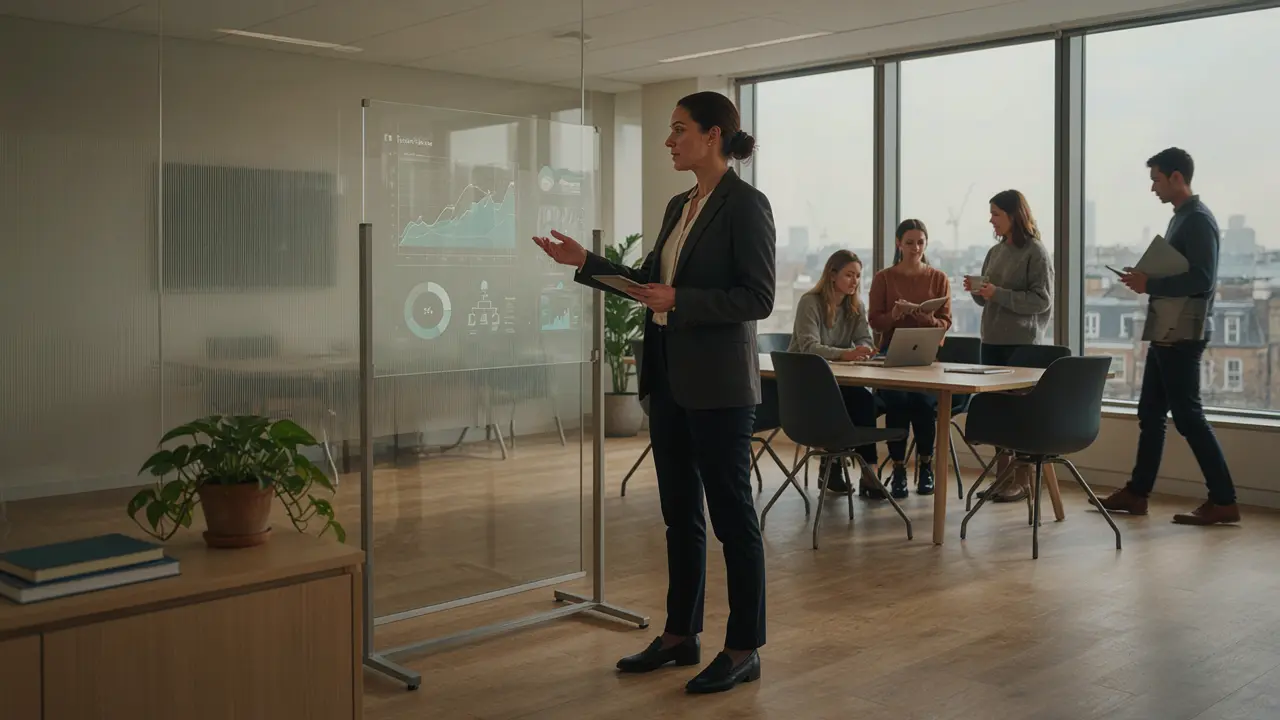
Managers also play a critical role in Closing the HR Insight to Action Gap. They interact directly with employees and can quickly identify whether implemented changes are producing positive results.
Furthermore, successful organizations encourage collaboration across departments. HR, operations, finance, and executive leadership should review workforce insights together so every decision supports broader organizational goals.
Using Employee Engagement Research to Drive Improvement
Employee feedback becomes valuable only when organizations respond thoughtfully. Employee engagement research provides essential information about motivation, communication, workplace culture, and employee wellbeing.
For example, if engagement surveys reveal concerns about career growth, HR leaders should introduce mentoring opportunities, learning programs, or internal promotion pathways. Likewise, when employees express concerns about workload or communication, managers should adjust processes accordingly.
Importantly, employees notice when organizations take visible action. This responsiveness increases trust, encourages future participation, and strengthens overall engagement.
Connecting Talent Acquisition Trends With Business Goals
Recruitment data offers valuable opportunities for organizational improvement. By monitoring Talent acquisition trends, HR professionals can identify hiring delays, candidate expectations, and skills shortages before they significantly affect business performance.
Additionally, recruitment insights help organizations refine employer branding, improve interview processes, and enhance onboarding experiences. As hiring markets continue changing, companies that quickly apply recruitment insights remain competitive.
Therefore, Closing the HR Insight to Action Gap extends beyond current employees. It also influences how organizations attract and retain future talent.
Leadership Development Creates Sustainable Change
Managers often determine whether workplace improvements succeed or fail. Strong Leadership development insights enable organizations to prepare leaders who communicate effectively, support employee growth, and confidently manage change.
Leadership training should focus on interpreting workforce data alongside developing emotional intelligence and coaching skills. When managers understand both people and performance metrics, they make more informed decisions.
As a result, organizations experience stronger collaboration, increased accountability, and improved employee satisfaction.
Preparing for the Future of Work
The workplace continues evolving through technology, hybrid work models, and changing employee expectations. Consequently, Future of work research has become increasingly valuable for organizations seeking long term success.
Rather than waiting for workforce disruptions, forward thinking companies continuously evaluate trends affecting flexibility, digital collaboration, learning, and employee wellbeing. This proactive mindset allows HR teams to adapt quickly while maintaining strong organizational performance.
Closing the HR Insight to Action Gap becomes even more important as workplace changes accelerate. Organizations that transform research into practical workplace improvements will remain more resilient during future transitions.
Practical Knowledge for HR Leaders
Closing the HR Insight to Action Gap requires consistent action rather than perfect data. Organizations achieve better results when they focus on a few meaningful workforce priorities instead of tracking countless metrics. Regular communication, shared accountability, leadership commitment, and continuous evaluation create an environment where insights naturally become improvements.
Equally important, every workforce initiative should include measurable outcomes. When HR teams monitor progress, gather updated feedback, and refine strategies over time, workplace improvements become sustainable rather than temporary. This ongoing cycle strengthens organizational performance while creating a more engaged and productive workforce. Ready to transform workforce insights into meaningful business results with confidence and clarity? Connect with HRInfoPro for expert resources, practical guidance, and the latest HR knowledge designed to support smarter workplace decisions every step of the way.