Performance management is changing rapidly as organizations rethink how employees receive feedback, set goals, and develop their careers. Traditional annual reviews are increasingly being replaced by more continuous and meaningful conversations between employees and managers.
For HR leaders, modern performance management strategies offer a way to connect individual contributions with broader organizational objectives. Instead of treating performance reviews as an administrative requirement, businesses can use them to strengthen communication, recognize achievements, and identify development opportunities.
This shift reflects wider HR trends and insights, where employee experience and organizational agility are becoming central priorities.
Moving From Annual Reviews to Continuous Feedback
One of the most important changes in performance management is the move toward regular feedback. Waiting an entire year to discuss performance can make it difficult for employees to understand what they are doing well and where they need improvement.
Modern performance management strategies encourage managers to hold shorter and more frequent conversations. These discussions can address current priorities, challenges, achievements, and development needs while they are still relevant.
As a result, employees gain clearer expectations and managers have more opportunities to provide useful guidance. Over time, this approach can create a culture where feedback becomes a normal part of everyday work.
Connecting Goals With Business Priorities
Effective performance management should help employees understand how their work contributes to organizational success. Clear goals give employees direction while helping managers evaluate progress more consistently.
However, goals should not become rigid targets that discourage adaptability. Business priorities can change because of market conditions, customer expectations, technology, or internal restructuring. Therefore, modern performance management strategies should allow goals to be reviewed and adjusted when circumstances change.
This flexibility can help organizations remain responsive while keeping employees focused on meaningful outcomes.
Using Technology to Improve Performance Management
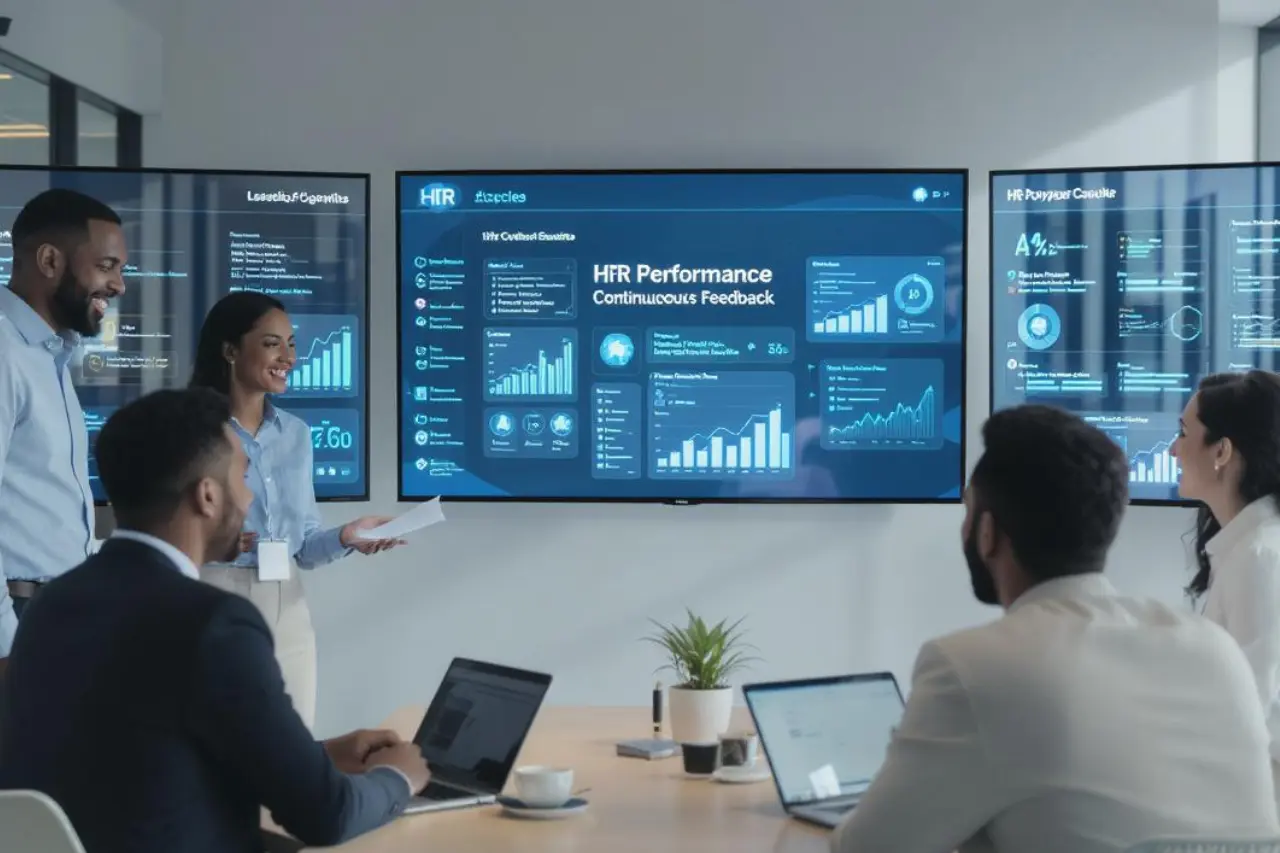
Technology is playing a growing role in workplace management strategies. Digital performance platforms can help HR teams organize goals, document feedback, monitor progress, and identify patterns across teams.
Data can also help managers make better decisions. For instance, organizations may identify teams that need additional support or recognize areas where employees are consistently achieving strong results.
Nevertheless, technology should support human conversations rather than replace them. Performance data provides useful context, but managers still need empathy, judgment, and direct communication to understand individual circumstances.
Strengthening Employee Engagement
Performance management and employee engagement are closely connected. Employees are more likely to feel valued when managers recognize meaningful contributions and provide opportunities to develop new skills.
Employee engagement research increasingly emphasizes the importance of purpose, recognition, growth, and strong relationships at work. Consequently, performance conversations should include more than discussions about weaknesses or missed targets.
Managers can use these conversations to understand employee aspirations, discuss career interests, and explore ways individuals can contribute more effectively. This creates a stronger connection between performance and employee experience.
Supporting Leadership Development
Strong performance management also creates opportunities to develop future leaders. Managers can use regular performance conversations to identify employees who demonstrate initiative, collaboration, problem solving, and the ability to influence others.
Leadership development insights can then be incorporated into individual development plans. Employees may benefit from mentoring, training, stretch assignments, or opportunities to lead projects.
Furthermore, organizations can use performance information to understand whether leadership capabilities are developing across different departments. This can strengthen succession planning and create a more sustainable leadership pipeline.
Linking Performance With Talent Strategies
Performance management should work closely with broader talent strategies. When organizations understand employee strengths and development needs, they can make better decisions about internal mobility, training, succession planning, and workforce development.
This is particularly relevant as talent acquisition trends continue to evolve. Hiring external talent remains important, but organizations are also recognizing the value of developing and retaining existing employees.
A strong performance culture can therefore become a competitive advantage. Employees who see meaningful opportunities for growth may be more motivated to build their careers within the organization.
Preparing for the Future of Work
The workplace is becoming more flexible, digital, and skills focused. Remote and hybrid teams require performance management approaches that emphasize outcomes rather than physical visibility.
Future of work research suggests that organizations will increasingly need adaptable skills, continuous learning, and effective collaboration. Modern performance management strategies can support these requirements by making development an ongoing process.
Managers should focus on what employees accomplish, how effectively they collaborate, and what capabilities they need for future responsibilities. This approach can make performance management more relevant in rapidly changing workplaces.
Building a Fairer Performance Culture
Fairness is another essential part of modern performance management. Employees need to understand how performance is evaluated and what success looks like within their roles.
Consistent expectations can reduce confusion and help managers make more balanced decisions. At the same time, HR teams should regularly review performance processes for potential bias and ensure employees have opportunities to discuss their perspectives.
Transparency can strengthen trust, particularly when performance outcomes influence promotions, compensation, or career opportunities.
Actionable Insights for HR Leaders
HR leaders should begin by reviewing whether their current performance process genuinely helps employees improve. If reviews mainly focus on paperwork and ratings, it may be time to redesign the experience around regular feedback, meaningful goals, development, and recognition.
The most effective modern performance management strategies are flexible enough to support different roles while maintaining consistent organizational standards. By combining useful technology with strong manager communication, HR teams can create a performance culture that supports both employee growth and business results. For more HR trends and insights, connect with HRInfoPro for practical perspectives on modern workforce management.