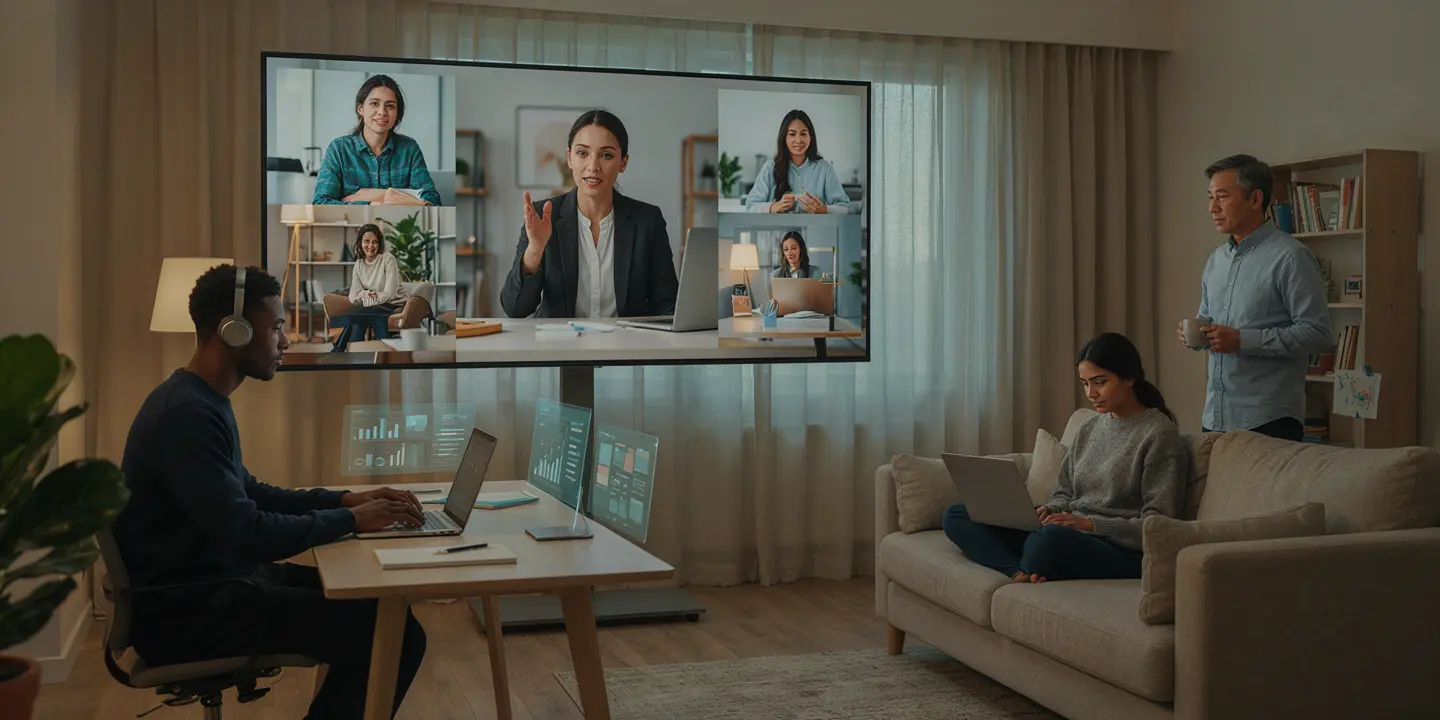
Remote work has become an important part of modern workforce management. As organizations continue to support flexible working arrangements, managers are adapting their approach to communication, collaboration, performance and employee wellbeing.
Managing employees in a remote work environment requires more than simply providing employees with access to digital tools. Instead, organizations need clear expectations, effective communication and a culture built around trust and accountability. Furthermore, managers must understand how remote employees experience their working environment and what support they need to perform effectively.
Building Trust Across Remote Teams
Trust is one of the most important foundations of successful remote work. When employees are working away from a traditional office, managers cannot rely on physical presence to understand how work is progressing.
Instead, managers should focus on outcomes, responsibilities and measurable objectives. Regular communication can provide visibility without creating unnecessary pressure. Moreover, giving employees appropriate autonomy can encourage ownership and demonstrate confidence in their abilities.
This approach is becoming increasingly relevant as HR trends and insights continue to highlight the importance of flexibility, employee experience and supportive workplace cultures.
Creating Clear Communication Practices
Communication can become challenging when employees work from different locations and schedules. Consequently, organizations should establish clear expectations regarding meetings, messages, project updates and response times.
However, excessive communication can be just as problematic as insufficient communication. Employees may become overwhelmed when every task requires a meeting or constant digital interaction.
Therefore, managers should select communication methods according to the purpose of each interaction. Written communication can work well for routine updates, while video meetings may be more appropriate for collaboration, problem solving and sensitive discussions.
Supporting Employee Engagement
Remote employees need opportunities to remain connected with colleagues and the wider organization. Without regular interaction, employees may gradually feel disconnected from their teams.
Employee engagement should therefore be treated as an ongoing management responsibility rather than an occasional initiative. Managers can create opportunities for collaboration, recognition and informal interaction while ensuring that these activities remain meaningful.
In addition, Employee engagement research can help organizations understand changing employee expectations and identify factors that influence motivation, satisfaction and retention.
Performance management can look different in a remote environment. Rather than focusing on when employees are online, managers should concentrate on the quality, progress and outcomes of their work.
Clear objectives are particularly important because employees need to understand what successful performance looks like. Regular one to one conversations can then provide opportunities to discuss progress, challenges and development.
Furthermore, managers should provide constructive feedback throughout the year instead of waiting for formal performance reviews. This creates a more continuous approach to development and accountability.
Strengthening Remote Leadership
Remote teams require managers who can communicate clearly, demonstrate empathy and make informed decisions. Leadership becomes especially important when employees cannot easily approach a manager in person.
Strong leaders create clarity while remaining approachable. They also recognize that employees may have different working styles, responsibilities and communication preferences.
Consequently, Leadership development insights can help organizations prepare managers for the demands of distributed teams. Training in communication, coaching and conflict management can make remote leadership more effective.
Using Technology Without Losing the Human Connection
Technology makes remote work possible, but digital tools alone cannot create an effective remote workplace. Organizations need reliable platforms for communication, project management, collaboration and information sharing.
At the same time, managers should avoid allowing technology to replace genuine human interaction. A video call may solve a practical communication requirement, but meaningful relationships often require more thoughtful engagement.
Therefore, organizations should use technology to support people rather than allowing technology to dictate how people work.
Developing Strong Workplace Management Strategies
Successful remote organizations establish practical Workplace management strategies that balance business requirements with employee needs. These strategies may include flexible schedules, clear availability expectations, structured team communication and consistent performance standards.
Moreover, managers should regularly review whether existing practices are still effective. What works for a small remote team may not work for a growing organization with employees across different regions.
As a result, flexibility should apply not only to employees but also to the way organizations manage their workforce.
Improving Talent Acquisition and Retention
Remote work has also changed how organizations attract and retain talent. Companies can potentially access candidates from wider geographic areas when physical office attendance is not required.
At the same time, employees increasingly evaluate organizations based on flexibility, career development, workplace culture and management quality. Therefore, Talent acquisition trends are closely connected to the ability of organizations to offer an attractive and sustainable employee experience.
Organizations that clearly communicate their remote work expectations during recruitment can also reduce misunderstandings after employees join.
Preparing for the Future of Work
Remote work is likely to remain an important element of workforce planning. However, organizations should avoid treating remote work as a fixed model. Employee expectations, technology and business requirements will continue to evolve.
For this reason, Future of work research can provide useful perspectives on changing workplace structures, employee expectations and emerging management practices.
Ultimately, organizations that remain willing to listen, measure results and adapt their approach will be better positioned to manage changing workforce needs.
Actionable Insights for HR Leaders
Effective remote workforce management begins with clarity. Organizations should establish realistic expectations, communicate consistently and measure performance through meaningful outcomes. At the same time, managers should create opportunities for connection, recognition and professional development.
Most importantly, remote employees should feel trusted, supported and included. Regular feedback can reveal where management practices need improvement, while employee data can help HR teams make more informed decisions.
HR leaders should also review remote work policies regularly and ensure that managers receive the training needed to lead distributed teams successfully.
Connect With HRInfoPro
HRInfoPro provides practical perspectives on workforce management, employee experience and evolving workplace practices to help organizations respond to changing workforce needs.
Reach out to HRInfoPro for valuable HR perspectives and insights that can support stronger people management and workplace decisions.