The world of work is evolving rapidly, and French organizations are rethinking how they attract, develop, and retain employees. In 2026, talent management trends in France reflect a growing focus on digital transformation, workforce flexibility, employee wellbeing, and skills development. Businesses increasingly recognize that long term success depends not only on hiring qualified professionals but also on helping existing employees grow.
At the same time, changing employee expectations and advances in artificial intelligence are influencing human resources decisions. Consequently, companies are adopting more strategic approaches to talent management that connect employee development with broader business objectives.
Artificial Intelligence Is Reshaping Talent Acquisition
Artificial intelligence is becoming an important part of recruitment and workforce planning. French employers are exploring AI powered tools to screen applications, identify relevant skills, automate administrative tasks, and improve communication with candidates. These capabilities can help recruitment teams work more efficiently while allowing HR professionals to focus on meaningful candidate interactions.
However, responsible implementation remains essential. Employers must consider fairness, transparency, data protection, and human oversight when using automated recruitment systems. AI should support informed decisions rather than replace professional judgment.
These developments are influencing talent acquisition trends across France. Companies that combine modern recruitment technology with clear selection criteria can improve hiring processes while creating a more consistent candidate experience.
Skills Development and Internal Mobility Gain Importance
As technology changes job requirements, French businesses are placing greater emphasis on continuous learning. Employees increasingly need opportunities to strengthen digital capabilities, develop communication skills, and adapt to changing responsibilities.
Rather than relying exclusively on external recruitment, organizations can benefit from identifying existing employee capabilities and supporting internal mobility. Skills assessments, personalized training, mentoring, and career development programs help workers prepare for new opportunities within their current organizations.
Moreover, this approach can reduce recruitment pressure and preserve valuable institutional knowledge. Employers that connect learning initiatives with real business needs are better positioned to respond to changing market conditions.
Employee Engagement and Retention Become Strategic Priorities
Recruiting talented professionals is only one part of successful workforce management. Retaining them requires an environment where people feel valued, supported, and able to progress in their careers.
Employee engagement research highlights the importance of meaningful work, effective leadership, recognition, and opportunities for development. French employers can use employee feedback, regular performance conversations, and workplace surveys to understand what influences satisfaction and retention within their teams.
In addition, flexible working arrangements remain relevant for organizations seeking to balance productivity with employee expectations. Although remote and hybrid work policies vary by role and employer, transparent communication and fair treatment can strengthen workplace relationships.
Therefore, effective workplace management strategies should address both business performance and the everyday employee experience.
Leadership Development Supports Long Term Growth
Strong leadership plays a central role in attracting and retaining talent. In 2026, organizations need managers who can guide teams through technological change, communicate clearly, and support employees with different professional backgrounds and ambitions.
Leadership development insights suggest that organizations benefit from practical coaching, mentoring, collaborative problem solving, and structured development opportunities. Preparing future leaders internally can also support succession planning and reduce disruption when senior employees leave or change roles.
Furthermore, managers need to understand how their behavior affects team motivation. Regular feedback, clear expectations, and recognition can help create a culture where employees feel comfortable sharing ideas and taking responsibility.
Workforce Planning Adapts to Changing Business Needs
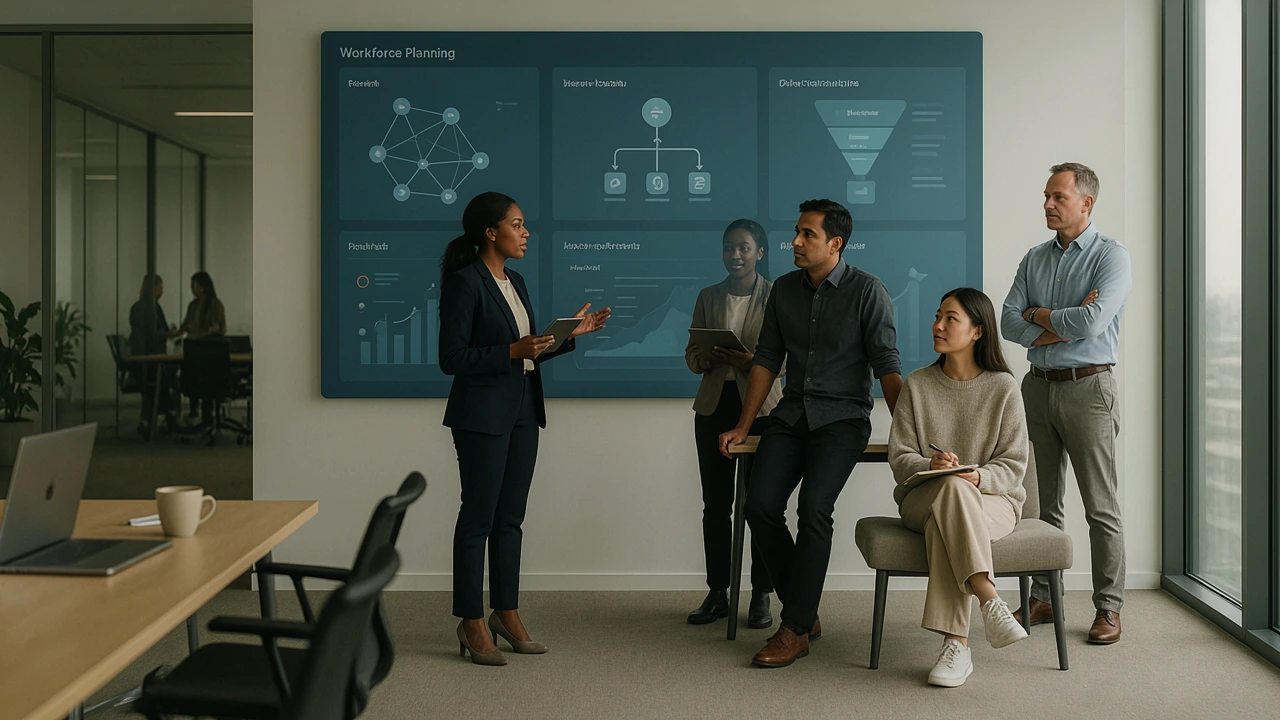
Economic uncertainty, demographic changes, and evolving skill requirements make workforce planning increasingly important. French companies need a clearer understanding of which capabilities they have today and which they may need in the future.
Consequently, HR teams are using workforce data to identify skills gaps, anticipate recruitment needs, and evaluate employee development priorities. Collaboration between HR leaders and business managers can help organizations prepare for expansion, restructuring, and digital transformation.
Future of work research also encourages employers to examine how automation, changing job design, and new working practices may influence their workforce. Instead of reacting only when vacancies arise, businesses can develop plans that connect recruitment, training, and internal mobility.
Diversity and Inclusion Strengthen Talent Strategies
Inclusive workplaces can help employers access a broader range of skills and perspectives. French organizations can strengthen their talent strategies by reviewing recruitment criteria, improving accessibility, and ensuring that development opportunities are available fairly across teams.
In addition, transparent promotion processes and consistent performance evaluations can help reduce the influence of unconscious bias. Managers should also consider whether workplace policies support employees at different career stages.
When inclusion becomes part of everyday management rather than a separate initiative, organizations can build stronger teams and improve their ability to attract qualified candidates.
HR Technology Enables Better Decision Making
Digital HR platforms are changing how organizations manage employee information, performance, training, and recruitment. By bringing relevant data together, these systems can help HR teams identify workforce patterns and make more informed decisions.
For example, organizations can examine employee turnover, training participation, hiring timelines, and internal promotion rates to assess the effectiveness of their talent strategies. Nevertheless, data should be interpreted carefully and handled in accordance with applicable privacy requirements.
Combining technology with human judgment allows HR professionals to turn HR trends and insights into practical improvements rather than relying on assumptions alone.
Practical Insights for French Employers
To respond effectively to talent management trends in France for 2026, businesses should begin by reviewing their most pressing workforce challenges. Recruitment difficulties may require better candidate experiences, while retention concerns may call for stronger management practices or clearer career pathways.
Next, employers should identify the skills their organizations will need over the coming years and create learning opportunities that address those requirements. They should also measure employee engagement, review leadership capabilities, and evaluate whether HR technology is producing meaningful results.
Most importantly, talent management should remain an ongoing business priority. Organizations that combine responsible technology, continuous learning, inclusive leadership, and thoughtful workforce planning can build a more adaptable and resilient workforce.
Turning Talent Insights Into Workplace Progress
The future of talent management in France will depend on how effectively organizations connect employee potential with business growth. By acting on reliable workforce data and investing in people, employers can create stronger teams and prepare for changing workplace demands.
Connect with HRInfoPro to explore practical HR strategies, emerging workforce trends, and fresh perspectives on talent management.
Reach out to HRInfoPro for insights that help your organization develop talent, strengthen engagement, and prepare for the future of work.