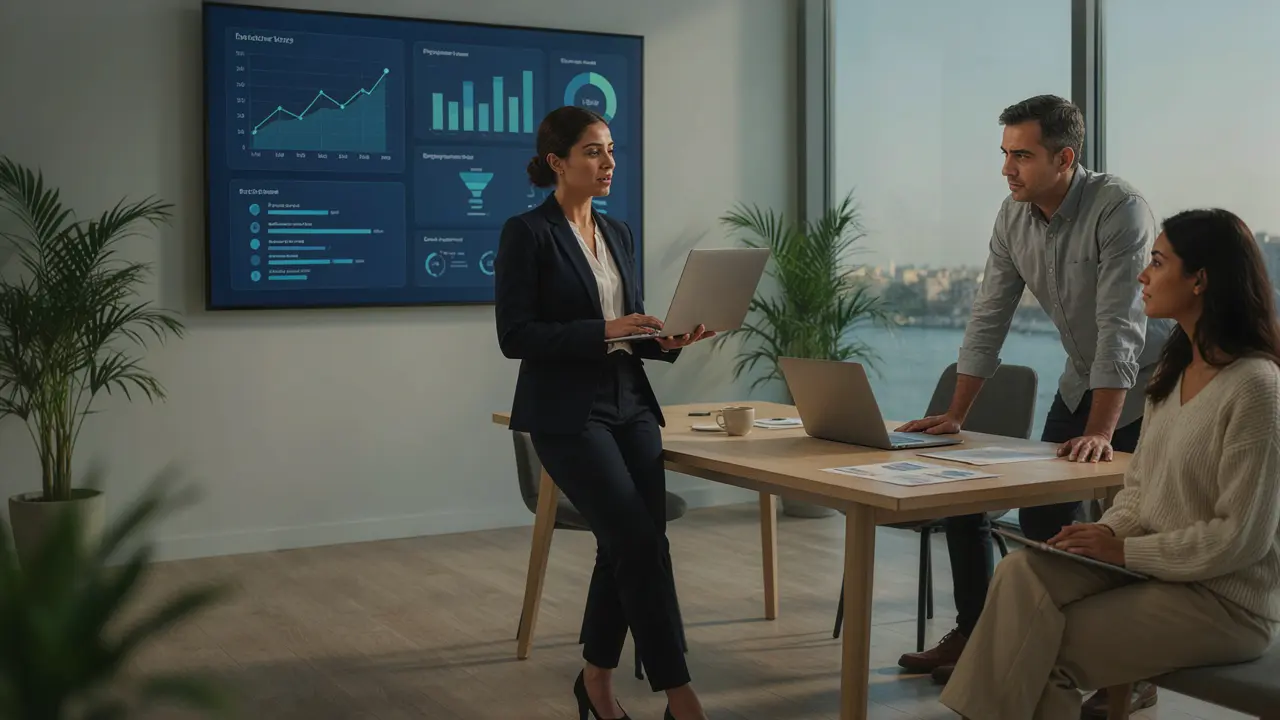
Human resources is entering a new phase as artificial intelligence and people analytics reshape how organizations attract, develop and retain talent. Across the Gulf Cooperation Council region, businesses are increasingly looking beyond traditional HR administration to make workforce decisions that support long term growth.
Procapita Group has highlighted this transformation through its insights into AI adoption and data driven human capital management. The growing focus reflects a broader shift in which HR leaders use technology, workforce data and strategic planning to respond to changing business needs. As a result, HR is becoming an important contributor to organizational performance rather than functioning solely as a support department.
Artificial intelligence is changing several stages of the employee lifecycle. From recruitment screening to workforce planning, AI powered tools can help HR teams process information more efficiently and identify patterns that might otherwise remain difficult to detect.
For example, automated recruitment systems can help screen applications against role requirements, while intelligent platforms can support candidate matching and interview scheduling. Consequently, recruiters can devote more time to evaluating experience, communication skills and cultural alignment.
However, technology alone cannot guarantee better hiring outcomes. Organizations must establish clear evaluation criteria, monitor potential algorithmic bias and ensure that important employment decisions receive appropriate human oversight.
These developments are central to current HR trends and insights, particularly as businesses seek to combine operational efficiency with fair and effective people management.
People Analytics Enables Better Workforce Decisions
People analytics involves using workforce data to understand employee behaviour, evaluate HR performance and improve business decisions. Instead of relying exclusively on intuition, HR leaders can examine recruitment patterns, employee turnover, skills gaps, engagement results and internal mobility.
For instance, turnover analysis can help identify departments experiencing persistent retention challenges. Similarly, workforce planning data can reveal where critical skills may become difficult to find, allowing employers to invest in training before shortages affect operations.
Procapita Group’s focus on people analytics reflects the growing importance of connecting workforce information with organizational priorities. When data is accurate and interpreted carefully, leaders can make more informed decisions about talent allocation, employee development and future staffing requirements.
Nevertheless, analytics must be supported by reliable information and responsible data governance. Employee privacy, transparency and appropriate access controls remain essential to building trust.
Improving Recruitment and Talent Development
Talent acquisition is becoming increasingly strategic as employers compete for professionals with specialised skills. AI can support candidate sourcing, application screening and recruitment forecasting, helping organizations identify suitable applicants more efficiently.
These capabilities also influence talent acquisition trends across the GCC, where businesses are balancing commercial growth with changing labour market requirements and national workforce development priorities.
Beyond recruitment, people analytics can help employers identify employees who may benefit from additional training or leadership opportunities. By comparing current capabilities with future business requirements, organizations can design development programmes that address genuine skills gaps.
Furthermore, data informed succession planning can help companies identify potential future leaders and prepare employees for greater responsibility. This approach supports continuity while creating clearer career pathways.
Employee Engagement and Workplace Management
Employee engagement remains an important factor in productivity, retention and organizational culture. AI enabled analytics can help HR teams examine survey responses, feedback patterns, absenteeism and other workforce indicators to identify potential concerns.
For example, a department experiencing increased turnover alongside declining engagement scores may require closer attention from managers. Early identification allows organizations to investigate the underlying causes and develop appropriate responses.
Effective workplace management strategies should combine these insights with direct conversations, employee feedback and supportive leadership. Data can indicate where a problem may exist, but it cannot always explain the personal or organizational circumstances behind it.
Moreover, employee engagement research can help organizations assess whether flexible working arrangements, recognition programmes and professional development initiatives are meeting employee expectations.
Preparing Leaders for the Future of Work
The growing use of AI is changing not only HR processes but also the capabilities expected from managers and executives. Leaders increasingly need to understand workforce data, communicate organizational changes and guide employees through new ways of working.
Leadership development insights can help organizations identify the skills required to manage digital transformation, encourage collaboration and build adaptable teams.
At the same time, HR professionals must develop stronger analytical and technological capabilities. Understanding how AI tools operate, interpreting dashboards and communicating insights to senior management will become increasingly valuable.
Future of work research also points to the importance of continuous learning. As job responsibilities evolve, organizations that support reskilling and internal mobility may be better prepared to respond to emerging business needs.
Balancing Innovation With Human Judgment
Although AI and analytics offer substantial opportunities, their implementation requires careful planning. Poor quality data can produce misleading insights, while insufficient transparency may weaken employee confidence.
Organizations should therefore define clear objectives before introducing new HR technology. They should also establish safeguards for sensitive employee information and regularly evaluate whether automated systems produce fair outcomes.
In addition, HR teams should communicate how employee data is collected and used. When workers understand the purpose of these tools and have opportunities to raise concerns, organizations can build a stronger foundation for responsible adoption.
The most effective approach is to use technology to support human judgment rather than replace it. Empathy, professional experience and contextual understanding remain essential to managing people successfully.
Valuable Insights for HR Leaders
Organizations looking to benefit from AI and people analytics should begin by identifying a specific workforce challenge, such as lengthy recruitment cycles, high employee turnover or limited visibility into skills gaps. Establishing a measurable baseline makes it easier to evaluate progress after implementation.
Next, HR leaders should review data quality, protect employee privacy and involve managers in interpreting the findings. Pilot projects can provide practical evidence of value before a system is introduced across the organization.
Finally, businesses should connect analytical insights with concrete action. Better dashboards are useful, but their real value comes from improved hiring decisions, stronger employee development and more effective workforce planning.
As Procapita Group’s perspective on AI and people analytics illustrates, the future of HR depends on combining technological capability with thoughtful leadership and a people centred strategy. Connect with HRInfoPro for more insights into AI driven HR transformation, talent management and workforce strategy. Reach out to HRInfoPro to explore practical approaches that can help your organization build an adaptable, engaged and future ready workforce.