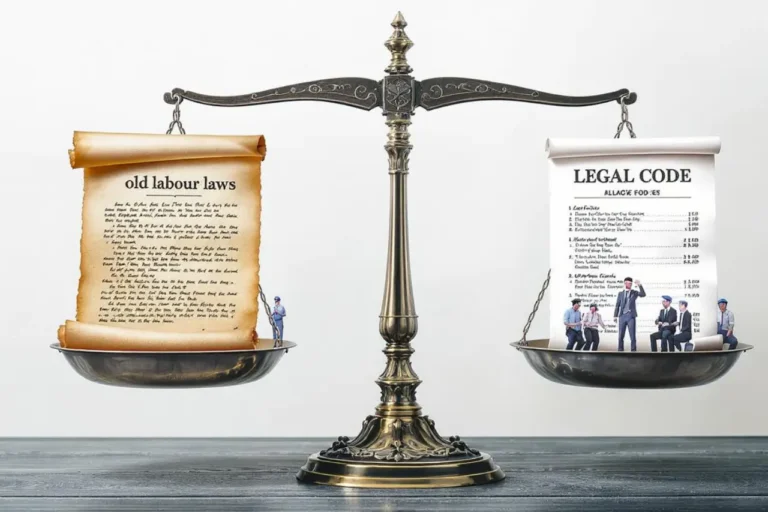
Organisations today operate in an environment where social expectations, political conversations, and corporate values often intersect. In this context many companies find themselves walking a corporate tightrope balancing politics and business principles while trying to maintain credibility with employees, customers, and stakeholders.
Business leaders increasingly recognise that silence on certain social or political issues can attract criticism, yet strong public positions may also divide audiences. As a result organisations must approach sensitive topics carefully while still remaining committed to their core values. Consequently the corporate tightrope balancing politics and business principles has become a defining leadership challenge for modern companies.
At the same time HR leaders play an essential role in guiding these conversations internally. Through thoughtful workplace management strategies and transparent communication, organisations can maintain trust even when navigating complex public debates.
Why Corporate Values Are Under Greater Scrutiny
Public expectations of companies have changed significantly over the past decade. Employees and consumers now expect organisations to demonstrate integrity, fairness, and accountability. Therefore the corporate tightrope balancing politics and business principles becomes more visible whenever companies respond to social or political issues.
Furthermore the rise of digital platforms has amplified public reactions to corporate decisions. A statement from a company leader can travel across the world within minutes and spark widespread discussion. Because of this visibility, organisations must consider how their messaging aligns with both corporate values and stakeholder expectations.
In addition HR trends and insights reveal that employees increasingly evaluate employers based on ethical leadership and social responsibility. This means companies must ensure that their public stance reflects the culture they promote internally.
The Role of Leadership in Navigating Sensitive Issues
Leadership teams play a crucial role in managing the corporate tightrope balancing politics and business principles. Strong leaders recognise that their decisions influence not only public perception but also internal morale and organisational culture.
For example when executives communicate thoughtfully and explain the reasoning behind their decisions, employees are more likely to feel respected and informed. Leadership development insights suggest that effective leaders balance empathy with strategic thinking when addressing controversial topics.
Moreover leaders must remain consistent in their messaging. If a company promotes diversity and inclusion internally but avoids discussing related societal challenges externally, employees may question the authenticity of its values. Therefore clear alignment between words and actions is essential.
The Influence of Workplace Culture and Employee Expectations
Employees today want to work for organisations that reflect their personal values. As a result the corporate tightrope balancing politics and business principles directly affects workplace culture and employee engagement.
Employee engagement research shows that workers are more motivated when they believe their organisation acts responsibly and ethically. However engagement can decline if employees feel that corporate messaging lacks authenticity or transparency.
Consequently HR professionals must help leadership teams navigate these expectations. Open dialogue, inclusive communication, and consistent workplace policies help ensure that employees feel heard even when opinions differ.
Additionally workplace management strategies often include forums for respectful discussion where employees can share perspectives while maintaining professional conduct. Such initiatives strengthen organisational trust and support a healthy work environment.
Impact on Talent Attraction and Employer Reputation
Another important factor in the corporate tightrope balancing politics and business principles is talent attraction. Skilled professionals increasingly consider corporate values when choosing employers.
Talent acquisition trends indicate that candidates frequently research a company’s stance on social responsibility and ethical leadership before accepting job offers. Organisations that communicate their principles clearly often attract professionals who share similar values.
At the same time companies must remain mindful that taking strong positions on certain issues can influence how potential candidates perceive the organisation. Therefore HR teams must ensure that corporate messaging reflects both authenticity and respect for diverse perspectives.
When companies approach these matters thoughtfully they strengthen employer branding and build long term trust with future employees.
Strategic Communication During Public Debates
Effective communication is essential when navigating the corporate tightrope balancing politics and business principles. Companies must respond thoughtfully to public debates while ensuring that their messaging remains consistent with internal values.
Communication strategies often focus on clarity and empathy. Instead of reacting impulsively to trending topics, successful organisations evaluate how each issue relates to their mission and organisational purpose.
Leadership development insights suggest that companies benefit from establishing clear guidelines for public communication. These frameworks help leaders respond confidently while maintaining alignment with organisational values.
Furthermore companies that rely on future of work research often recognise that transparency and open dialogue will become even more important as workplaces continue to evolve.
The Evolving Workplace in a Connected World
Globalisation and digital communication have transformed the modern workplace. Employees from diverse cultural backgrounds collaborate across different regions and perspectives. This diversity enriches organisations but also requires careful leadership.
The corporate tightrope balancing politics and business principles becomes particularly visible in multinational organisations where social issues may be viewed differently across regions. Therefore companies must balance global consistency with cultural sensitivity.
Future of work research highlights that organisations capable of managing these complexities will build stronger and more resilient teams. By encouraging respectful conversation and inclusive leadership, companies create environments where differing viewpoints can coexist productively.
Practical Insights for Leaders and HR Professionals
Leaders who navigate the corporate tightrope balancing politics and business principles successfully tend to focus on clarity, empathy, and long term consistency. Rather than reacting to every public debate, they evaluate which issues align with organisational values and purpose.
Equally important is creating an internal culture that supports open dialogue. When employees understand the reasoning behind leadership decisions they are more likely to trust organisational intentions. Integrating HR trends and insights with workplace management strategies allows organisations to maintain both operational stability and employee confidence.
Employee engagement research also suggests that transparency strengthens organisational credibility. Companies that communicate honestly about their values and challenges build stronger relationships with both employees and stakeholders.
Finally organisations that pay attention to talent acquisition trends and leadership development insights position themselves for long term success. By combining ethical leadership with thoughtful communication they can maintain credibility while navigating complex social landscapes.
HRInfoPro provides expert perspectives on workplace leadership, talent strategy, and organisational culture. Connect with HRInfoPro to discover practical insights that help leaders guide teams with confidence in a changing world.