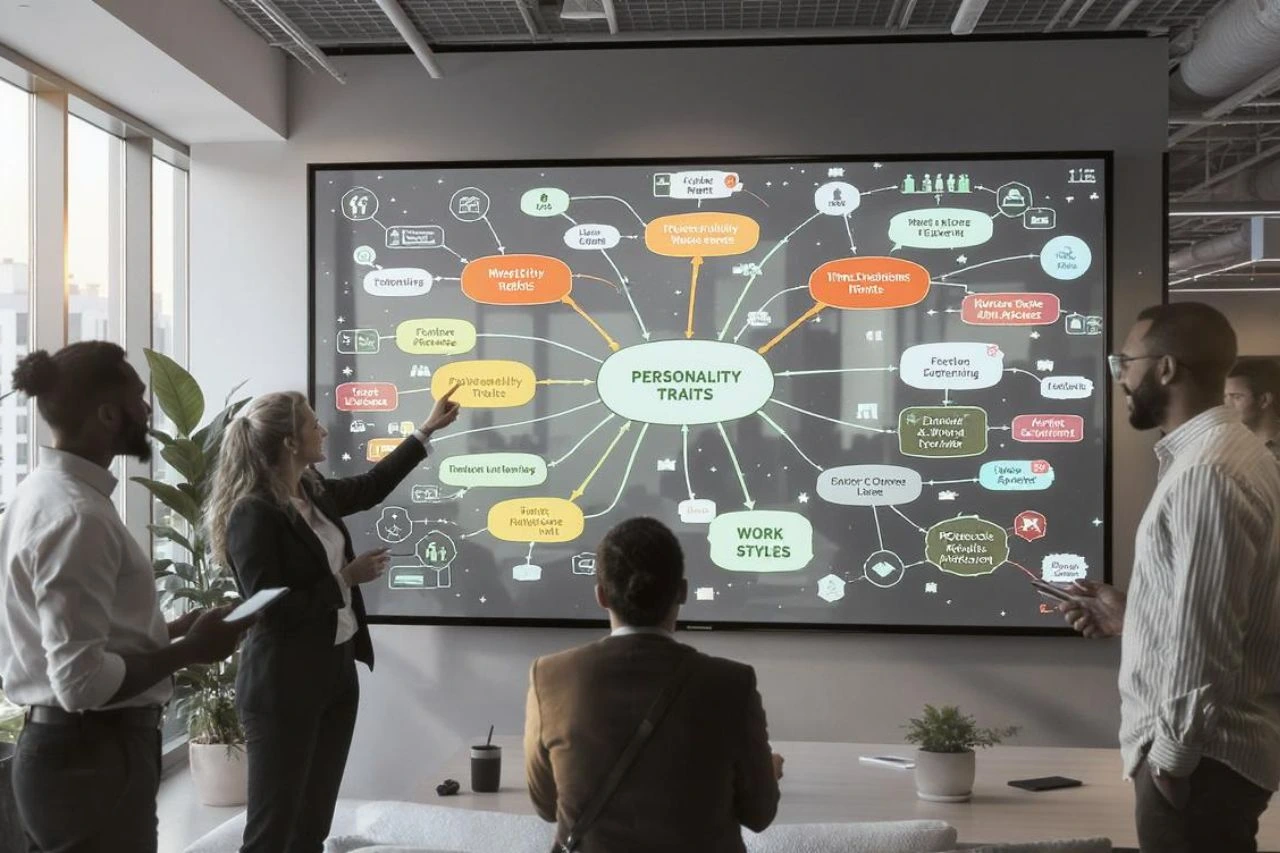
Creating a workplace where employees feel centered and motivated is no longer optional in modern HR management. Mind Mapping Personalities for Employee Zen, Organizations are beginning to understand that employee well-being is deeply connected to understanding personalities and work styles. Mind mapping personalities provides a structured approach to uncovering individual traits, allowing leaders to design a harmonious and productive work environment.
Understanding the Connection Between Personality and Workplace Harmony
Every employee brings a unique set of strengths, communication styles, and motivations. Recognizing these differences is crucial for workplace management strategies that prioritize harmony and efficiency. Mind mapping personalities allows HR professionals to visualize these traits, uncover patterns, and align tasks and roles with natural inclinations. This approach not only reduces workplace friction but also enhances employee engagement research outcomes by showing employees that their individuality is valued.
How Mind Mapping Supports HR Trends and Insights
In recent years, HR trends and insights have emphasized the importance of personalized experiences for employees. Companies adopting mind mapping techniques gain deeper visibility into team dynamics, which informs leadership development insights and future of work research. By mapping personality traits, managers can anticipate potential conflicts, improve collaboration, and create strategies that resonate with diverse teams. This practice is more than a tool; it is a lens through which HR leaders can interpret engagement and performance data with greater nuance.
Elevating Employee Engagement Through Personality Mapping
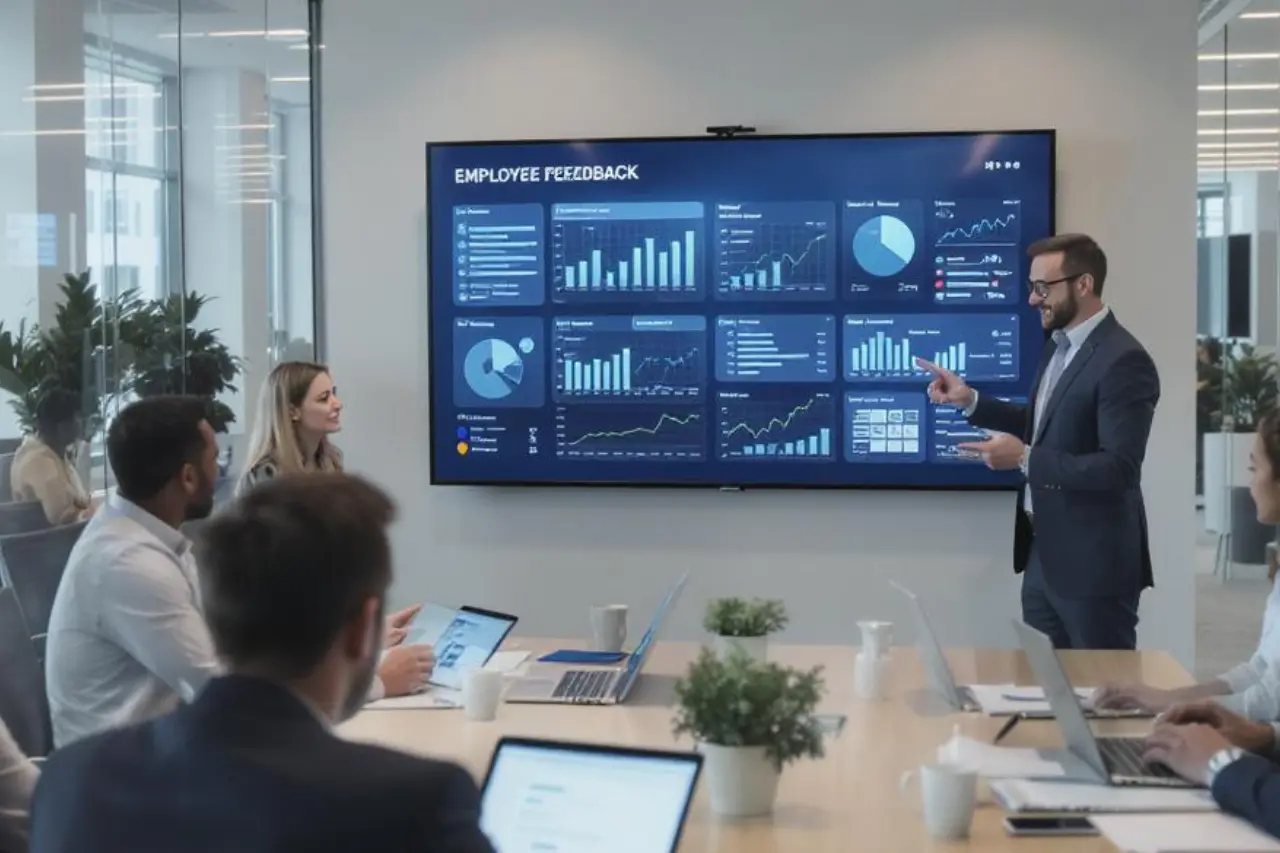
Employee engagement research consistently highlights that engaged employees are those who feel understood and supported. Mind mapping personalities provides a tangible method to achieve this understanding. When employees are paired with projects that align with their natural tendencies, they are more likely to feel motivated and satisfied. This alignment enhances workplace culture, fosters trust, and encourages proactive participation. Engagement is no longer a generic metric but a reflection of how thoughtfully personalities are considered in workplace planning.
Impact on Talent Acquisition Trends and Team Building
Mind mapping personalities also influences talent acquisition trends by allowing recruiters to identify candidates whose strengths complement existing teams. Organizations can go beyond resumes and interview impressions by incorporating personality insights into hiring decisions. This strategy ensures that new hires not only possess the right skills but also fit seamlessly into team structures, reducing turnover and enhancing team cohesion. In turn, workplace management strategies become more predictive and less reactive, creating an environment where employees can thrive.
Leadership Development Insights Through Personalization
Leaders who understand the diverse personalities on their teams can tailor their approach to maximize effectiveness. Leadership development insights gained from mind mapping personalities enable managers to provide personalized feedback, recognize achievements in meaningful ways, and address challenges with empathy. This proactive approach contributes to employee zen by fostering a sense of recognition and psychological safety. Leaders become facilitators of growth, guiding teams toward both professional success and emotional balance.
Future of Work Research and Strategic Planning
The future of work research increasingly points to flexibility, personalization, and employee well-being as core drivers of organizational success. Mind mapping personalities supports these objectives by providing data-driven insights that guide strategic planning. HR teams can design development programs, wellness initiatives, and project assignments that resonate with individual strengths and motivations. By embracing this method, organizations position themselves as forward-thinking and adaptive, ready to meet the evolving expectations of the workforce.
Practical Insights for Implementing Mind Mapping Techniques
Implementing personality mind mapping begins with simple yet structured assessments of employee traits, preferences, and work styles. Combining surveys, interviews, and observational data allows HR teams to create visual maps that highlight patterns and complementarities. These maps can inform decisions about project assignments, mentoring programs, and cross-functional collaboration opportunities. Integrating mind mapping with existing workplace management strategies ensures that the approach remains actionable rather than theoretical. Over time, this practice contributes to a more engaged, balanced, and productive workforce.
Actionable Takeaways for HR Professionals
Mind mapping personalities is more than a diagnostic tool. It provides actionable insights for designing tailored engagement strategies, leadership development plans, and talent acquisition practices. HR professionals can leverage these insights to enhance collaboration, anticipate challenges, and cultivate a culture where employees feel understood and valued. Prioritizing personality-informed strategies helps organizations adapt to HR trends and insights, ensuring long-term sustainability and employee satisfaction.
HRInfoPro delivers meaningful insights into human resource management and development, offering relevant and practical content that supports both employees and employers in achieving growth and success.