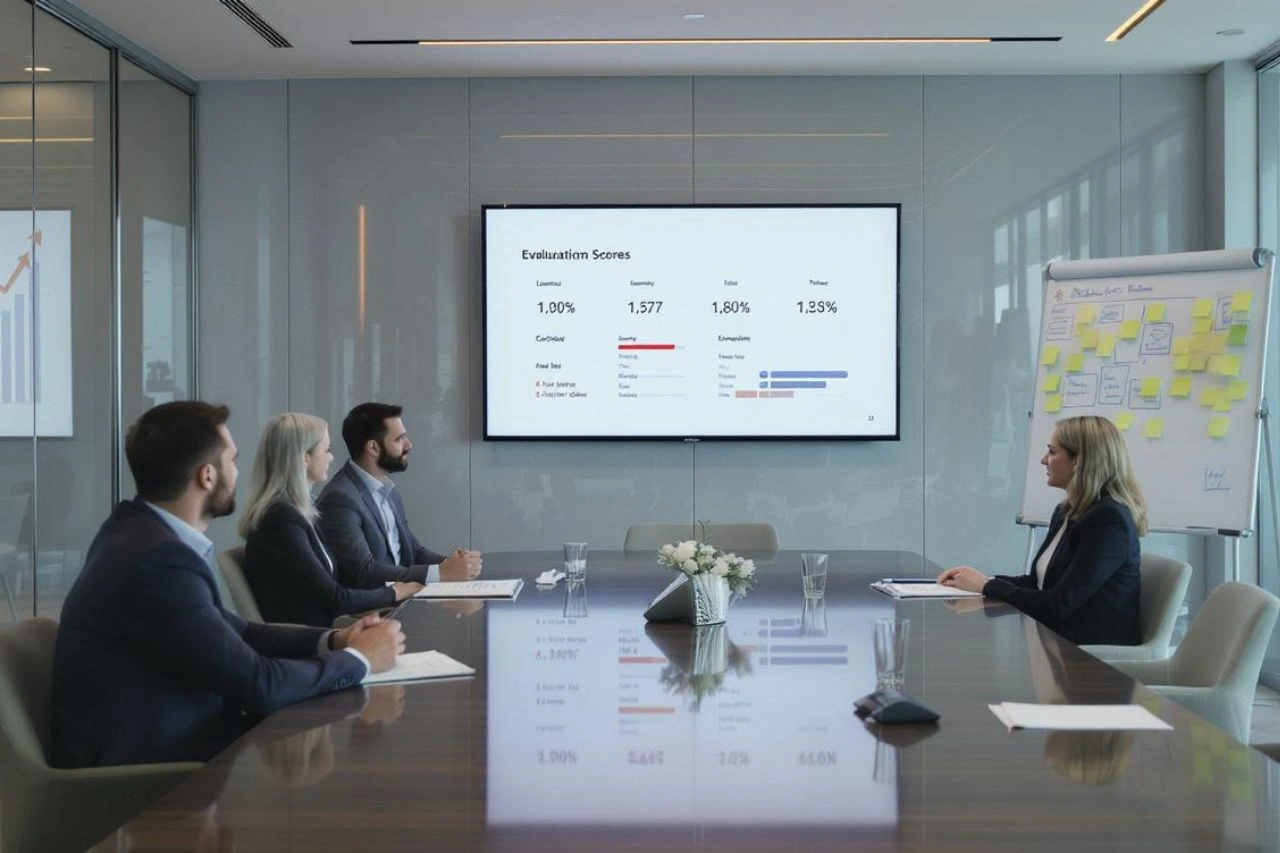
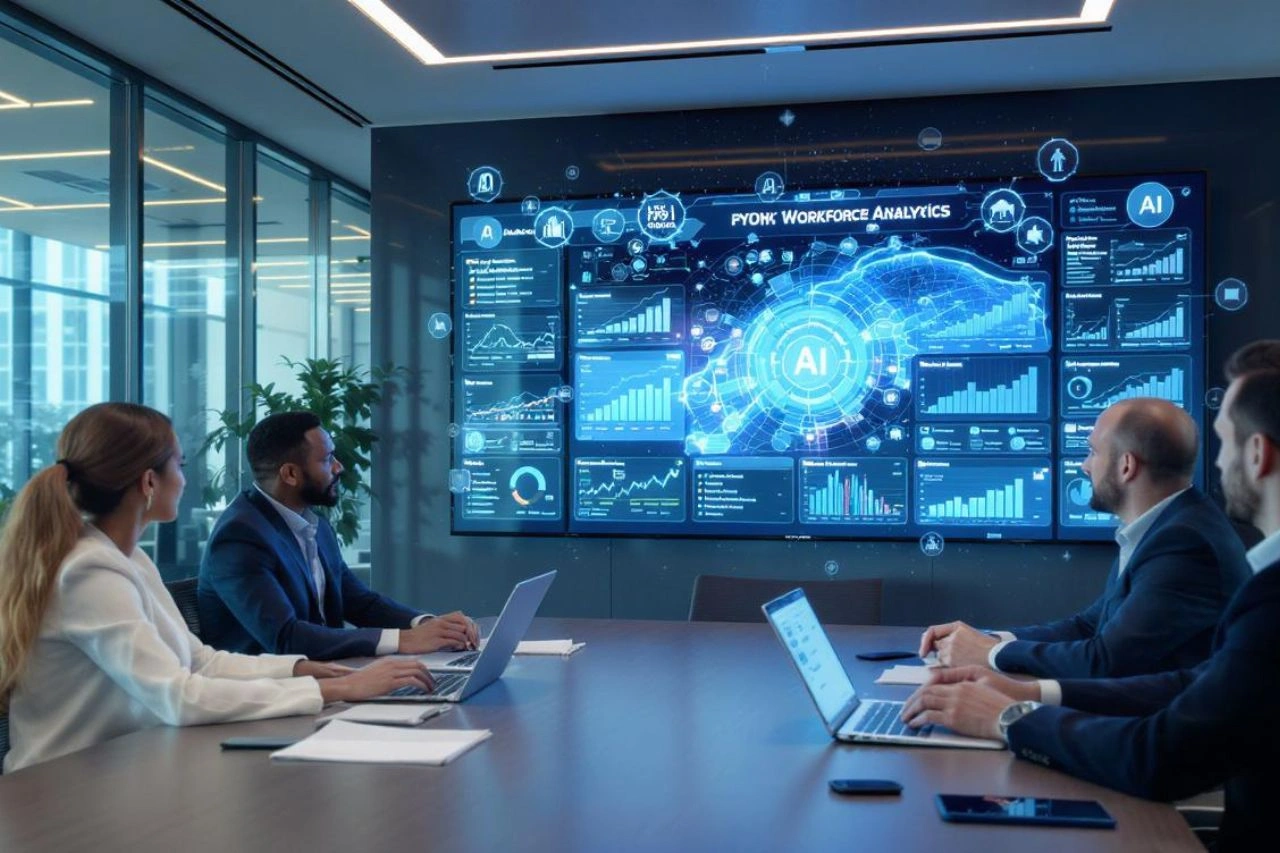
The phrase when AI interviews AI may sound futuristic, yet it reflects a growing reality in modern recruitment. Today, candidates often use AI tools to craft resumes, optimize applications, and even prepare responses. At the same time, companies rely on automated systems to screen, rank, and interview applicants.
As a result, when AI interviews AI, the hiring process becomes less about genuine human potential and more about algorithmic matching. This shift creates a gap where real talent can be overlooked while perfectly optimized applications move forward. Understanding when AI interviews AI is essential for businesses that want to build meaningful and effective hiring processes.
How the hiring funnel lost its human touch
Over time, organizations adopted automation to improve efficiency. However, the rise of when AI interviews AI has unintentionally removed the human element from hiring. Systems now prioritize keywords, patterns, and predictive scoring rather than authentic capability.
Consequently, candidates tailor their profiles to meet algorithm expectations instead of showcasing real skills. Meanwhile, recruiters rely heavily on automated filters, which can miss qualified individuals who do not fit predefined criteria.
This imbalance reflects broader HR trends and insights that highlight the risks of over automation. Without human judgment, hiring funnels become rigid, impersonal, and less effective at identifying true potential.
The impact on talent quality and diversity
When AI interviews AI, the quality of hiring decisions can decline. Automated systems often reinforce existing patterns, which may limit diversity and innovation.
For instance, if an algorithm is trained on past hiring data, it may favor similar profiles repeatedly. As a result, businesses may struggle to bring in fresh perspectives. This directly affects growth and adaptability in a competitive market.
In addition, evolving talent acquisition trends show that candidates value authenticity and fairness. When the process feels overly automated, it can damage employer reputation and reduce candidate trust.
Why candidates are adapting faster than companies
Interestingly, candidates are often quicker to adapt to new technologies than organizations. They actively use AI tools to enhance resumes, prepare for interviews, and optimize their chances of success.
Therefore, when AI interviews AI, candidates may appear more aligned with system expectations even if their real-world skills are average. On the other hand, highly capable individuals who rely less on automation may be filtered out early.
This mismatch highlights the need for better workplace management strategies that balance technology with human evaluation. Companies must rethink how they assess talent in an AI driven environment.
Reintroducing human judgment into hiring
To fix the challenges of when AI interviews AI, businesses need to bring human insight back into the process. Automation should support decision making rather than replace it.
Recruiters should actively review applications beyond algorithmic rankings. Personal interviews, skill-based assessments, and real conversations help uncover qualities that machines cannot measure.
Moreover, employee engagement research shows that candidates who experience meaningful interactions during hiring are more likely to join and stay with a company. This reinforces the importance of a human centered approach.
Building smarter and more balanced hiring systems
A balanced approach combines technology with thoughtful oversight. Instead of relying entirely on automation, organizations should design systems that allow flexibility and context.
For example, AI can handle repetitive tasks such as initial screening, while recruiters focus on deeper evaluation. This ensures efficiency without compromising quality.
At the same time, leadership development insights suggest that hiring should prioritize potential and adaptability rather than just technical alignment. This shift helps build resilient teams capable of navigating change.
Aligning hiring with the future of work
The concept of when AI interviews AI is closely tied to the evolving workplace. As digital tools become more advanced, hiring practices must also evolve.
By leveraging future of work research, businesses can create recruitment strategies that reflect modern expectations. This includes emphasizing skills, creativity, and collaboration rather than rigid qualifications.
Furthermore, organizations should continuously update their processes based on HR trends and insights to remain competitive. This proactive approach ensures that hiring systems stay relevant and effective.
Strengthening candidate experience and trust
A broken hiring funnel often leads to poor candidate experiences. When applicants feel like they are interacting only with machines, engagement drops significantly.
To address this, companies should focus on transparency and communication. Explaining how decisions are made and providing feedback can improve trust.
Additionally, integrating human touchpoints throughout the process creates a more positive experience. This not only attracts better talent but also strengthens employer branding in the long run.
Turning hiring challenges into strategic advantage
While when AI interviews AI presents challenges, it also offers an opportunity for innovation. Organizations that recognize these issues early can redesign their hiring processes to gain a competitive edge.
By combining data driven tools with human expertise, businesses can create systems that are both efficient and insightful. This approach aligns with modern talent acquisition trends and supports long term success.
Ultimately, the goal is not to eliminate AI but to use it wisely. When technology and human judgment work together, hiring becomes more accurate, inclusive, and impactful.
Practical insights to fix your hiring funnel
Businesses should start by auditing their current hiring systems to identify where automation may be limiting outcomes. Introducing structured interviews and real-world assessments can provide a clearer picture of candidate abilities. At the same time, training recruiters to interpret AI outputs critically ensures better decision making.
It is equally important to invest in tools and practices that enhance rather than replace human interaction. By combining insights from employee engagement research and leadership development insights, organizations can create hiring experiences that feel authentic and effective. Over time, this balanced approach transforms hiring from a mechanical process into a strategic function that drives growth.
HRInfoPro delivers meaningful insights into human resources, focusing on effective management and workforce development. Its content is practical, relevant, and valuable for both employers and employees.
Source : customer.io