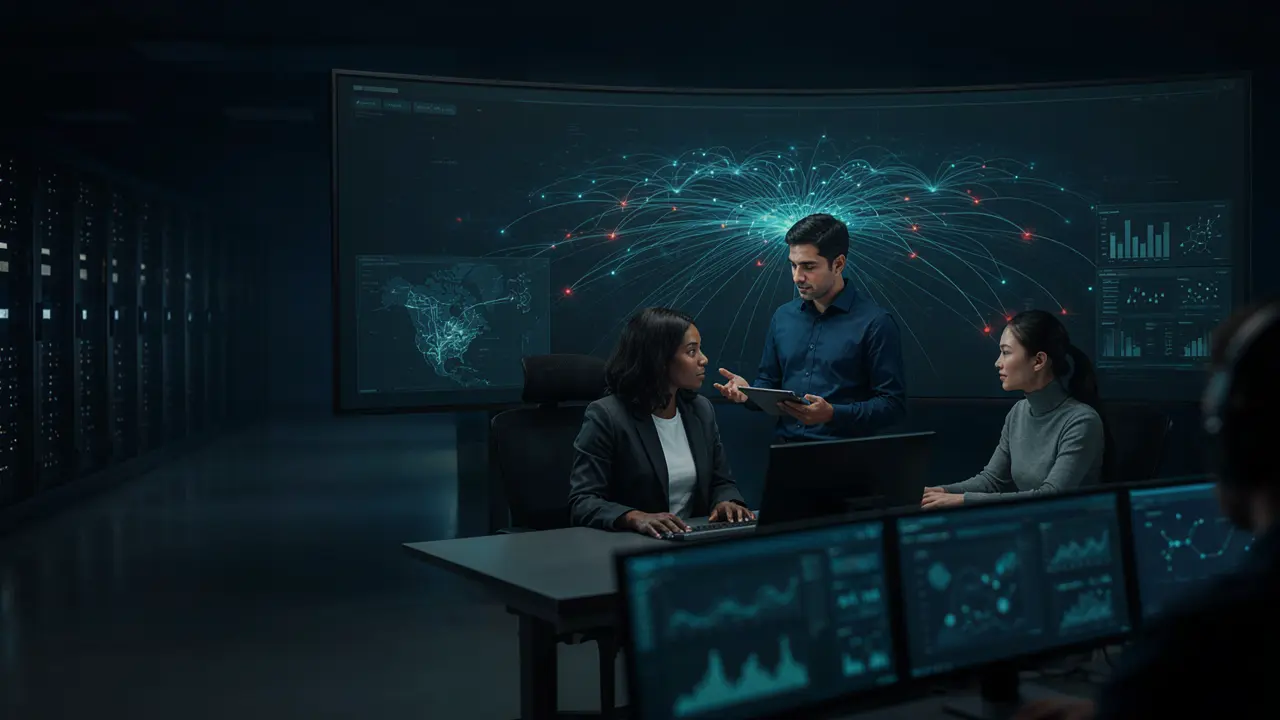
The Cybersecurity and Infrastructure Security Agency is preparing to strengthen its workforce as cybersecurity threats continue to evolve. The agency has faced staffing challenges while remaining responsible for protecting critical infrastructure and helping organizations respond to increasingly sophisticated cyber risks.
The renewed hiring focus comes as concerns surrounding China linked cyber activity remain an important part of the broader US cybersecurity landscape. For CISA, rebuilding its workforce is not simply about increasing headcount. It is about ensuring that the agency has enough specialized expertise to identify threats, coordinate responses and support the resilience of critical systems.
CISA advisory recommendations have previously highlighted the need to improve recruitment, expand talent pipelines and make federal hiring more competitive with private sector opportunities.
Why Cybersecurity Talent Has Become Strategic
Cybersecurity organizations now operate in an environment where threats can develop faster than traditional recruitment and training processes. Consequently, agencies need professionals with expertise across cloud security, threat intelligence, incident response, artificial intelligence and critical infrastructure protection.
At the same time, competition for skilled cybersecurity professionals remains intense. Technology companies and security vendors can often provide faster hiring processes and attractive career opportunities. Therefore, government agencies must find ways to reach a wider talent pool while creating clearer career paths for specialized professionals.
CISA recommendations have previously identified lengthy hiring processes as a significant challenge. One advisory report noted that cybersecurity candidates had faced an average period of 198 days from offer to onboarding, while recommending a goal of 90 days.
China related cyber concerns add another layer of urgency to the workforce discussion. Modern cyber operations can target government systems, telecommunications, energy networks, transportation infrastructure and other strategically important sectors.
As a result, CISA needs professionals who understand both conventional cybersecurity practices and emerging technologies. Threat detection increasingly depends on advanced analytics, automation and artificial intelligence, while defensive teams must also understand how attackers can use similar technologies.
CISA’s international strategy emphasizes strengthening integrated cyber defense, improving resilience and understanding shared risks affecting critical infrastructure.
AI Is Changing the Cybersecurity Workforce
Artificial intelligence is becoming increasingly relevant to cybersecurity operations. AI trends and insights show how organizations are exploring automated threat detection, anomaly identification and faster analysis of large volumes of security information.
Machine learning advancements can help security teams identify unusual behavior and recognize patterns that might otherwise take significant time to discover. Meanwhile, Generative AI developments are creating new opportunities for analysts to summarize incidents, investigate technical information and support security workflows.
However, these technologies also create new risks. Attackers can potentially use AI to improve phishing campaigns, automate reconnaissance and create more convincing malicious content. Therefore, cybersecurity agencies need professionals who understand both defensive applications and the potential misuse of emerging technologies.
Recruitment Must Evolve With Technology
A larger workforce alone will not solve every cybersecurity challenge. CISA also needs recruitment strategies that reflect how technology careers are changing.
Automation and future tech are creating new roles that may not fit traditional government job classifications. Consequently, flexible hiring models could help agencies reach professionals with experience in areas such as artificial intelligence, cloud infrastructure, data science and cyber threat intelligence.
Previous CISA advisory recommendations called for broader recruitment across government, industry, academia and cybersecurity training organizations. They also encouraged stronger partnerships with universities and other organizations to expand the future talent pipeline.
Building a Stronger Cyber Talent Pipeline
A sustainable hiring strategy requires more than filling immediate vacancies. CISA can benefit from developing relationships with universities, professional training programs and cybersecurity communities that introduce emerging talent to public sector careers.
The agency’s cybersecurity competitions also demonstrate the value of developing practical skills. Its President’s Cup program provides participants with real world cybersecurity challenges involving areas such as network defense, threat analysis and vulnerability investigation.
Such initiatives can contribute to broader awareness of cybersecurity careers while helping identify professionals with practical technical capabilities.
AI Industry Updates and the Future of Federal Cyber Defense
AI industry updates suggest that cybersecurity will increasingly depend on collaboration between human specialists and intelligent systems. Instead of replacing skilled professionals, advanced technologies can support analysts by accelerating repetitive tasks and helping them focus on complex investigations.
This shift makes workforce development increasingly important. Future of AI research will likely influence how security organizations detect threats, analyze vulnerabilities and respond to incidents. CISA therefore needs employees who can adapt as quickly as the technology itself.
Insights for Cybersecurity Leaders
CISA’s hiring push highlights a broader lesson for organizations responsible for digital infrastructure. Cybersecurity talent should be treated as a strategic capability rather than simply an operational expense.
Organizations can strengthen their long term resilience by shortening recruitment cycles, developing internal skills and building relationships with academic and professional communities. At the same time, combining human expertise with responsible AI adoption can help security teams manage increasingly complex threat environments.
The most important opportunity is to build a workforce that can continuously adapt. As cyber threats become more sophisticated, agencies need professionals who understand today’s systems while remaining prepared for tomorrow’s technologies.
Strengthen Your Understanding of Emerging AI Trends
Stay informed about cybersecurity, artificial intelligence and emerging technology developments with AI Tech Info Pro.
Reach out to AI Tech Info Pro for deeper insights into the technologies shaping the future of digital security.
Source – cybersecuritydive