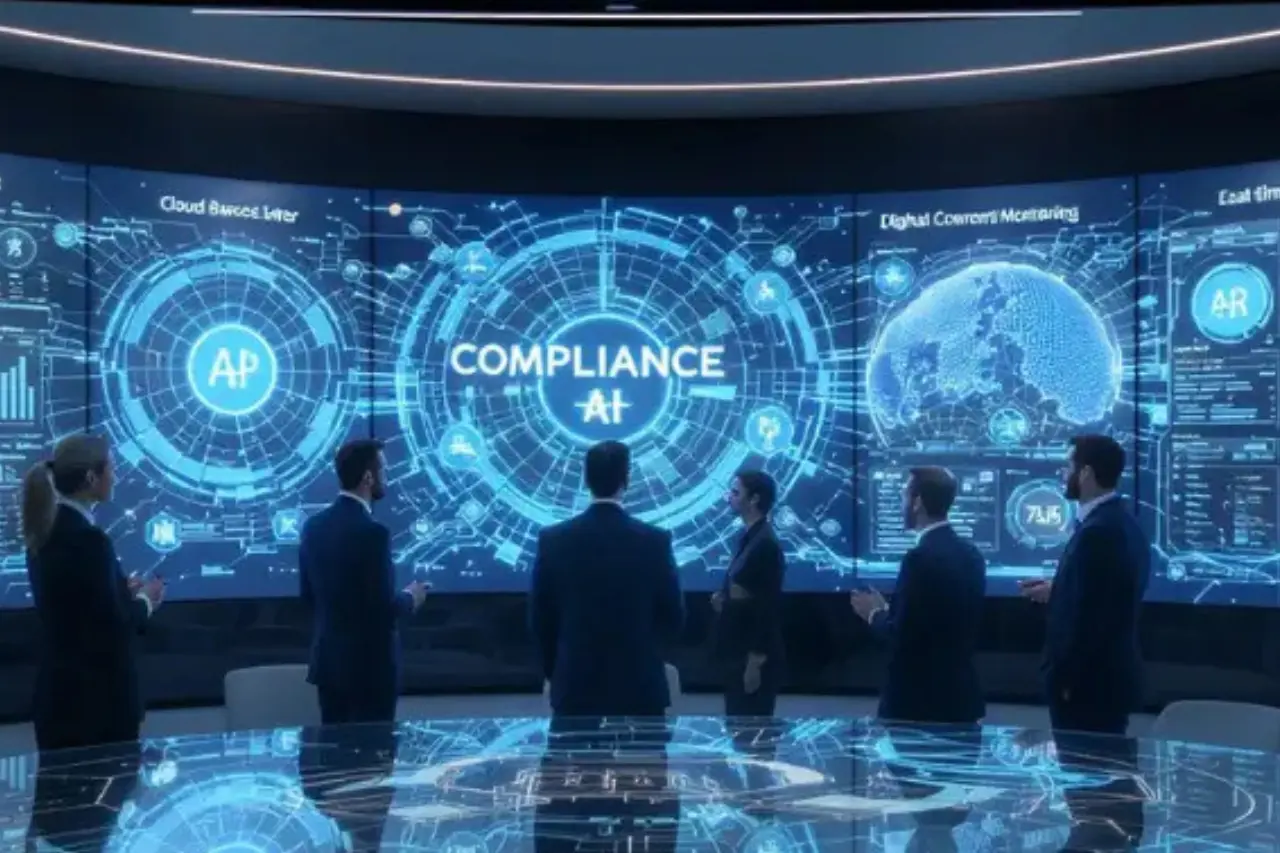
The announcement that the EEOC Unveils New Enforcement Framework has generated widespread discussion across industries. While the Equal Employment Opportunity Commission primarily focuses on workplace regulations and compliance, the impact of its policy direction extends well beyond human resources. In today’s digital economy, regulatory changes often influence technology investments, workforce management systems, and corporate transformation strategies.
As organizations continue to modernize operations, compliance requirements are becoming increasingly connected to digital infrastructure. Consequently, technology leaders are paying close attention to how evolving regulations may shape future business practices. The fact that the EEOC Unveils New Enforcement Framework highlights the growing relationship between governance, technology, and workforce innovation.
Technology Becomes Central to Compliance Strategies
Modern organizations rely heavily on technology to manage employment processes, employee records, recruitment systems, and workplace communications. Therefore, any significant regulatory change often encourages businesses to review their existing digital tools and compliance frameworks.
Moreover, organizations are increasingly adopting advanced software platforms that help automate reporting, monitoring, and policy management. As a result, technology providers are developing more sophisticated solutions designed to support changing legal and operational requirements.
Technology insights suggest that businesses are moving toward integrated compliance ecosystems where human resources, legal departments, and technology teams collaborate more closely than ever before. Consequently, digital transformation continues to play a critical role in helping organizations adapt to regulatory developments.
Digital Transformation Supports Workforce Management
The modern workplace is undergoing rapid change. Remote work, hybrid employment models, and cloud based collaboration platforms have fundamentally altered how organizations operate. Meanwhile, regulatory expectations continue to evolve alongside these workplace trends.
As businesses respond to new requirements, digital transformation initiatives are becoming essential rather than optional. Human resource platforms, workforce analytics tools, and artificial intelligence driven systems are helping organizations improve transparency and efficiency.
Similarly, HR trends and insights indicate that employers are increasingly investing in technologies that enhance employee experiences while supporting compliance objectives. Therefore, workplace innovation is likely to remain a key priority as organizations navigate changing regulatory environments.
Artificial Intelligence and Workplace Oversight
Artificial intelligence is transforming virtually every aspect of business operations. Recruitment platforms, employee engagement tools, and workforce planning systems now leverage AI to improve decision making and streamline processes.
However, greater reliance on intelligent systems also raises important questions regarding accountability, transparency, and fairness. Consequently, organizations must ensure that technology adoption aligns with both operational goals and regulatory expectations.
The announcement that the EEOC Unveils New Enforcement Framework may encourage businesses to examine how AI powered workplace technologies are deployed and monitored. Moreover, technology vendors may respond by introducing enhanced governance features designed to improve oversight and reduce potential risks.
Broader Implications for the IT Ecosystem
Regulatory developments often create ripple effects throughout the technology industry. Software developers, cloud providers, cybersecurity firms, and enterprise solution vendors frequently adapt products to address changing customer requirements.
Additionally, IT industry news continues to highlight how compliance considerations influence technology purchasing decisions. Organizations increasingly seek platforms that combine operational efficiency with strong governance capabilities. As a result, technology providers that prioritize compliance focused innovation may gain a competitive advantage.
Meanwhile, evolving regulations can also create opportunities for emerging technology companies. Businesses that offer advanced monitoring, reporting, and workforce analytics solutions may find growing demand as organizations strengthen compliance strategies.
Business Intelligence Drives Better Decision Making
Organizations today rely on data driven insights to guide strategic decisions. Consequently, regulatory changes often encourage leaders to invest in better reporting tools and analytics capabilities.
Finance industry updates frequently demonstrate how governance and compliance considerations influence corporate planning and risk management. Similarly, Marketing trends analysis reveals that trust and transparency are becoming increasingly important factors in brand reputation and customer engagement.
Furthermore, Sales strategies and research show that enterprise buyers are prioritizing technology solutions that support both operational performance and regulatory readiness. Therefore, businesses that align innovation with accountability may be better positioned for long term success.
Innovation Continues Despite Regulatory Change
Although new frameworks can introduce uncertainty, they often accelerate innovation rather than limit it. Technology companies have consistently demonstrated an ability to adapt to changing environments by developing smarter, more efficient solutions.
In contrast to concerns about increased oversight, many organizations view regulatory clarity as an opportunity to strengthen processes and improve governance. Consequently, businesses are likely to continue investing in digital tools that support productivity, security, and compliance.
Moreover, collaboration between policymakers, technology providers, and business leaders can help create an environment where innovation and accountability advance together. As a result, the broader technology ecosystem may emerge stronger and more resilient.
Future Outlook for Technology and Compliance
The fact that the EEOC Unveils New Enforcement Framework serves as a reminder that technology and regulation are becoming increasingly interconnected. Organizations that embrace digital transformation while maintaining strong governance practices will likely be better equipped to navigate future changes.
Looking ahead, successful businesses will focus on balancing innovation with responsibility. By following Technology insights, IT industry news, HR trends and insights, Finance industry updates, Sales strategies and research, and Marketing trends analysis, leaders can gain a deeper understanding of how regulatory developments influence technology strategy and business growth.
Explore hrinfopro.com for expert perspectives on innovation, digital transformation, and the technologies shaping the future of business.