Recent findings reveal a concerning trend as older workers feel less supported when sick across many organizations. This issue is gaining attention in HR trends and insights as companies strive to create more inclusive and responsive workplaces. While employee wellbeing has become a central focus, gaps still exist, particularly for experienced employees who may require more tailored support.
As organizations evolve, it becomes essential to understand how workplace management strategies can adapt to meet the needs of a multigenerational workforce. Therefore, addressing why older workers feel less supported when sick is not just a wellbeing issue but also a business priority.
Understanding the experience of older employees
Older workers bring valuable expertise and stability to organizations. However, employee engagement research suggests that they often feel overlooked when it comes to health related support. This feeling is not always intentional but may stem from outdated assumptions or lack of targeted policies.
In many cases, older workers feel less supported when sick because communication around benefits and support systems is unclear. Additionally, managers may not always recognize the specific health challenges that can arise with age. As a result, employees may hesitate to seek help, which can lead to prolonged recovery and reduced productivity.
The role of workplace culture in shaping support
Workplace culture plays a significant role in how employees perceive support. When organizations prioritize openness and empathy, employees are more likely to feel valued. However, if the culture leans toward performance pressure without flexibility, older workers feel less supported when sick and disconnected from their teams.
Leadership development insights emphasize the importance of empathetic leadership in addressing such concerns. Managers who actively listen and respond with understanding can significantly improve employee experiences. Consequently, fostering a culture of trust can bridge the support gap.
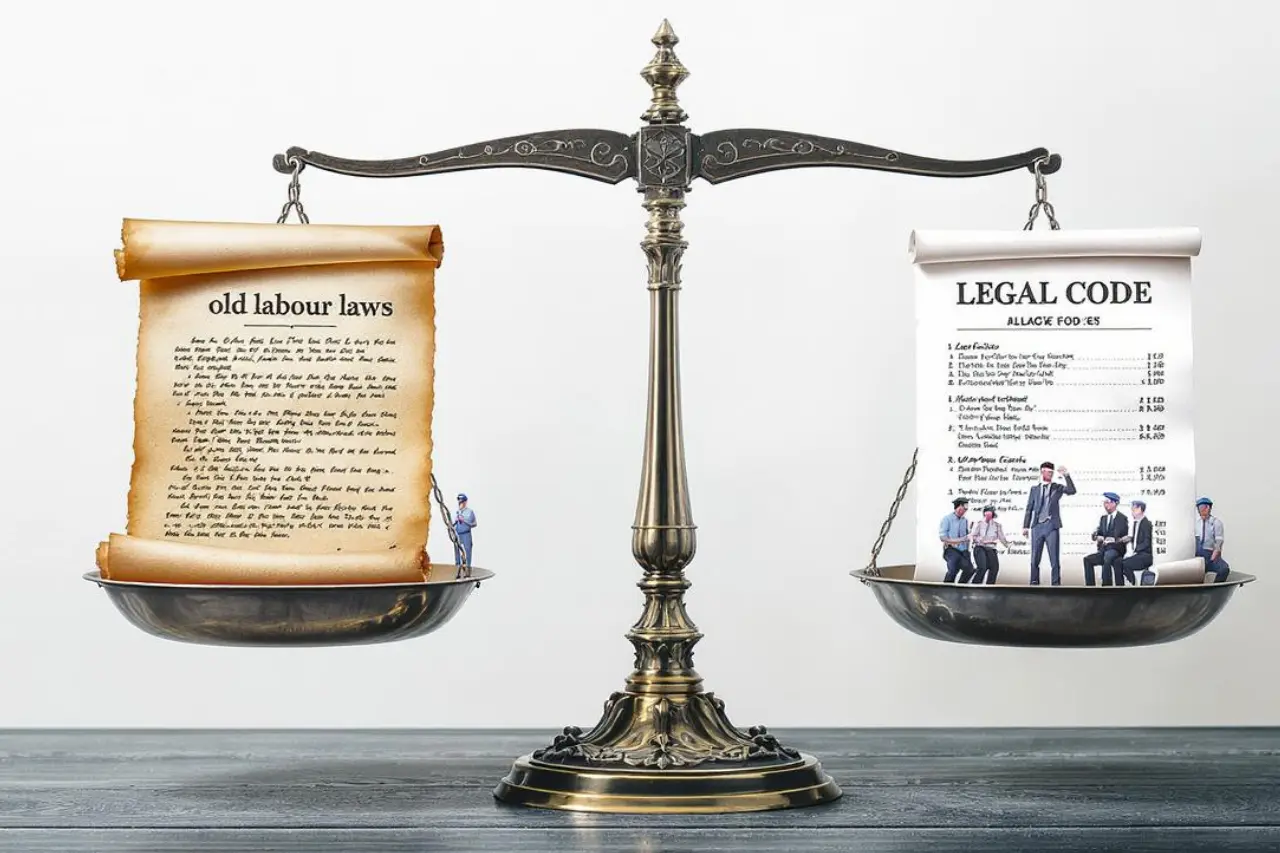
Moreover, inclusive workplace management strategies ensure that policies are not one size fits all. Instead, they recognize diverse needs and provide flexible solutions that cater to employees at different life stages.
How policies and benefits influence perception
Policies and benefits are often the first point of interaction when employees face health challenges. However, even well-designed systems can fall short if they are not communicated effectively. Older workers feel less supported when sick when they are unsure about their entitlements or fear negative consequences.
Employee engagement research highlights that clarity and accessibility are key factors in building trust. When employees understand their options, they are more likely to use available resources. Therefore, HR teams must ensure that policies are transparent and easy to navigate.
In addition, talent acquisition trends show that candidates increasingly evaluate organizations based on their approach to employee wellbeing. Companies that demonstrate strong support systems are more likely to attract and retain experienced talent.
Bridging the gap through leadership and communication
Effective communication is essential in addressing this issue. Leaders must take proactive steps to check in with employees and understand their needs. When managers initiate conversations, it reduces stigma and encourages openness.
Leadership development insights suggest that training programs should include guidance on managing health related conversations. This equips leaders with the skills to handle sensitive situations with care and professionalism. As a result, employees feel more comfortable seeking support.
Furthermore, regular feedback loops can help organizations identify gaps in their support systems. By listening to employee experiences, HR teams can refine their workplace management strategies and ensure continuous improvement.
The impact on engagement and retention
When older workers feel less supported when sick, the effects extend beyond individual wellbeing. It can lead to decreased engagement, lower morale, and higher turnover rates. These outcomes directly impact organizational performance.
Employee engagement research consistently shows that support and recognition are critical drivers of satisfaction. Therefore, addressing this issue can enhance overall engagement levels. Additionally, organizations that prioritize employee wellbeing are better positioned to retain experienced professionals.
Future of work research also indicates that flexibility and inclusivity will be key differentiators in the coming years. Companies that adapt to these expectations will gain a competitive advantage in the talent market.
Aligning health support with future workplace needs
As the workforce continues to age, organizations must rethink their approach to health support. Older workers feel less supported when sick when systems are not designed to accommodate their needs. Therefore, a forward-thinking approach is essential.
Future of work research highlights the importance of integrating technology into health support systems. Digital tools can simplify processes, provide real time information, and enhance accessibility. This not only improves efficiency but also ensures that employees receive timely assistance.
At the same time, workplace management strategies must focus on personalization. Tailored support plans can address individual needs and create a more inclusive environment. This approach aligns with broader HR trends and insights that emphasize employee centric practices.
Creating a more inclusive support system
Inclusivity goes beyond policies and requires a shift in mindset. Organizations must recognize the unique challenges faced by older employees and take steps to address them. This includes offering flexible work arrangements, providing health resources, and promoting a culture of care.
Leadership development insights play a crucial role in driving this change. Leaders who champion inclusivity can influence organizational behavior and set the tone for supportive practices. As a result, employees feel valued and respected.
Moreover, talent acquisition trends indicate that inclusive workplaces are more attractive to a diverse talent pool. By addressing support gaps, organizations can strengthen their employer brand and build a more resilient workforce.
Actionable insights for improving support systems
Organizations can begin by conducting regular assessments to understand employee needs and identify gaps in support. Listening to feedback ensures that solutions are relevant and effective.
It is also important to invest in training programs that equip managers with the skills to handle health related concerns. Strong communication and empathy can transform employee experiences and build trust.
Additionally, simplifying access to benefits and resources can make a significant difference. When systems are easy to navigate, employees are more likely to use them. Aligning these efforts with HR trends and insights ensures that organizations remain competitive and responsive.
HRInfoPro delivers clear and practical insights on human resource management and development, offering valuable guidance that benefits both employees and employers.
Source – hrmagazine.co.uk