The relationship between employees and employers is evolving faster than ever. As artificial intelligence continues to influence daily operations and flexible work arrangements become increasingly common, organizations are rethinking how they create meaningful workplace experiences. Consequently, businesses are placing greater emphasis on building environments that support productivity, collaboration, and employee wellbeing.
Today, workforce experience extends beyond traditional workplace benefits. Employees expect personalized support, seamless technology, career development opportunities, and greater autonomy in how they work. As a result, organizations are adapting their strategies to meet these changing expectations while maintaining strong business performance.
How AI Is Transforming Workforce Experience
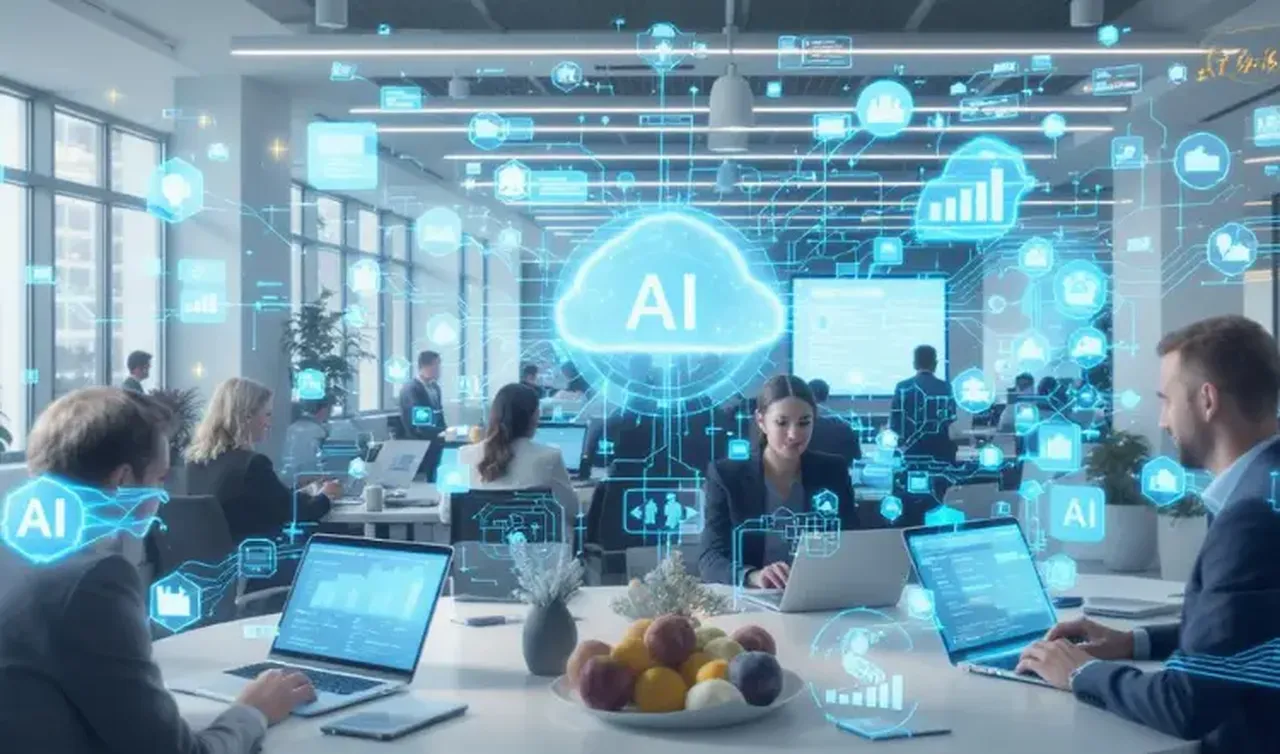
Artificial intelligence is reshaping workplace interactions across industries. From automating repetitive tasks to supporting data driven decision making, AI is helping employees focus on higher value activities that require creativity, critical thinking, and human connection.
Furthermore, AI powered tools are improving how organizations manage communication, learning, and performance development. Employees can access information more quickly, receive personalized recommendations, and complete tasks more efficiently. Consequently, many organizations are using AI to enhance workforce experience while reducing administrative burdens.
At the same time, leaders must ensure technology complements human capabilities rather than replacing meaningful workplace interactions. Therefore, successful organizations are balancing innovation with empathy to create environments where employees feel valued and supported.
Flexible Work Is Redefining Employee Expectations
Flexible work has become a defining feature of the modern employment landscape. Employees increasingly seek the freedom to choose where and when they work while maintaining strong connections with their teams and organizational goals.
As flexible work models continue to expand, organizations are redesigning policies and processes to support distributed teams. Moreover, businesses are investing in digital collaboration tools that enable employees to communicate effectively regardless of location.
Consequently, workforce experience now depends heavily on an organization’s ability to provide consistency across different work environments. Whether employees work remotely, in hybrid settings, or on site, they expect equal access to resources, opportunities, and support.
These developments continue to shape current HR trends and insights, highlighting the growing importance of flexibility in employee satisfaction and retention.
The Human Element Remains Essential
Although technology plays an increasingly significant role in the workplace, human connection remains at the center of a positive employee experience. Employees still value recognition, trust, collaboration, and meaningful relationships with colleagues and leaders.
Therefore, organizations are focusing on creating cultures that encourage open communication and inclusion. In addition, many companies are implementing programs designed to strengthen team engagement across both physical and virtual environments.
Research consistently demonstrates that employees who feel connected to their organization are more likely to remain productive and committed. As highlighted in ongoing Employee engagement research, strong workplace relationships contribute significantly to employee wellbeing and organizational success.
Leadership in an AI Driven Workplace
Leadership expectations are also evolving in response to changing workforce dynamics. Managers are no longer responsible solely for overseeing performance. Instead, they play a critical role in supporting employee growth, fostering trust, and guiding teams through periods of transformation.
Consequently, organizations are investing in leadership development programs that help managers navigate complex workplace challenges. Effective leaders understand how to leverage technology while maintaining a people focused approach.
These priorities align closely with emerging Leadership development insights, which emphasize adaptability, emotional intelligence, and effective communication. Furthermore, leaders who successfully balance technology adoption with employee support are better positioned to create positive workforce experiences.
Workforce Experience and Talent Attraction
A strong workforce experience has become a key differentiator in today’s competitive labor market. Candidates increasingly evaluate organizational culture, flexibility, and employee support programs before accepting job opportunities.
As a result, businesses are integrating workforce experience initiatives into their recruitment strategies. Companies that demonstrate a commitment to employee wellbeing and career development often attract stronger talent and achieve higher retention rates.
This trend reflects broader Talent acquisition trends, where employee experience influences employer branding and hiring success. Moreover, organizations that prioritize workforce experience are often viewed as more innovative and desirable places to work.
Technology and Workplace Management
Managing a flexible and digitally connected workforce requires thoughtful planning and execution. Organizations must ensure employees have access to the tools, resources, and support necessary to perform effectively.
Therefore, many businesses are refining their Workplace management strategies to align with modern workforce expectations. Advanced collaboration platforms, intelligent scheduling systems, and workforce analytics solutions are helping organizations create more responsive and efficient work environments.
Additionally, these technologies provide valuable insights into employee needs and workplace performance. Consequently, leaders can make informed decisions that improve both operational outcomes and employee satisfaction.
Preparing for the Future of Work
The future workplace will likely continue evolving as technological advancements and workforce expectations change. Organizations that remain adaptable will be better positioned to respond to emerging challenges and opportunities.
Furthermore, businesses are increasingly relying on data, automation, and workforce analytics to inform strategic planning. At the same time, they recognize the importance of preserving human centered workplace cultures that encourage innovation and collaboration.
Current Future of work research suggests that successful organizations will be those that effectively combine technology, flexibility, and employee wellbeing. Therefore, workforce experience will remain a critical focus area for HR leaders and business decision makers in the years ahead.
Practical Insights for Enhancing Workforce Experience
Organizations seeking to strengthen workforce experience should focus on creating a balance between technological innovation and human connection. Investing in AI powered tools can improve efficiency, yet maintaining meaningful communication and employee support remains equally important.
Additionally, leaders should regularly gather employee feedback, evaluate workplace policies, and adapt strategies based on changing workforce needs. By combining flexibility, trust, and innovation, organizations can create experiences that support both employee success and long term business growth. Stay ahead of evolving workplace trends with expert analysis and practical guidance from HRInfoPro. Connect with our team to explore insights that help create stronger employee experiences and future ready organizations.