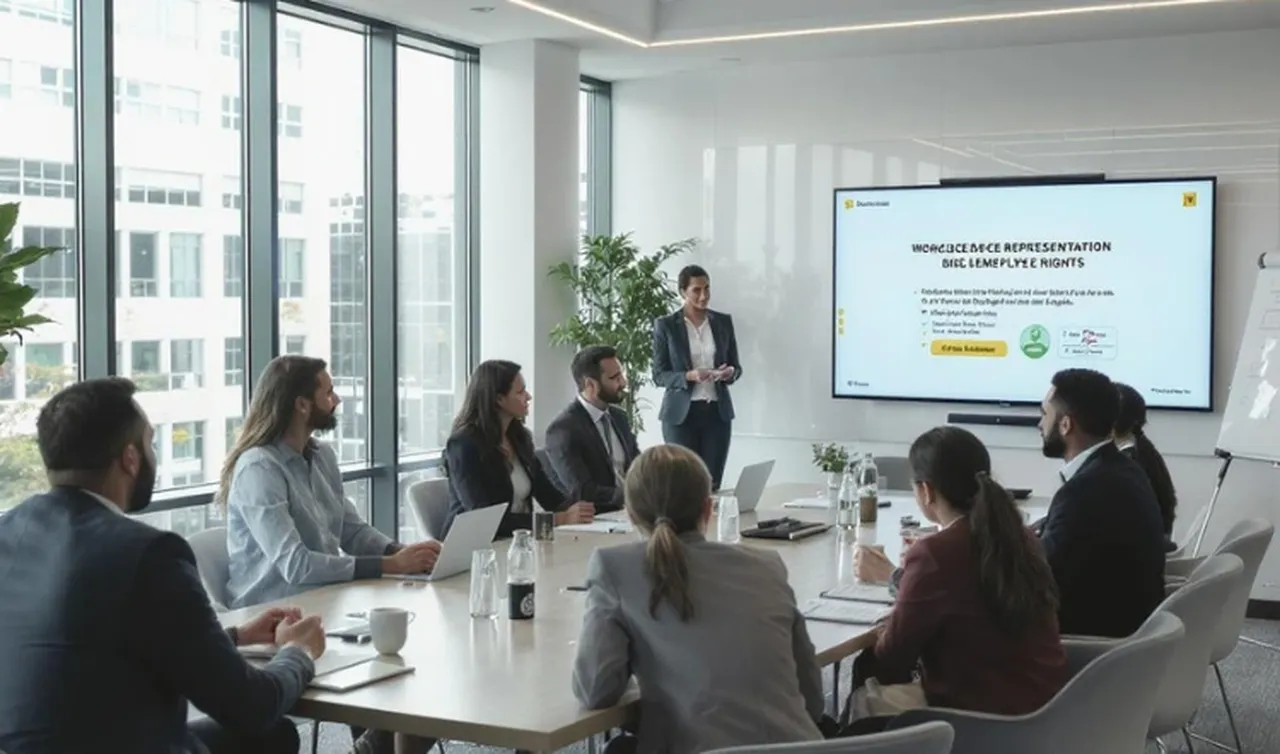
The discussion around employee representation continues to evolve across industries, and recent developments at Octopus Energy have drawn significant attention. Reports that Octopus Energy workers push for union recognition highlight a growing desire among employees to have a stronger collective voice in workplace matters. As organizations navigate changing workforce expectations, this development reflects broader conversations about employee wellbeing, communication, and organizational trust.
Across many sectors, employees are seeking greater involvement in decisions that affect their working lives. Consequently, union recognition has become an important topic for both employers and HR professionals. The situation at Octopus Energy offers valuable lessons about modern workforce expectations and the changing relationship between employers and employees.
Understanding the Demand for Union Recognition
When employees pursue union recognition, the goal is often to establish a formal channel through which workplace concerns can be discussed and negotiated. In many cases, workers seek representation on issues such as working conditions, career development opportunities, compensation, and organizational policies.
In the case where Octopus Energy workers push for union recognition, the conversation extends beyond a single organization. Rather, it reflects wider workforce trends that emphasize transparency, fairness, and meaningful employee participation. As a result, employers across various industries are paying closer attention to how workplace culture influences employee satisfaction and trust.
Moreover, employees today are increasingly informed about their workplace rights and expectations. Therefore, organizations that actively encourage open dialogue often find themselves better positioned to address concerns before they escalate into larger challenges.
The Growing Importance of Employee Voice
Employee voice has become a central theme in modern human resource management. While traditional workplace structures often relied on top down communication, many organizations now recognize the value of listening to employee perspectives.
As Octopus Energy workers push for union recognition, the discussion highlights the importance of creating channels where employees feel heard and respected. Furthermore, organizations that prioritize communication often experience stronger employee relationships and improved workplace morale.
This shift aligns closely with current HR trends and insights that emphasize employee centered workplaces. Businesses are increasingly investing in feedback mechanisms, listening programs, and engagement initiatives designed to strengthen trust across all levels of the organization.
Impact on Workplace Culture
A workplace culture built on trust and mutual respect can significantly influence employee engagement and retention. Therefore, discussions surrounding union recognition often encourage organizations to evaluate their existing workplace practices.
When employees seek greater representation, leaders have an opportunity to assess whether current communication processes effectively address workforce concerns. In addition, these conversations can encourage meaningful improvements that benefit both employees and management.
Strong workplace cultures also rely on effective Workplace management strategies. Organizations that proactively engage with employee concerns often create environments where collaboration and accountability flourish. Consequently, workplace challenges can be addressed more effectively while maintaining positive employee relations.
What This Means for HR Leaders
Human resource professionals play a critical role during periods of organizational change. As workforce expectations continue to evolve, HR leaders must balance employee interests with broader business objectives.
The situation involving Octopus Energy workers push for union recognition demonstrates why HR teams need strong communication frameworks and responsive employee relations strategies. At the same time, HR departments must remain focused on creating environments where employees feel valued and supported.
According to ongoing Employee engagement research, employees who believe their opinions matter are often more committed to organizational success. Therefore, fostering meaningful dialogue can contribute to stronger engagement outcomes and improved workplace satisfaction.
The Connection to Talent Attraction and Retention
Employee relations initiatives can influence an organization’s reputation in the labor market. Prospective candidates increasingly evaluate workplace culture, leadership transparency, and employee wellbeing when considering employment opportunities.
As a result, developments such as those involving Octopus Energy attract attention beyond current employees. They can also shape perceptions among future job seekers and industry observers. This connection is particularly relevant given current Talent acquisition trends, where organizations compete for skilled professionals in an increasingly dynamic labor market.
Companies that demonstrate responsiveness to employee concerns often strengthen their employer brand. Consequently, they may find it easier to attract and retain high quality talent over the long term.
Leadership Challenges and Opportunities
Periods of workforce change often test leadership effectiveness. Leaders must navigate complex conversations while maintaining trust, transparency, and operational stability.
The discussions emerging as Octopus Energy workers push for union recognition highlight the importance of strong leadership communication. Leaders who engage openly with employees can help reduce uncertainty and create a more constructive environment for dialogue.
Furthermore, these developments provide valuable Leadership development insights for managers seeking to strengthen employee relationships. Effective leadership today requires active listening, empathy, and a willingness to address concerns thoughtfully and professionally.
Looking Ahead at the Future Workplace
The modern workplace continues to evolve in response to changing employee expectations, technological advancements, and shifting organizational priorities. Consequently, employee representation and participation are likely to remain important topics in workforce discussions.
The situation at Octopus Energy also contributes to broader Future of work research examining how organizations can balance flexibility, productivity, and employee wellbeing. As workplaces become more collaborative and employee focused, organizations may need to rethink traditional approaches to communication and engagement.
While every organization faces unique circumstances, one common theme remains clear. Employees increasingly value transparency, inclusion, and opportunities to contribute to decisions that affect their professional lives.
Key Takeaways for HR Professionals
HR professionals can view this development as an opportunity to strengthen employee relations strategies and workplace communication practices. Organizations that actively listen to employees, encourage constructive dialogue, and respond to concerns effectively are often better equipped to build trust and long term engagement.
Equally important, businesses should continue monitoring HR trends and insights, Workplace management strategies, Employee engagement research, Talent acquisition trends, Leadership development insights, and Future of work research. These areas provide valuable guidance for creating workplaces that support both organizational goals and employee wellbeing.
Connect with HRInfoPro to stay informed about the latest workforce developments, employee relations strategies, and emerging HR practices shaping modern organizations.
Reach out to HRInfoPro today for expert perspectives and actionable insights that help build stronger workplaces and more engaged teams.