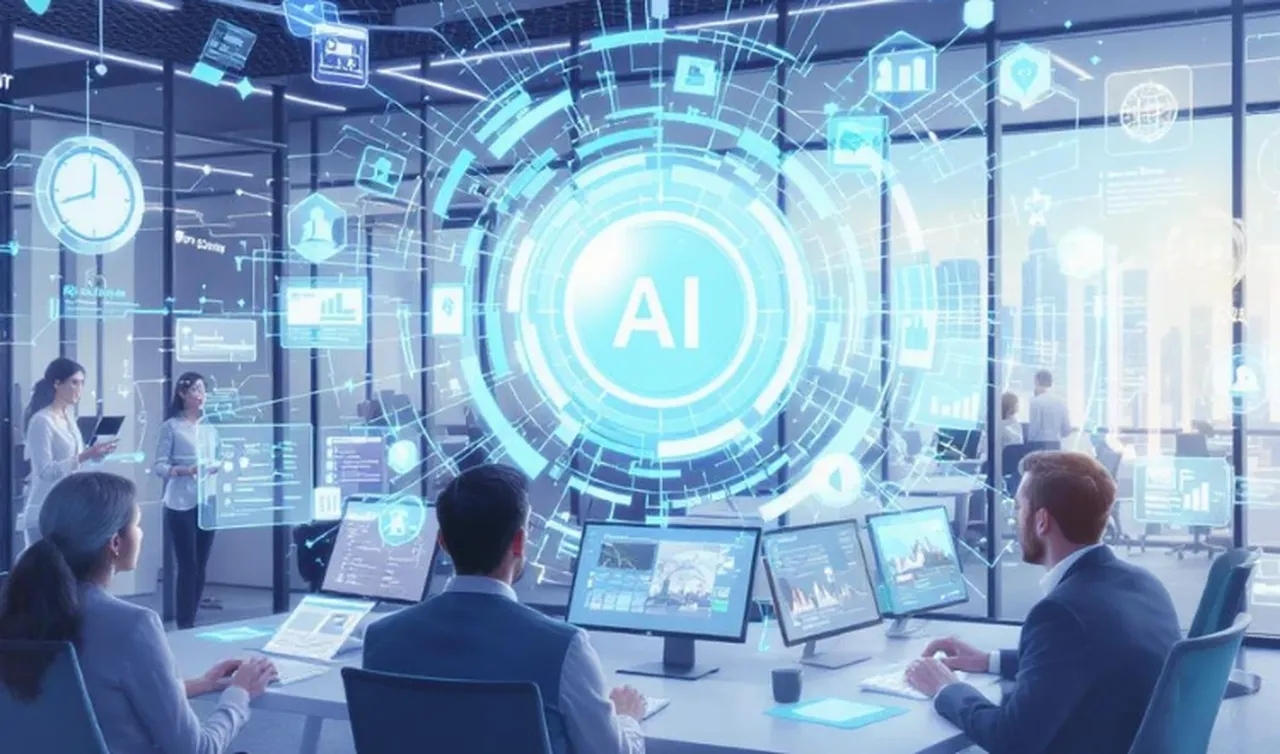
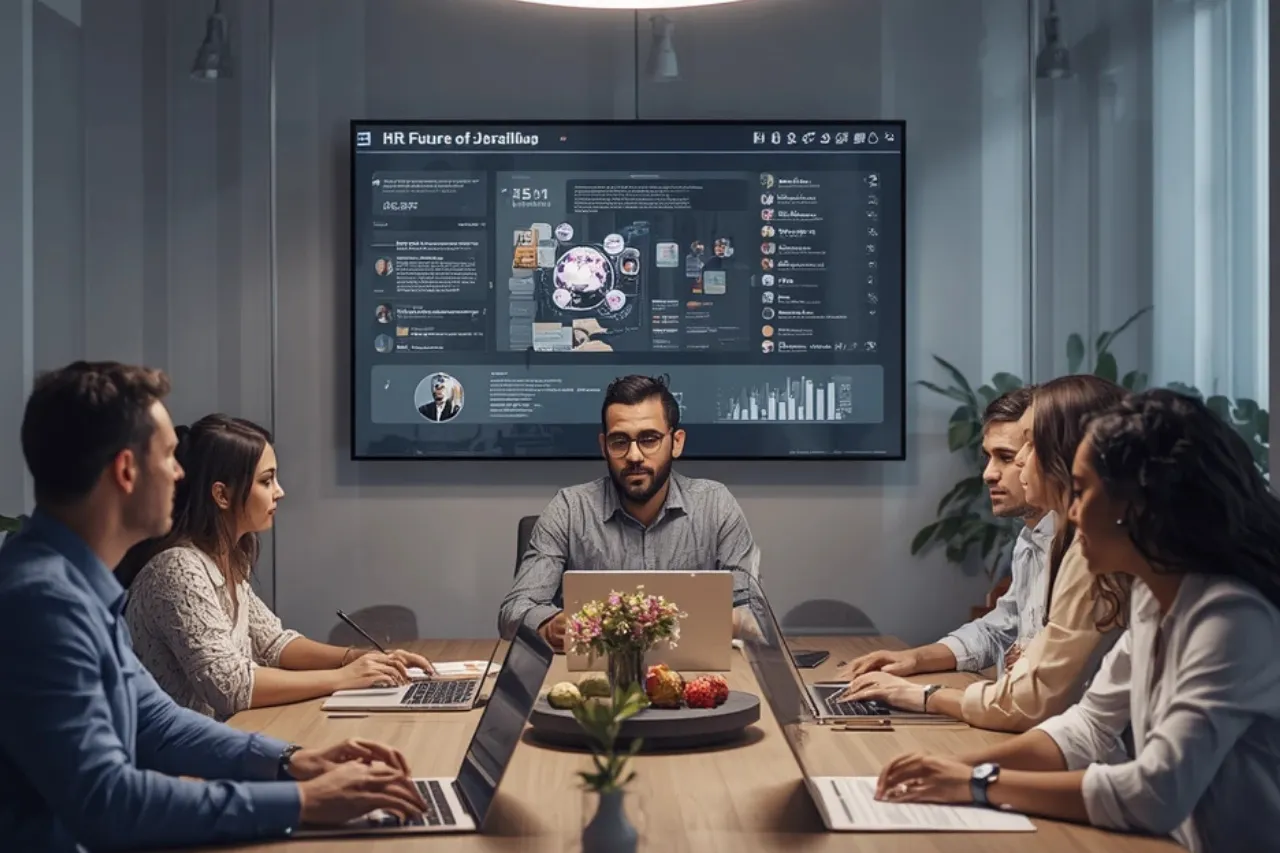
Artificial intelligence is changing the way organizations operate, make decisions, and develop talent. As automation becomes more capable and intelligent systems take over repetitive tasks, companies are rethinking how they prepare employees for long term success. Consequently, the future of employee development has become a central topic for business leaders seeking to build resilient and adaptable workforces.
While many discussions around AI focus on efficiency and productivity, the human side of transformation deserves equal attention. Employees are facing new expectations, changing job responsibilities, and evolving career paths. Therefore, organizations must create development strategies that help people grow alongside technology rather than compete against it.
Why Traditional Learning Models Are No Longer Enough
For many years, employee training followed predictable patterns. Workers attended scheduled workshops, completed annual learning programs, and gradually acquired new skills over time. However, the pace of technological change has accelerated dramatically.
As a result, organizations can no longer rely on static learning approaches. Instead, the future of employee development requires continuous learning environments where employees can quickly adapt to emerging tools and business requirements. Moreover, learning must become more personalized so that individuals can focus on the capabilities most relevant to their roles and career aspirations.
At the same time, companies that embrace modern learning methods are better positioned to respond to market shifts and industry disruptions.
The Growing Importance of Human Skills
Although AI can analyze data, generate content, and automate workflows, uniquely human capabilities remain essential. Creativity, emotional intelligence, collaboration, adaptability, and critical thinking continue to provide significant value in the workplace.
Therefore, organizations are investing more heavily in these competencies. The future of employee development will increasingly emphasize skills that technology cannot easily replicate. Furthermore, leaders recognize that human centered capabilities often determine how effectively teams can work with advanced technologies.
This shift aligns closely with ongoing HR trends and insights that highlight the importance of balancing technical expertise with interpersonal effectiveness. Employees who combine both skill sets are likely to remain highly valuable in the years ahead.
Personalized Learning Powered by Technology
Interestingly, the same technologies disrupting traditional work are also transforming employee learning. AI driven platforms can identify skill gaps, recommend learning resources, and create customized development pathways for individual employees.
Consequently, workers gain access to more relevant training experiences while organizations achieve better learning outcomes. In addition, personalized learning helps employees remain engaged because development opportunities are closely aligned with their goals and responsibilities.
As organizations continue exploring innovative Workplace management strategies, personalized learning is expected to become a standard component of talent development programs. This approach allows businesses to support diverse learning needs while maximizing workforce potential.
Leadership Development in an AI Driven Workplace
Leadership responsibilities are also evolving. Managers must guide teams through uncertainty, encourage continuous learning, and help employees adapt to rapid technological change. Therefore, leadership development has become more important than ever.
The future of employee development depends heavily on leaders who can foster trust, communicate effectively, and support workforce transformation. Moreover, leaders must understand both technological opportunities and human concerns to make informed decisions.
Recent Leadership development insights suggest that successful leaders are increasingly defined by their ability to navigate change while maintaining strong employee relationships. As AI continues reshaping business operations, these qualities will become even more valuable.
Employee Engagement in Times of Change
Workforce transformation often creates uncertainty. Employees may worry about job security, changing responsibilities, or the skills they need to remain competitive. Consequently, organizations must actively support engagement throughout the transition process.
Transparent communication plays a critical role in building confidence. Likewise, providing clear development opportunities helps employees view technological change as an opportunity rather than a threat. Employee engagement research consistently shows that workers are more committed when they understand how organizational changes affect their future growth.
Furthermore, engaged employees are generally more willing to embrace new technologies and participate in learning initiatives. Therefore, engagement and development strategies should work together rather than operate independently.
How Talent Acquisition Is Being Redefined
The skills organizations seek are changing rapidly. Employers increasingly prioritize adaptability, learning agility, and problem solving abilities alongside technical expertise. As a result, recruitment strategies are evolving to identify candidates who can thrive in dynamic environments.
Current Talent acquisition trends reveal a growing emphasis on potential rather than solely focusing on existing qualifications. Organizations understand that future success depends on hiring individuals who can continuously learn and evolve.
Consequently, the future of employee development begins before an employee’s first day. Recruitment, onboarding, learning, and career growth are becoming part of a connected talent strategy designed to support long term workforce success.
Building a Culture of Continuous Development
Creating sustainable growth requires more than training programs alone. Organizations must cultivate cultures where learning is encouraged, rewarded, and integrated into daily work.
For example, employees should have opportunities to experiment with new tools, collaborate across departments, and share knowledge with colleagues. Meanwhile, leaders should actively promote learning as a strategic priority rather than treating it as an occasional activity.
According to Future of work research, organizations that establish strong learning cultures are more likely to remain competitive during periods of disruption. In contrast, businesses that fail to invest in workforce development may struggle to keep pace with evolving market demands.
Practical Insights for Organizations Preparing for the Future
Organizations should begin by assessing current workforce capabilities and identifying emerging skill requirements. Next, they should align learning initiatives with business objectives while ensuring employees have access to relevant development resources. Equally important, leaders should create environments where continuous learning feels achievable and meaningful.
Moreover, businesses should leverage technology to enhance learning experiences without losing sight of human connection. Combining AI driven tools with mentorship, collaboration, and coaching can create a balanced approach that supports long term growth. Ultimately, the future of employee development will belong to organizations that view learning as an ongoing journey rather than a one time event.
Connect with HRInfoPro to stay informed about the latest workforce developments, leadership strategies, and talent management innovations.
Reach out to our team today for expert guidance and actionable insights that help your organization build a stronger and future ready workforce.