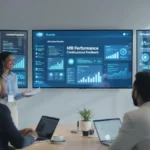
The Personnel Today Awards 2026 shortlist highlights an important shift in how organizations approach human resources and workplace technology. As businesses become increasingly dependent on digital systems, HR teams are moving beyond administrative technology toward solutions that improve employee experiences, strengthen decision making, and support organizational performance.
The Digital HR and Tech category is particularly relevant because technology is becoming closely connected with recruitment, employee engagement, learning, workforce planning, and everyday workplace management. Consequently, recognition in this area reflects more than technological innovation. It also demonstrates how organizations are using technology to solve practical people challenges.
For HR professionals, the Personnel Today Awards 2026 therefore provide an opportunity to examine the ideas and approaches influencing the next generation of workplace technology.
Why Digital HR Innovation Matters
HR technology has changed significantly in recent years. Cloud platforms, artificial intelligence, workforce analytics, automation, and employee experience tools are increasingly becoming part of mainstream HR operations.
Previously, many HR systems focused primarily on storing employee information and managing administrative processes. Today, however, digital platforms can support more personalized learning, faster recruitment, workforce insights, and continuous communication.
This transformation aligns with broader HR trends and insights. Organizations are increasingly looking for technology that can create measurable improvements while also making work simpler for employees and HR teams.
Technology Is Reshaping Employee Experience
Employee experience has become a major priority for organizations competing for skilled professionals. Digital tools can influence how employees communicate, access information, complete workplace tasks, learn new skills, and interact with HR teams.
Furthermore, technology can make employee services more accessible. Self service platforms, intelligent assistants, digital learning environments, and integrated communication systems can reduce friction throughout the employee journey.
However, successful digital HR requires more than implementing new software. Employees need to understand why a technology is being introduced and how it benefits them. Therefore, organizations that combine technology with clear communication are more likely to achieve meaningful adoption.
The Growing Role of Artificial Intelligence
Artificial intelligence is one of the most influential developments in HR technology. Organizations are exploring AI for recruitment support, workforce analytics, employee communication, learning recommendations, and administrative automation.
At the same time, responsible implementation remains essential. HR decisions can affect careers, compensation, and opportunities, meaning organizations must consider privacy, transparency, bias, and human oversight when deploying AI.
As a result, the strongest digital HR initiatives are likely to balance automation with human judgment. Technology can accelerate processes and identify useful patterns, while HR professionals remain responsible for context, empathy, and ethical decision making.
Connecting Technology With Employee Engagement
Employee engagement research continues to emphasize the importance of communication, recognition, growth, flexibility, and meaningful workplace experiences. Digital technology can support these areas when it is designed around genuine employee needs.
For example, organizations can use digital platforms to gather feedback, recognize achievements, provide learning opportunities, and identify areas where employees may need additional support.
Moreover, real time insights can help HR leaders identify changes in employee sentiment more quickly. Instead of waiting for an annual survey, organizations can create ongoing feedback mechanisms that encourage more responsive workplace management strategies.
Digital Tools and Talent Acquisition
Recruitment is another area experiencing rapid technological change. Talent acquisition trends increasingly involve automation, data driven sourcing, digital assessments, and AI supported recruitment workflows.
These technologies can help recruiters manage large volumes of applications and identify potentially relevant candidates more efficiently. Nevertheless, technology should complement rather than replace human evaluation.
Candidate experience also matters. An efficient recruitment platform may improve speed, but candidates still expect clear communication, fairness, accessibility, and respectful interactions throughout the hiring process.
Consequently, successful digital recruitment requires organizations to combine technological efficiency with a strong understanding of candidate expectations.
Supporting Leadership Through Better Data
Digital HR platforms can also strengthen leadership development. Managers can gain access to information about workforce capabilities, learning participation, employee feedback, and organizational trends.
Leadership development insights become more valuable when data is connected with meaningful conversations. Rather than relying exclusively on performance ratings, leaders can use broader information to identify skills gaps, development opportunities, and potential future leaders.
Furthermore, better workforce information can support succession planning. Organizations can identify emerging capabilities and prepare employees for increasingly complex responsibilities.
Preparing for the Future Workplace
Future of work research continues to highlight flexibility, continuous learning, digital collaboration, and changing skill requirements. Consequently, HR technology needs to evolve alongside the workplace itself.
Remote and hybrid employees require reliable digital experiences. At the same time, organizations need systems that support collaboration across locations, encourage continuous development, and provide managers with meaningful workforce information.
This makes digital HR innovation increasingly strategic. Technology is no longer simply an HR support function. Instead, it can influence how organizations attract people, develop talent, manage performance, and respond to change.
Building Responsible Digital HR Systems
As digital HR becomes more sophisticated, responsible technology governance will become increasingly important. HR leaders need to understand how employee information is collected, stored, analyzed, and used.
Transparency can help build trust, particularly when AI or analytics influence workplace decisions. Employees should understand how digital systems affect their experience and where human oversight remains part of the process.
Additionally, HR teams should regularly assess whether technology is producing the intended results. A sophisticated platform does not automatically create a better workplace. Its value depends on adoption, usability, fairness, and measurable business and employee outcomes.
What the 2026 Shortlist Signals
The Digital HR and Tech category reflects a broader transformation taking place across the HR profession. Organizations are increasingly expected to use technology strategically while maintaining a strong focus on people.
The Personnel Today Awards 2026 shortlist can therefore serve as a useful source of inspiration for HR leaders evaluating their own digital strategies. The most valuable lessons are likely to come from understanding how technology addresses specific workforce challenges rather than simply following the latest technology trend.
Actionable Insights for HR Leaders
HR leaders should evaluate digital initiatives based on the problems they solve, the employee experience they create, and the measurable outcomes they deliver. Before introducing a new platform, organizations should establish clear objectives and consider adoption, privacy, accessibility, and long term value.
Equally important, HR teams should connect technology investments with broader workplace management strategies, employee engagement research, talent acquisition trends, and leadership development insights. This integrated approach can help digital HR become a genuine business advantage.
For more HR trends and insights, connect with HRInfoProfor practical perspectives on technology, talent, and modern workforce management.
Source – personneltoday