Keeping talented employees has become a strategic priority for organizations entering 2026. Employees increasingly expect meaningful work, career growth, flexibility, competitive rewards, and a workplace where their contributions are recognized.
At the same time, organizations face changing skill requirements and increasing competition for experienced professionals. Consequently, employee retention strategies need to address more than salary. Companies must create an environment where people can perform well, develop their careers, and see a future within the organization.
The latest HR trends and insights show that employee experience is becoming increasingly connected to long term business performance.
Create Clear Career Growth Opportunities
Employees are more likely to stay when they understand how their careers can progress. Organizations should make development paths visible and provide opportunities to learn new skills.
Career conversations should happen regularly rather than only during annual reviews. Managers can discuss employee ambitions, identify relevant capabilities, and connect individuals with projects that support their professional growth.
Strengthen Manager Employee Relationships
Managers have a major influence on the everyday employee experience. Even competitive compensation may not compensate for poor communication or a lack of recognition.
Therefore, organizations should train managers to listen actively, provide constructive feedback, and recognize achievements. Strong manager relationships can create trust and make employees feel more connected to their teams.
Make Recognition Part of Everyday Culture
Recognition does not always require financial rewards. A thoughtful message, public appreciation, or acknowledgment during a team meeting can make employees feel valued.
Furthermore, recognition should be timely and specific. Employees should understand what they accomplished and why their contribution matters to the organization.
Offer Meaningful Learning Opportunities
Professional development can play an important role in keeping ambitious employees engaged. Organizations can provide access to courses, mentoring, workshops, certifications, and practical learning experiences.
Employee engagement research consistently highlights growth and development as important elements of a positive workplace experience. As a result, learning should be treated as an ongoing investment rather than an occasional benefit.
Support Flexible Work Preferences
Flexibility remains an important consideration for many employees. Depending on the role, organizations can offer remote work, hybrid arrangements, flexible schedules, or greater autonomy over working patterns.
However, flexibility works best when expectations are clear. Managers should focus on outcomes and communication rather than unnecessary monitoring of where employees are working.
Review Compensation and Benefits Regularly
Competitive compensation remains an important part of retention. Organizations should periodically review salaries and benefits against market conditions and changing employee expectations.
Beyond salary, benefits such as wellness support, paid leave, learning allowances, retirement contributions, and family friendly policies can influence how employees evaluate their overall employment experience.
Build Stronger Workplace Connections
Employees are more likely to remain engaged when they feel connected to colleagues and the wider organization. Businesses can encourage collaboration through team activities, shared projects, mentoring relationships, and opportunities for cross functional interaction.
Consequently, workplace management strategies should consider social connection alongside productivity and operational efficiency.
Give Employees Greater Autonomy
Talented professionals often want opportunities to make decisions and take ownership of meaningful work. Excessive control can reduce motivation and create frustration.
Instead, managers can establish clear goals while giving employees flexibility in how they achieve them. This approach can encourage accountability, creativity, and confidence.
Improve Internal Mobility
Employees may leave when they believe advancement is only possible by changing companies. Internal mobility can provide an alternative.
Organizations should make suitable opportunities visible and encourage employees to explore roles across departments. This can help retain valuable knowledge while giving employees new challenges.
Strengthen Leadership Development
Future leaders need opportunities to build capabilities before they move into senior positions. Mentoring, coaching, project leadership, and cross functional assignments can help employees prepare for greater responsibility.
Leadership development insights can also help HR teams identify emerging talent and create stronger succession pipelines.
Listen to Employee Feedback
Retention efforts should be informed by what employees actually experience. Regular surveys, one to one conversations, focus groups, and feedback channels can reveal concerns before they become reasons to leave.
Most importantly, organizations should act on meaningful feedback. Asking employees for their opinions without demonstrating any response can reduce trust.
Promote Sustainable Workloads
Burnout can weaken engagement and increase turnover. Leaders should monitor workloads and encourage realistic expectations around deadlines and responsibilities.
Additionally, managers should recognize when teams need additional resources or clearer priorities. Sustainable performance is more valuable than maintaining productivity through constant pressure.
Connect Employees With Organizational Purpose
People often want to understand how their work contributes to something meaningful. Leaders can strengthen this connection by communicating organizational goals clearly and showing how individual contributions support those objectives.
A strong sense of purpose can make everyday responsibilities feel more relevant and motivating.
Use Data to Understand Retention Risks
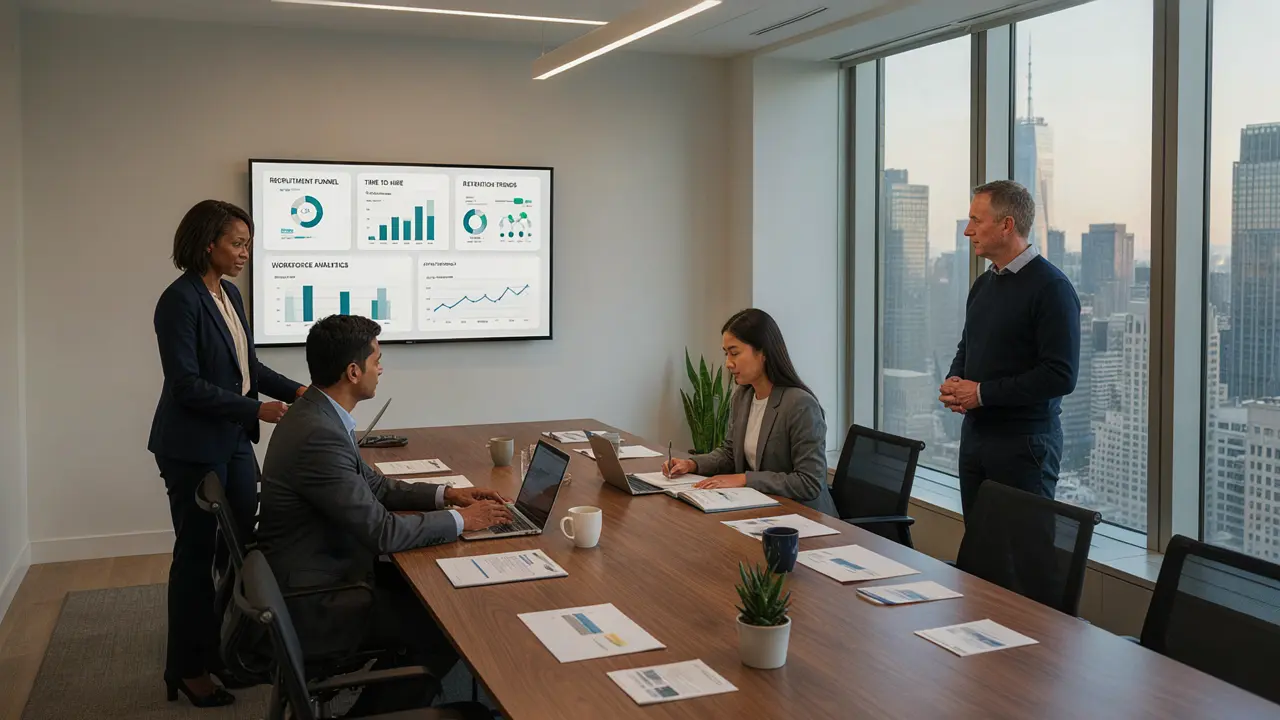
HR teams can use workforce data to identify patterns in turnover, engagement, absenteeism, internal mobility, and career progression.
When combined with employee feedback, this information can help organizations identify areas that require attention. However, data should support human judgment rather than replace it.
Prepare for the Future of Work
Future of work research points toward continued changes in skills, technology, workplace structures, and employee expectations. Organizations that invest in adaptability can become better prepared for these shifts.
Retention therefore should not be viewed as a single HR initiative. It should become part of a broader approach to workforce planning, employee development, leadership, and organizational culture.
Actionable Insights for HR Leaders
The most effective employee retention strategies are connected to the complete employee experience. Organizations should regularly review career growth, leadership quality, recognition, flexibility, compensation, workload, learning, and workplace culture.
Rather than waiting for turnover to reveal problems, HR leaders can use employee feedback and workforce data to identify opportunities for improvement early. By combining practical workplace management strategies with insights from talent acquisition trends and employee engagement research, businesses can create workplaces where top talent has strong reasons to stay.
For more HR trends and insights, connect with HRInfoPro for practical guidance on building stronger and more engaging workplaces.
Reach out to HRInfoPro to explore smarter talent strategies that support employee growth, leadership development, and the future of work.