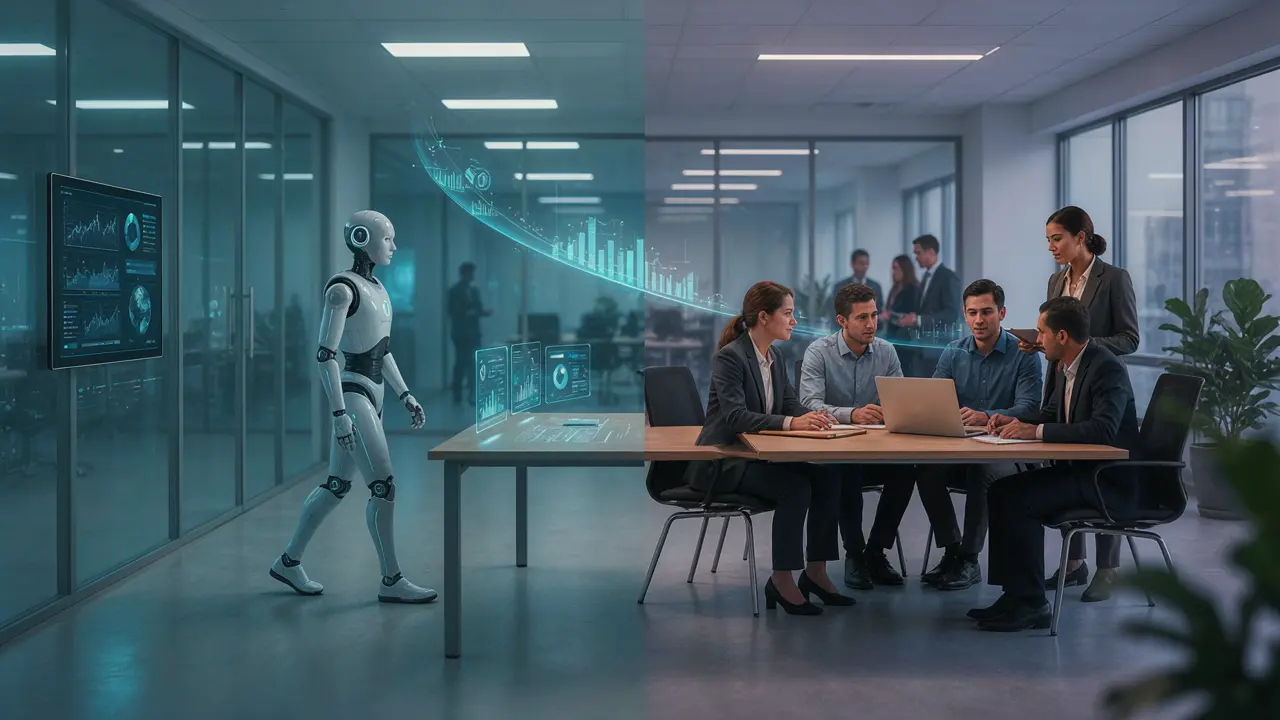
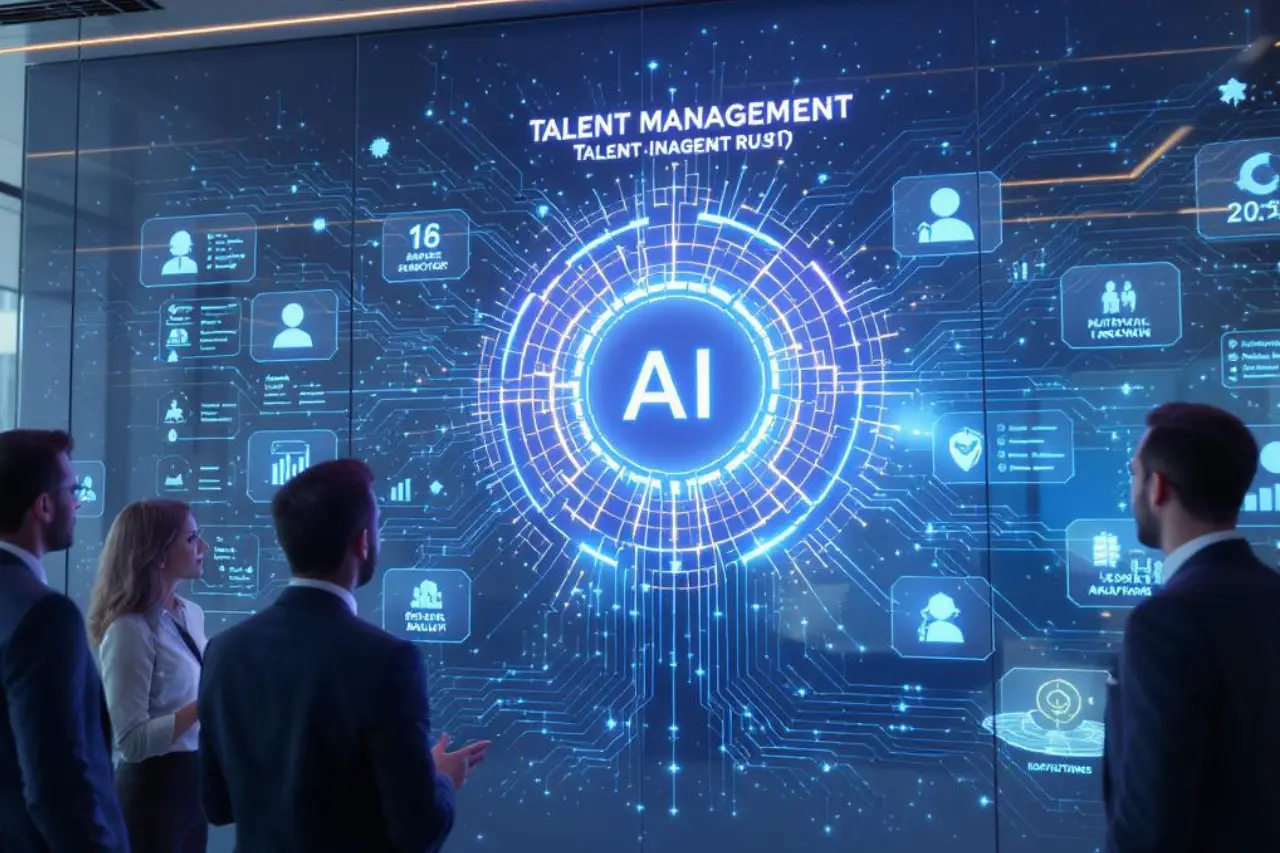
Technology is transforming the workplace at an extraordinary pace. Artificial intelligence, automation, advanced analytics, collaboration platforms, and intelligent software are changing how organizations operate and how employees perform their daily responsibilities. Yet while technology continues to advance, human readiness is not always keeping pace.
Tech innovation can create impressive opportunities, but its success ultimately depends on people. Employees need the right skills, confidence, support, and understanding to work effectively with emerging technologies. Without that foundation, even the most sophisticated technology can fail to deliver its expected value.
This growing gap is becoming an important issue for HR leaders. Recent HR trends and insights increasingly point toward the need to connect technological transformation with employee experience, organizational culture, and workforce development.
Why Human Readiness Matters
Organizations often focus heavily on selecting and implementing new technology. However, introducing a new platform or artificial intelligence system does not automatically create better results. Employees must understand why the technology is being introduced and how it will affect their responsibilities.
Furthermore, people may resist technology when they feel excluded from the transformation process. Concerns about job security, unfamiliar systems, changing responsibilities, and insufficient training can create uncertainty.
Therefore, organizations need to treat human readiness as an essential part of digital transformation. Tech innovation should support employees rather than simply place new demands on them.
The Role of Employee Skills
As technology evolves, the definition of workplace skills is changing. Technical knowledge remains valuable, but organizations also need employees who can adapt, communicate, solve problems, evaluate information, and work alongside intelligent systems.
Workplace management strategies should therefore include continuous learning. Instead of waiting for employees to develop new capabilities after technology has already been introduced, companies can prepare their workforce earlier.
Employee engagement research also shows why this approach matters. Employees who feel supported in their professional development are more likely to participate positively in organizational change. Consequently, learning should become an ongoing part of the employee experience rather than an occasional training exercise.
Leadership Must Move With Technology
Technology transformation also creates new expectations for leadership. Managers need to understand how emerging tools influence workflows while recognizing how employees experience those changes.
Leadership development insights can help organizations prepare managers to communicate clearly during periods of rapid transformation. Strong leaders can explain the purpose behind new technology, listen to employee concerns, and create an environment where experimentation is encouraged.
Moreover, leaders should recognize that different employees may respond differently to technological change. Some may quickly adopt new systems, while others may need additional training and reassurance. A people focused leadership approach can help bridge these differences.
Technology and Employee Engagement
Employee engagement can suffer when technology is introduced without sufficient communication. If employees believe that automation is simply intended to reduce headcount or increase workloads, trust can decline.
However, tech innovation can also improve the employee experience when implemented thoughtfully. Automation can remove repetitive administrative work, artificial intelligence can support research and analysis, and digital collaboration tools can make communication easier.
The difference often comes down to implementation. Employees need to understand how technology can make their work more meaningful and productive. When organizations communicate this clearly, technology becomes an enabler rather than a source of anxiety.
Talent Acquisition Is Changing
The acceleration of technology is also influencing how companies attract and select talent. Talent acquisition trends increasingly emphasize adaptability, digital confidence, and the ability to learn new skills.
Employers are looking beyond traditional qualifications because job responsibilities can change rapidly as technology develops. A candidate who demonstrates curiosity and adaptability may be better prepared for an evolving workplace than someone who relies only on existing technical knowledge.
At the same time, organizations must ensure that hiring practices remain human centered. Technology can improve recruitment efficiency, but human judgment, fairness, transparency, and candidate experience remain essential.
Preparing for the Future of Work
Future of work research highlights a workplace where technology and human capabilities will increasingly operate together. Artificial intelligence is unlikely to eliminate the importance of people. Instead, many roles are expected to evolve as employees use technology to enhance decision making and productivity.
This means organizations should prepare employees for continuous change. Rather than predicting exactly which skills will remain relevant for years, companies can build learning cultures that help people acquire new capabilities as circumstances change.
Tech innovation will continue to influence this transformation. Organizations that combine technological investment with workforce development will be better positioned to adapt as new tools emerge.
Creating a People Centered Technology Strategy
A successful technology strategy should begin with a simple question about how the change will affect people. HR teams can work alongside technology and business leaders to understand employee needs before implementation begins.
Communication should remain consistent throughout the transformation. Employees should know what is changing, why it matters, how their roles may evolve, and where they can receive support.
In addition, organizations can measure adoption, employee sentiment, productivity, and learning outcomes after introducing new systems. These insights can reveal whether tech innovation is actually creating the intended benefits.
Practical Insights for HR Leaders
Human readiness should be treated as an ongoing organizational capability rather than a one time project. HR leaders can begin by identifying the skills employees will need as technology evolves and then connecting those needs with practical learning opportunities.
Managers should also receive guidance on communicating technological change. When employees have opportunities to ask questions, provide feedback, and develop relevant skills, they are more likely to approach transformation with confidence.
Most importantly, organizations should remember that successful tech innovation is not measured only by how quickly a new system is deployed. Its real value can be seen in whether employees can use it effectively, whether work becomes more productive, and whether people feel prepared for what comes next.
For deeper HR trends and insights on technology, leadership, employee engagement, and the evolving workplace, connect with HRInfoPro.
Reach out to HRInfoPro to explore practical workforce strategies that help your organization prepare people for the future of work.
Source – thehrdirector