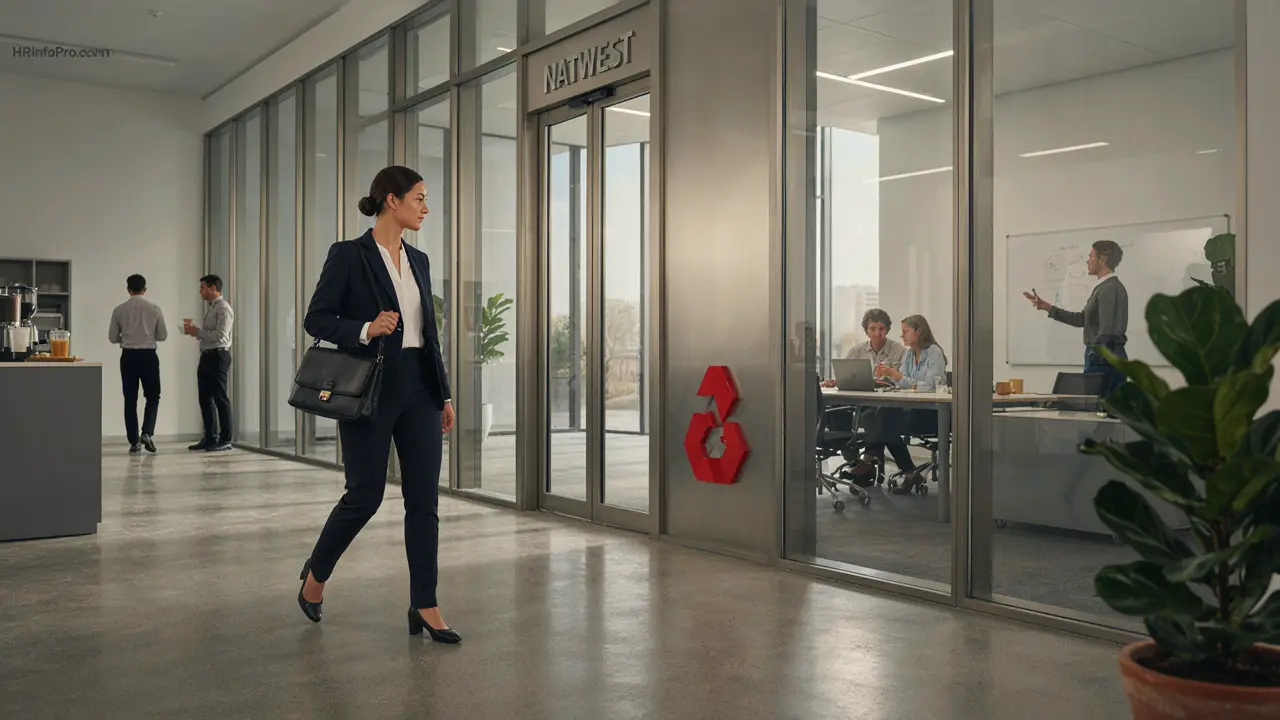
Hybrid work has become an important part of modern workplace planning as businesses rethink how employees can work effectively while maintaining a healthy work life balance. By combining remote work with office based collaboration, organisations can create flexible environments that support productivity, employee satisfaction, and long term business growth.
For employers, hybrid work offers more than convenience. It provides an opportunity to improve workforce performance, attract skilled professionals, and respond to changing employee expectations. As businesses explore emerging HR trends and insights, flexible working arrangements are increasingly becoming a key consideration in workforce planning.
However, the success of this model depends on thoughtful implementation. Companies need clear policies, effective communication, and supportive leadership to ensure employees remain connected and productive regardless of their location.
How Hybrid Work Can Improve Employee Productivity
One of the biggest advantages of hybrid work is its potential to improve productivity by giving employees greater control over their working environment. Remote working days can provide more opportunities for focused tasks, while office days encourage collaboration, brainstorming, and team discussions.
When employees spend less time commuting, they may also have more time and energy for meaningful work. Moreover, flexible schedules can help individuals organise their responsibilities more effectively, reducing unnecessary stress and improving concentration.
Nevertheless, flexibility alone does not guarantee better results. Businesses must establish realistic performance expectations and measure outcomes rather than simply tracking hours spent online. By adopting effective workplace management strategies, managers can encourage accountability without creating an atmosphere of constant monitoring.
Additionally, access to suitable technology, reliable communication channels, and well defined responsibilities helps employees complete tasks efficiently. When these elements work together, hybrid work can support stronger performance while allowing teams to maintain a sustainable pace.
The Connection Between Hybrid Work and Talent Retention
Employee retention remains a major priority for organisations seeking to reduce recruitment costs and preserve valuable experience. Hybrid work can strengthen retention by giving employees greater flexibility to balance professional commitments with personal responsibilities.
For many professionals, workplace flexibility influences whether they remain with an employer or consider new opportunities. A company that recognises individual needs and trusts employees to manage their responsibilities can build stronger relationships with its workforce.
Furthermore, hybrid work can expand talent acquisition opportunities. Employers are no longer always restricted to candidates who live within commuting distance of an office, allowing them to access a broader talent pool where roles and local employment regulations permit.
However, businesses should avoid assuming that every employee prefers the same arrangement. Some individuals value regular face to face interaction, while others perform better with more remote working time. Gathering employee feedback and using employee engagement research can help organisations develop policies that reflect actual workforce preferences.
Building an Effective Hybrid Work Culture
A successful hybrid workplace requires more than deciding which days employees should attend the office. Organisations must create a culture where remote and office based employees receive equal opportunities to contribute, collaborate, and progress professionally.
For example, managers should ensure that important discussions are accessible to employees working remotely. Meetings should have clear objectives, and teams should use shared digital platforms to document decisions and communicate updates.
Leadership also plays a central role. Managers need to develop skills in remote communication, performance coaching, conflict resolution, and team coordination. These leadership development insights can help organisations create a more inclusive working environment where employees feel supported regardless of their location.
At the same time, companies should pay attention to employee wellbeing. Flexible working can blur the boundaries between work and personal life if expectations are unclear. Encouraging regular breaks, respecting agreed working hours, and setting realistic workloads can help prevent burnout.
Consequently, a well designed hybrid work culture should balance flexibility with structure, independence with collaboration, and individual performance with shared organisational goals.
Measuring the Business Impact of Hybrid Work
To understand whether hybrid work is delivering meaningful benefits, businesses need to evaluate measurable outcomes rather than relying on assumptions. Productivity levels, employee satisfaction, voluntary turnover, absenteeism, and recruitment performance can all provide useful insights.
For instance, if employee retention improves after introducing flexible working arrangements, HR teams can investigate whether the policy contributed to that change. Similarly, employee feedback can reveal whether office days are supporting collaboration or simply creating additional commuting demands.
Future of work research can also help organisations understand emerging workplace expectations and prepare for changing workforce needs. However, businesses should interpret industry findings carefully because results may vary by sector, job role, management quality, and employee circumstances.
Regular reviews are equally important. Instead of treating hybrid work as a permanent, unchangeable policy, employers can refine arrangements based on performance data and employee feedback. This approach makes workplace decisions more responsive while helping businesses maintain operational efficiency.
Practical Insights for Making Hybrid Work Successful
Businesses looking to strengthen hybrid work should begin by identifying which responsibilities require in person collaboration and which can be completed effectively from another location. This creates a practical foundation for setting office attendance expectations and coordinating team activities.
Next, HR leaders should establish transparent policies covering availability, communication, performance assessment, information security, and employee support. Managers should also receive guidance on leading distributed teams fairly and recognising signs of disengagement.
Importantly, organisations should assess outcomes regularly and invite employees to share honest feedback. Small adjustments to meeting schedules, team communication, or office attendance can make a meaningful difference when they address genuine workplace challenges.
By combining employee focused policies with clear business objectives, employers can turn hybrid work into a sustainable workforce strategy rather than a temporary benefit.
Partner With HRInfoPro for Better Workplace Strategies
Building an effective hybrid workplace requires informed decisions, practical HR knowledge, and a clear understanding of employee expectations. HRInfoPro helps professionals explore workplace developments and discover insights that support smarter workforce management.
Visit HRInfoPro.com for valuable HR guidance and fresh perspectives on employee engagement, talent retention, and the future of work. Connect with us to strengthen your HR strategies and create a workplace where both employees and businesses can thrive.
Source – aninews