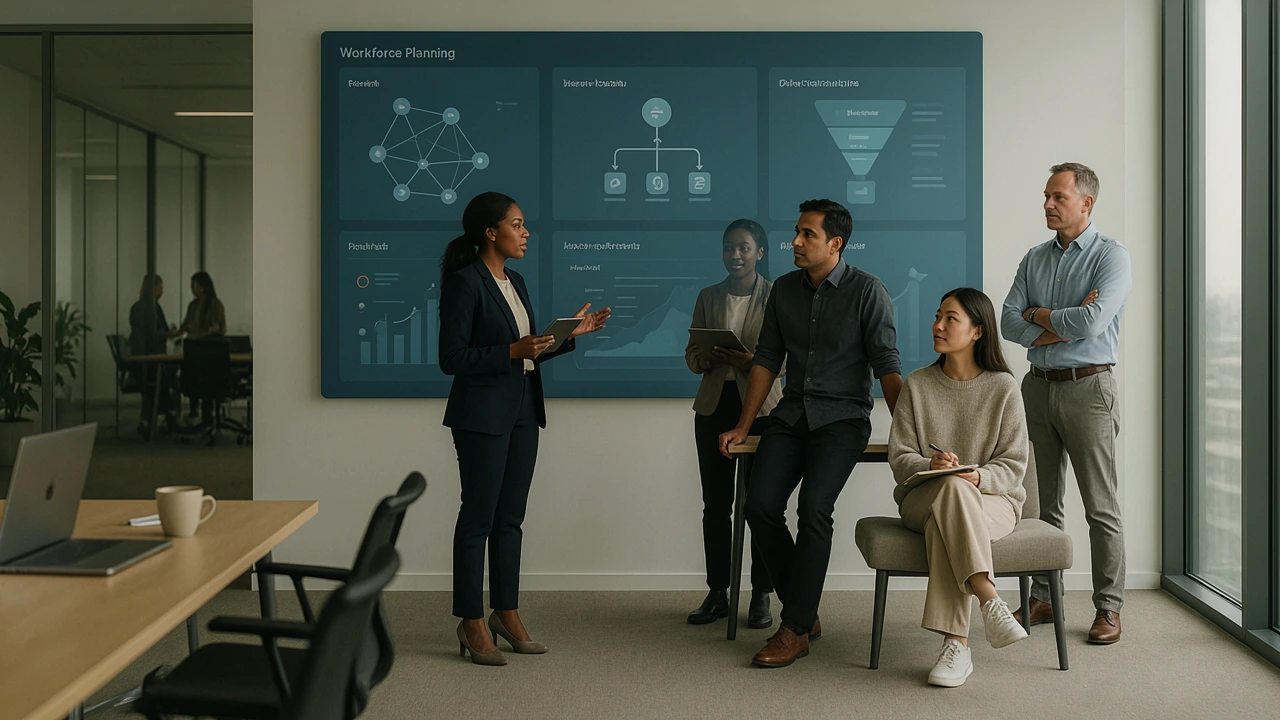
The UAE’s evolving business environment is creating new opportunities for Emirati professionals to take on leadership roles across industries. As organizations adapt to digital transformation, changing workforce expectations, and new business priorities, developing local leadership talent has become an important part of long term workforce planning.
Learning and development, commonly known as L&D, helps organizations prepare employees for these responsibilities. Rather than relying only on external recruitment, businesses can identify promising Emirati professionals, strengthen their capabilities, and create clear pathways toward management positions. Consequently, leadership development becomes a practical investment in organizational resilience and sustainable growth.
For HR teams, the challenge is not simply delivering training. It is building the confidence, judgment, and business knowledge that future leaders need to make effective decisions.
How L&D Builds Future Emirati Leaders
Effective Emirati leadership development starts with understanding individual strengths and identifying the capabilities required for future roles. Employees may need support in strategic thinking, financial decision making, communication, conflict resolution, or team management. Therefore, learning programs should reflect real workplace responsibilities rather than focus exclusively on theoretical knowledge.
Structured leadership academies, mentoring relationships, coaching sessions, and cross functional assignments can help bridge this gap. For example, an emerging leader might work with different departments to understand how finance, operations, human resources, and customer experience contribute to business performance.
Moreover, practical assignments allow participants to apply what they learn while receiving feedback from experienced managers. Over time, this combination of education and workplace experience can improve leadership confidence and readiness.
Connecting Emirati Talent Development With Business Goals
Leadership programs deliver greater value when they support measurable business priorities. HR teams should work with senior management to identify the skills that the organization will need over the coming years. These requirements may include digital leadership, innovation, commercial awareness, change management, and people development.
In addition, succession planning can help businesses identify roles where leadership continuity is particularly important. By assessing current capabilities against future requirements, employers can create targeted development plans for employees who demonstrate potential.
These workplace management strategies also help organizations make better decisions about internal promotions and external recruitment. Instead of treating leadership training as an isolated HR activity, businesses can connect employee development with productivity, retention, and long term workforce stability.
The Role of Mentoring and Employee Engagement
Leadership skills develop through experience as well as formal education. For this reason, mentoring and coaching should form an important part of Emirati leadership development initiatives.
Experienced leaders can share practical knowledge, explain how they approach difficult decisions, and help emerging managers navigate workplace challenges. Meanwhile, regular coaching conversations allow employees to reflect on their progress and identify areas for improvement.
Employee engagement research also highlights the importance of meaningful career opportunities, recognition, and supportive management. When Emirati professionals understand how development programs connect with their career ambitions, they may feel more motivated to participate and apply their learning.
However, organizations should avoid assuming that every employee has identical aspirations. Individual career conversations help HR teams design relevant learning experiences while respecting different strengths, interests, and professional goals.
Digital tools are expanding the ways organizations develop future leaders. Learning management systems, virtual classrooms, online leadership courses, and AI supported learning platforms can make training more accessible and adaptable.
For instance, employees can complete short modules on negotiation, decision making, or performance management before applying these skills in real workplace situations. Furthermore, learning analytics can help HR teams understand participation, course completion, and assessment results.
Nevertheless, technology should complement rather than replace human interaction. Leadership requires empathy, accountability, sound judgment, and the ability to manage complex relationships. Therefore, digital learning works best when combined with mentoring, collaborative projects, and direct feedback.
These HR trends and insights reflect a wider shift toward personalized development. As future of work research continues to explore changing skill requirements, organizations can use workforce data to update their leadership programs and prepare employees for emerging responsibilities.
Aligning Talent Acquisition With Internal Development
Talent acquisition trends increasingly encourage organizations to consider how external hiring and internal career development work together. Recruiting experienced professionals can address immediate capability gaps. At the same time, developing Emirati employees internally can strengthen succession pipelines and preserve valuable organizational knowledge.
Consequently, HR teams should assess whether critical roles can be filled through existing talent before automatically looking outside the organization. This approach does not eliminate external recruitment. Instead, it creates a more balanced talent strategy that considers immediate needs alongside future leadership capacity.
Leadership development insights can also inform recruitment by identifying the competencies that successful managers require. When recruitment criteria, performance reviews, and training plans reflect the same capabilities, employees receive clearer guidance about career progression.
Measuring Leadership Development Outcomes
Organizations need to evaluate whether their investment in learning produces meaningful results. Course attendance alone does not demonstrate leadership readiness. Instead, HR teams should assess improvements in managerial performance, employee retention, internal promotion rates, and the successful completion of leadership assignments.
Additionally, feedback from participants, their managers, and team members can reveal how new skills influence daily workplace behavior. Regular assessments also help identify development gaps before employees move into more demanding positions.
Over time, these insights allow organizations to refine training content, allocate budgets more effectively, and demonstrate the business value of their L&D strategy.
Practical Insights for Building Leadership Talent
Businesses seeking to strengthen Emirati leadership pipelines should begin by identifying future critical roles and assessing the capabilities required to succeed in them. Next, HR teams should match employees with relevant development opportunities, including mentoring, practical assignments, and targeted training.
Most importantly, senior leaders should actively support these initiatives and give participants opportunities to demonstrate their abilities. Consistent evaluation can then reveal which programs are producing measurable improvements and where further investment is needed.
By connecting individual development with organizational goals, employers can create stronger succession plans and more resilient leadership teams.
HRInfoPro brings HR trends, workforce research, and practical talent management insights together to help organizations make informed people decisions. Reach out to HRInfoPro to explore fresh perspectives on leadership development, employee engagement, and building a future ready workforce.