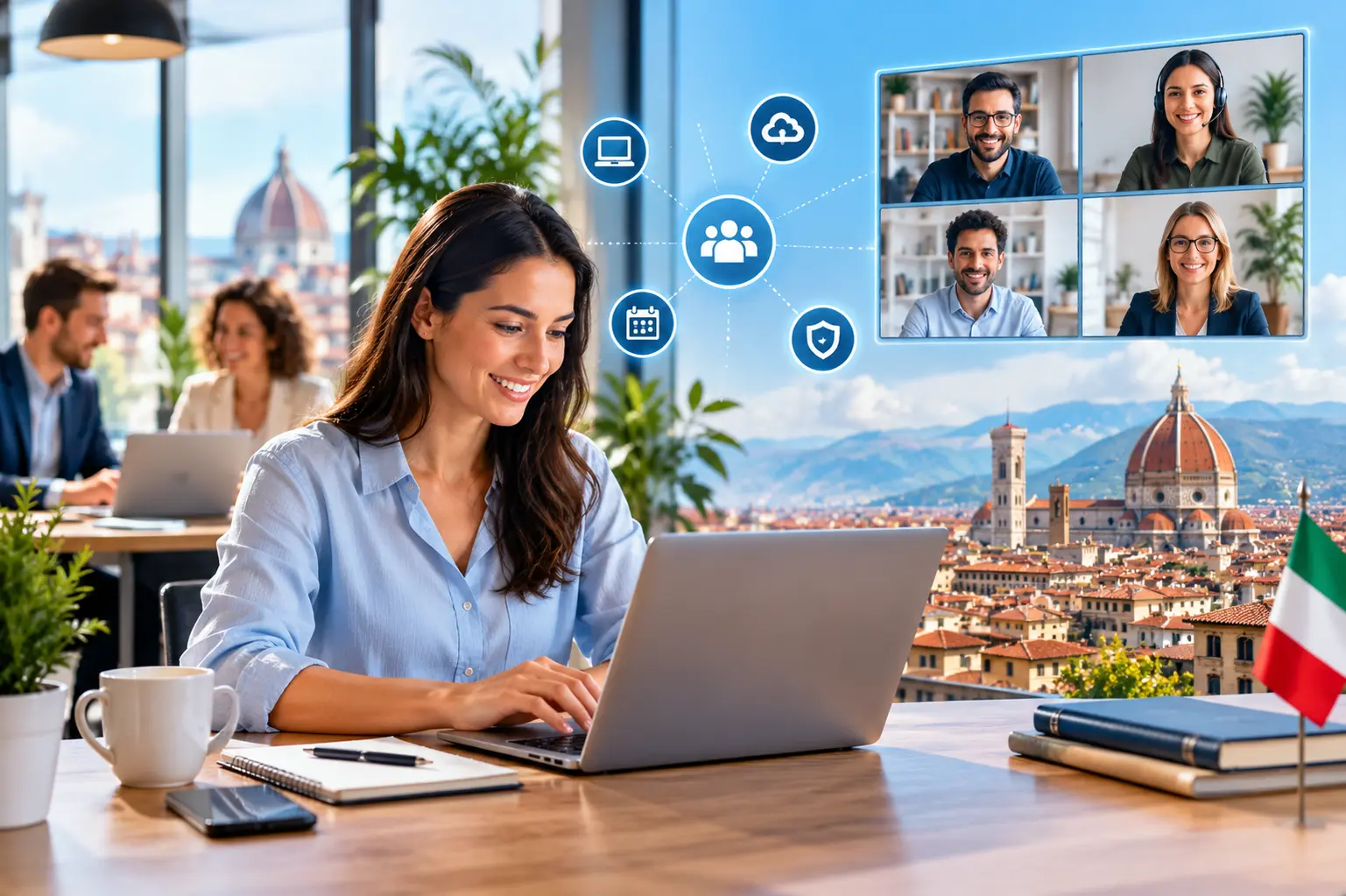
Smart working in Italy has become an important consideration for organizations seeking greater flexibility, improved productivity, and a more sustainable approach to workforce management. By combining remote work with in office collaboration, businesses can create working environments that meet organizational objectives while supporting employee needs.
However, successful hybrid work requires more than allowing employees to work from home. Companies need clear policies, reliable technology, effective communication, and a culture built on trust. As HR trends and insights continue to influence workplace decisions, Italian employers have an opportunity to develop hybrid models that attract talent and strengthen long term business performance.
Why Businesses Are Embracing Hybrid Work
Employees increasingly value flexibility, autonomy, and a healthier balance between professional and personal responsibilities. Meanwhile, employers want to maintain productivity, encourage collaboration, and control operating costs. A well designed hybrid model can help address these priorities together.
For Italian businesses, smart working can also expand access to talent beyond traditional commuting areas. This flexibility may support recruitment in competitive employment markets, particularly when candidates prioritize working arrangements alongside salary and career progression.
Furthermore, talent acquisition trends indicate why organizations should consider flexibility as part of their employer value proposition. Companies that communicate their workplace policies clearly can establish more realistic expectations and appeal to candidates whose working preferences align with business requirements.
Establish Clear Hybrid Work Policies
An effective hybrid work model begins with a practical and transparent policy. Employees should understand when they are expected to work remotely, when office attendance is necessary, and how their responsibilities will be evaluated.
Nevertheless, a successful policy should reflect the nature of each role. Employees who need access to physical equipment or direct customer contact may require different arrangements from professionals whose responsibilities are primarily digital. Therefore, workplace management strategies should balance consistency with operational flexibility.
Italian employers must also consider applicable employment legislation and collective agreements. Smart working arrangements generally require an individual written agreement under Italy’s legal framework, alongside relevant information about working conditions and health and safety responsibilities. Organizations should verify current obligations before implementing or changing their policies.
Invest in Technology and Digital Collaboration
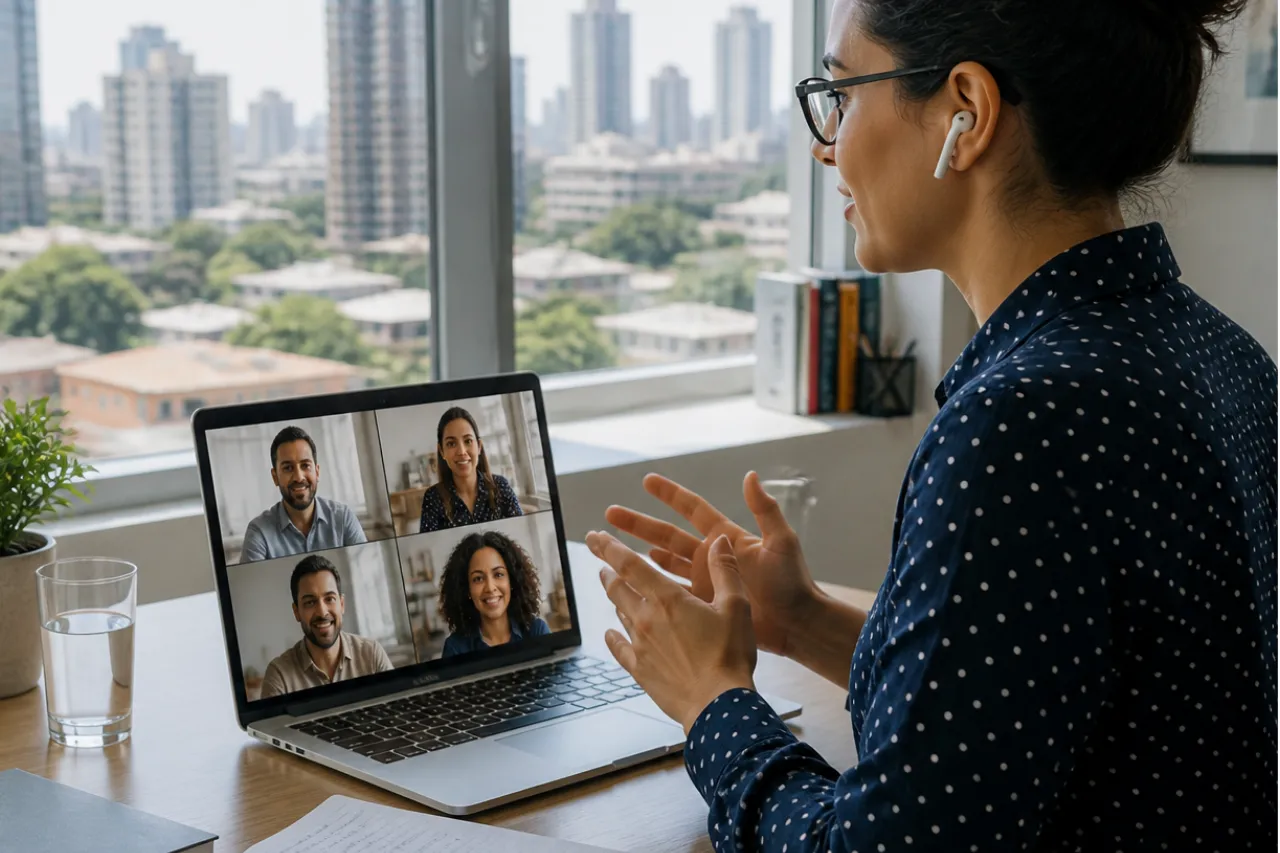
Technology plays a central role in connecting employees across office and remote environments. Secure cloud platforms, video conferencing, shared documents, and project management systems help teams exchange information and maintain visibility into ongoing work.
However, introducing more software does not automatically improve collaboration. Businesses should select tools that solve specific operational problems and integrate effectively with existing systems. Employees also need training so they can use these platforms confidently without creating unnecessary administrative work.
In addition, cybersecurity and data protection must remain priorities. Remote access controls, multifactor authentication, secure devices, and clear procedures for handling confidential information can reduce exposure to digital threats. As a result, technology investments should support both employee productivity and responsible information management.
Strengthen Employee Engagement and Communication
Maintaining employee engagement can become challenging when colleagues rarely share the same physical workspace. Without deliberate communication, employees may feel disconnected from their teams or miss opportunities to contribute to important decisions.
Regular one to one conversations, purposeful team meetings, and clear performance expectations help maintain strong working relationships. Equally important, managers should ensure remote employees have the same access to information, professional development, and recognition as their office based colleagues.
Employee engagement research can help HR teams identify what motivates their workforce and where improvements are needed. Rather than relying on assumptions, organizations can use employee feedback, engagement surveys, and retention data to refine their hybrid policies.
Moreover, managers should evaluate performance through meaningful outcomes instead of simply measuring online availability. This approach encourages accountability while giving employees greater ownership of their responsibilities.
Develop Leadership Skills for Hybrid Teams
Hybrid work changes how managers guide, motivate, and support employees. Traditional supervision based on physical presence becomes less useful when teams operate across different locations and schedules.
Consequently, leadership development insights can help organizations prepare managers to communicate expectations, resolve conflicts, provide constructive feedback, and build trust across distributed teams. Leaders must also recognize signs of overwork or isolation without compromising employee privacy.
A supportive management culture makes flexibility more effective. When employees feel trusted and understand how their contributions support wider business goals, they are better positioned to collaborate and take responsibility for results.
At the same time, future of work research can help HR professionals understand emerging workforce expectations and prepare leadership teams for evolving workplace practices.
An effective hybrid work model should deliver measurable business value. Companies can assess productivity, employee satisfaction, retention, absenteeism, collaboration quality, and office utilization to understand whether their arrangements are achieving the intended results.
However, these indicators should be interpreted together. Reduced office attendance, for example, does not necessarily indicate improved efficiency, just as longer working hours do not automatically mean better performance.
Businesses should gather feedback from employees and managers, identify recurring challenges, and make adjustments when necessary. Pilot programmes can be particularly useful because they allow organizations to test different schedules and collaboration practices before expanding them across the company.
Additionally, HR teams should review whether hybrid arrangements support equal access to career opportunities. Employees working remotely should not be overlooked for promotions, mentoring, or important projects simply because they have less physical visibility.
Practical Insights for Building a Sustainable Hybrid Workplace
Italian businesses can make smart working more effective by treating it as an ongoing management strategy rather than a one time policy change. Start by identifying which activities genuinely require office attendance and which can be completed remotely without affecting service quality.
Next, establish clear expectations, equip employees with appropriate technology, and train managers to lead through communication and measurable outcomes. Regularly review employee feedback alongside operational data to identify opportunities for improvement.
Most importantly, ensure that flexibility remains fair, secure, and compatible with applicable Italian employment requirements. A hybrid model that supports employee wellbeing while maintaining business accountability can become a valuable foundation for long term organizational resilience.
Build a Future Ready Workforce with HRInfoPro
Connect with HRInfoPro for practical HR insights, workplace management strategies, and guidance to help your organization develop an effective hybrid work model.
Visit HRInfoPro.com to explore workforce trends and discover ways to strengthen employee engagement, leadership, and workplace performance.