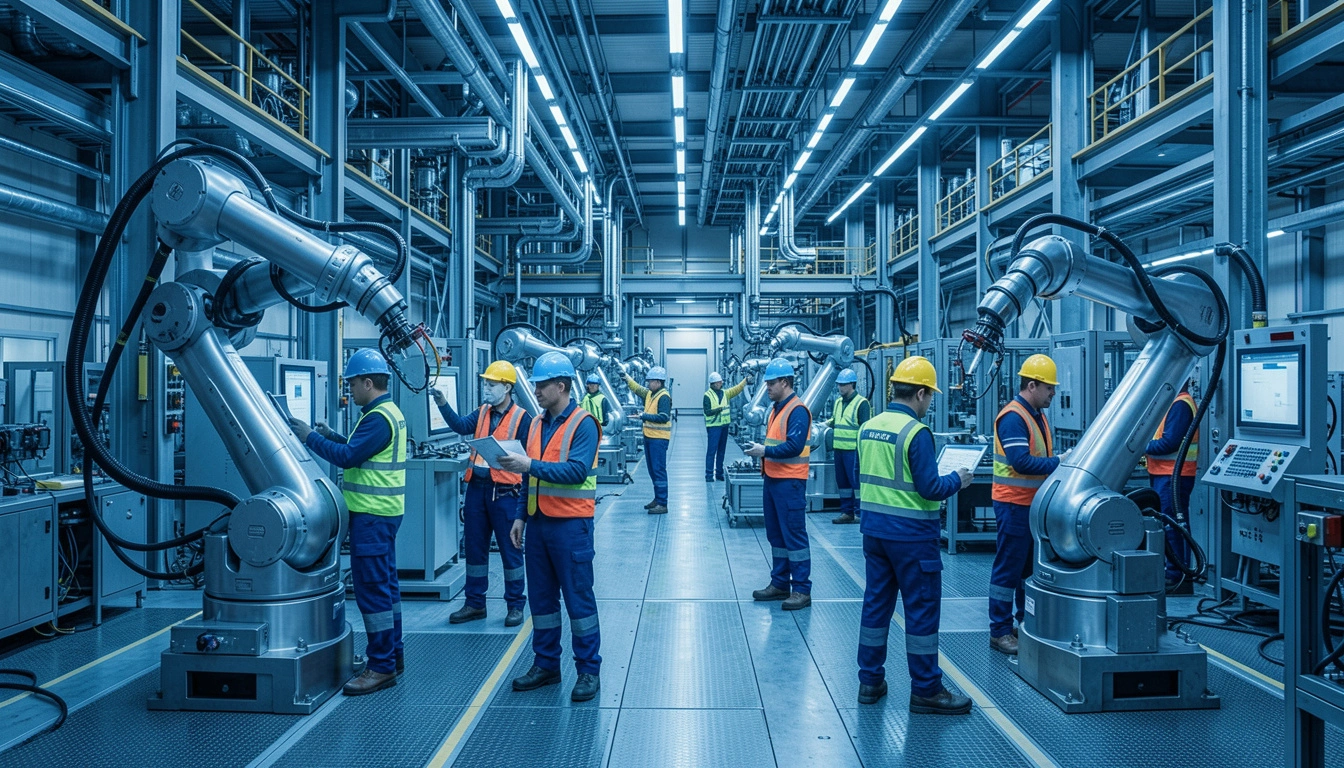
Factory productivity is no longer driven by machines alone. Across modern manufacturing environments, skilled employees and intelligent technology are working together to improve efficiency, reduce delays, and create more adaptable operations. As production systems become increasingly connected, the relationship between people and technology is becoming a major factor in determining how successfully factories perform.
The manufacturing sector is experiencing a significant transformation. Automation, artificial intelligence, connected equipment, and data analytics are changing how work gets done. However, technology delivers its greatest value when employees understand how to use it effectively. For this reason, organizations that invest in both their workforce and digital capabilities are better positioned to improve factory productivity over the long term.
Technology Is Reshaping Modern Manufacturing
Technology has become central to manufacturing performance. Smart machines can monitor production processes, identify irregularities, and provide real time information that helps teams respond faster. Meanwhile, artificial intelligence can analyze operational data and identify patterns that may otherwise remain unnoticed.
Automation can also reduce repetitive tasks and allow employees to focus on activities requiring judgment, creativity, and problem solving. Consequently, factories can achieve greater consistency while giving workers opportunities to develop more valuable technical skills.
However, successful technology adoption requires careful planning. Simply introducing sophisticated equipment does not guarantee better results. Employees need appropriate training, clear processes, and support throughout the transition.
Skilled Talent Remains a Competitive Advantage
Even highly automated factories depend on people. Employees operate equipment, interpret data, solve unexpected problems, maintain production standards, and make decisions when automated systems encounter situations outside their expected parameters.
Therefore, workforce capability has a direct connection with factory productivity. Organizations that continuously develop technical and analytical skills can create teams that are more confident when working with advanced manufacturing systems.
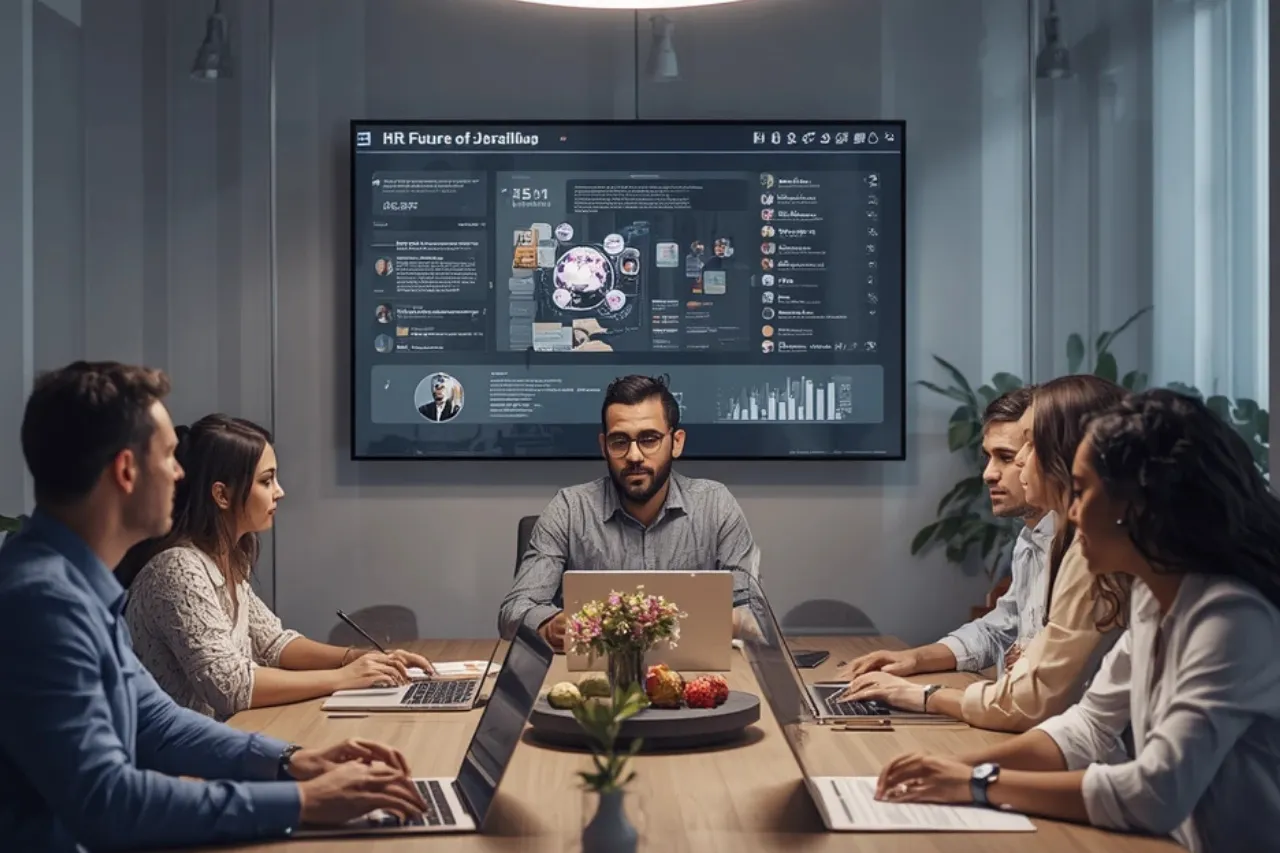
This shift is also influencing HR trends and insights. Human resources teams are increasingly expected to understand the skills required by technology driven workplaces and help organizations build those capabilities internally.
Employee Engagement Can Improve Production Outcomes
Technology alone cannot create an engaged workforce. Employees are more likely to contribute effectively when they understand how their work affects broader business objectives and when they have opportunities to participate in operational improvements.
Employee engagement research consistently highlights the importance of recognition, communication, growth opportunities, and meaningful work. In manufacturing environments, these factors can influence attendance, productivity, retention, and willingness to adopt new processes.
Furthermore, involving employees when implementing new technology can reduce resistance. When workers understand why a new system is being introduced and how it can make their jobs easier or safer, adoption can become much smoother.
Training Is Becoming a Strategic Investment
As factories become more digital, traditional manufacturing skills are being combined with knowledge of software, data, robotics, and connected systems. This creates an ongoing need for workforce development.
Rather than relying exclusively on external hiring, companies can strengthen internal capabilities through structured learning programs. Upskilling existing employees can preserve valuable operational knowledge while preparing workers for changing responsibilities.
At the same time, Talent acquisition trends show increasing competition for people with specialized technical abilities. Organizations that combine strong recruitment with continuous development can create a more sustainable talent pipeline.
Leadership Has a Critical Role
Technology transformation requires effective leadership. Managers need to communicate clearly, establish realistic expectations, and help teams understand how operational changes support business objectives.
Strong leadership can also create an environment where employees feel comfortable reporting problems and suggesting improvements. This matters because frontline workers often have valuable knowledge about production challenges that may not appear in performance dashboards.
Leadership development insights therefore have growing relevance in manufacturing. Leaders who can combine operational expertise with people management and digital awareness are better equipped to guide teams through technological change.
Workplace Management Is Becoming More Data Driven
Modern factories generate enormous amounts of operational information. Managers can use this data to monitor production efficiency, identify bottlenecks, evaluate equipment performance, and understand workforce requirements.
Consequently, workplace management strategies are becoming more analytical. Instead of relying solely on assumptions or historical practices, leaders can use real time information to make faster and more informed decisions.
Nevertheless, data should support human decision making rather than replace it completely. Experienced employees can provide context that automated systems may not capture, particularly when unusual production conditions occur.
Safety and Technology Can Work Together
Improving productivity should never come at the expense of workplace safety. Fortunately, connected technologies can support both objectives. Sensors, monitoring systems, predictive maintenance tools, and automated equipment can help identify potential risks before they become serious problems.
When employees receive the right training, technology can also reduce exposure to repetitive or hazardous activities. As a result, factories can create safer working environments while improving operational consistency.
This combination of safety, technology, and workforce development reflects the broader direction of Future of work research, where human capabilities and intelligent systems are increasingly viewed as complementary rather than competing forces.
Building the Factory Workforce of Tomorrow
The future manufacturing workforce will require a broader combination of technical and human capabilities. Employees may need to understand automated systems while also demonstrating communication, adaptability, critical thinking, and problem solving.
For HR leaders, this means workforce planning must evolve alongside technology investments. Hiring strategies, learning programs, career development, and employee engagement initiatives should all reflect the skills that future production environments will require.
Moreover, organizations that create clear career pathways can make technology transformation more attractive to employees. Workers are more likely to embrace change when they can see how developing new skills can contribute to their professional growth.
Valuable Insights for Better Factory Performance
The strongest path toward higher factory productivity is not choosing between people and technology. It is creating an environment where both strengthen each other. Companies should evaluate technology investments alongside workforce capabilities, training requirements, employee experience, and leadership readiness.
Factory leaders can begin by identifying repetitive processes that technology can improve while simultaneously determining which human skills will become more important. From there, targeted training and transparent communication can help employees adapt with confidence.
Ultimately, productivity improvements become more sustainable when technology makes work smarter and talent makes technology more effective. Organizations that understand this connection can build manufacturing operations that are efficient, resilient, and prepared for continued change.
Stay ahead with practical HR trends and insights that connect workforce strategy with technology and business performance.
Reach out to HRInfoPro for informed perspectives on talent, leadership, employee engagement, and the future of work.