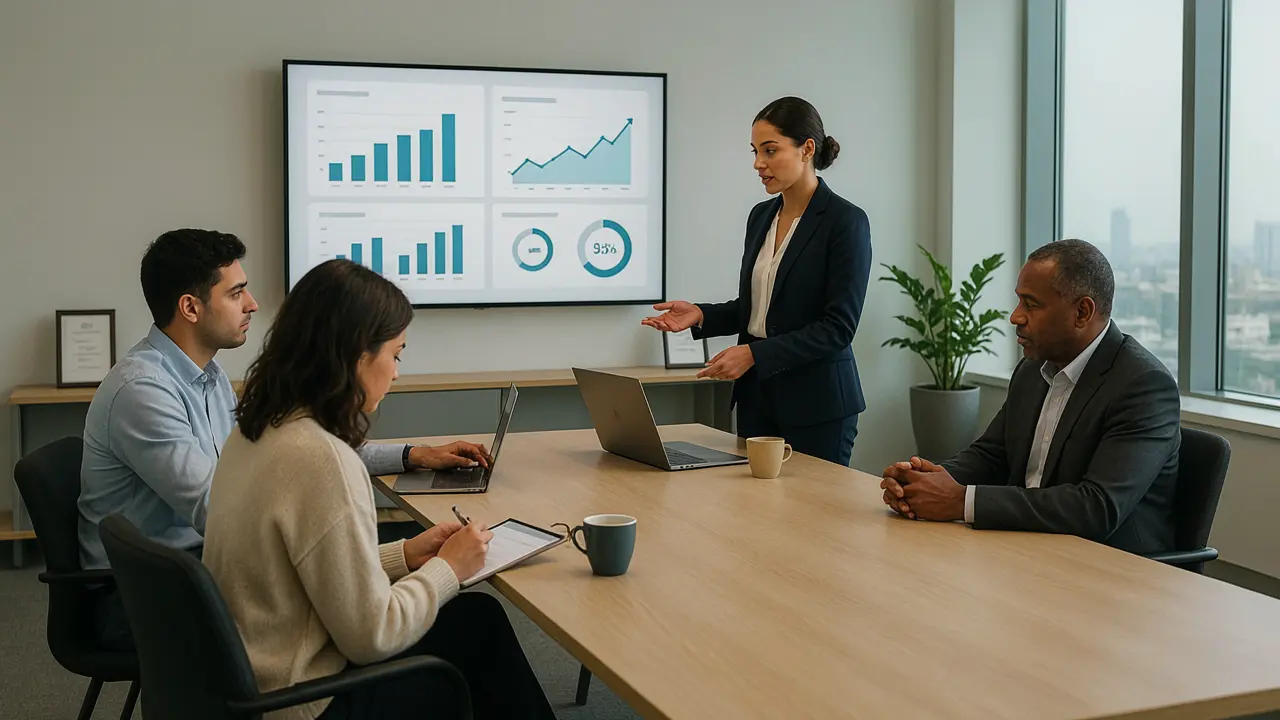
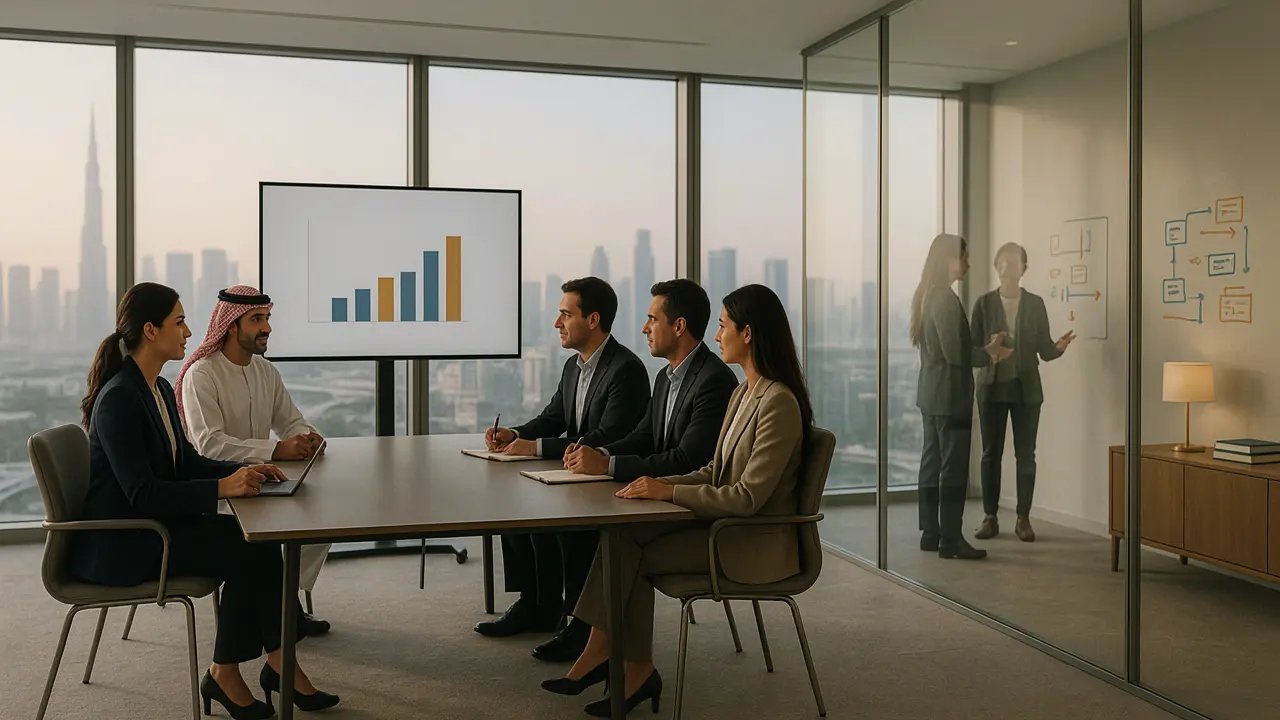
The workplace is changing faster than many organizations expected. Artificial intelligence, automation, digital collaboration and evolving customer expectations are transforming how employees perform their roles. As a result, businesses are placing greater emphasis on skills that can remain valuable even as technology continues to develop.
The 2026 Guide to Future Skills highlights how organizations can prepare their workforce for this changing environment. Rather than focusing only on technical knowledge, employers are increasingly looking for a combination of digital capability, adaptability, communication, critical thinking and continuous learning.
For HR professionals, this shift creates an opportunity to rethink recruitment, training and employee development. Moreover, it connects closely with broader HR trends and insights surrounding workforce transformation.
Digital Skills Are Becoming Essential
Technology is now part of almost every professional role. Employees may not need to become software developers, but they increasingly need to understand digital tools and use them effectively.
Artificial intelligence literacy is becoming particularly important. Employees who understand how to work with AI systems, evaluate their output and apply them responsibly can contribute more effectively to technology driven workplaces.
At the same time, data literacy is gaining importance. Understanding basic data, identifying meaningful patterns and making informed decisions can help employees perform better across finance, marketing, operations, sales and human resources.
Adaptability Is a Critical Workplace Skill
Technical knowledge can become outdated quickly. Therefore, adaptability is becoming one of the most valuable capabilities for employees.
People who can learn new systems, adjust to changing responsibilities and respond constructively to uncertainty can help organizations remain resilient. Furthermore, adaptability supports continuous professional growth because employees become more comfortable developing new capabilities throughout their careers.
This makes learning culture an important part of modern Workplace management strategies. Organizations that encourage continuous development can create an environment where employees are better prepared for changing expectations.
Critical Thinking and Problem Solving
As businesses gain access to increasingly sophisticated technology, human judgment remains important. Employees must be able to question information, identify potential problems and make thoughtful decisions.
Critical thinking is particularly valuable when employees work with AI generated information. Technology can support analysis, but people still need to evaluate accuracy, context and potential consequences.
Consequently, employers are increasingly looking beyond qualifications when assessing candidates. Problem solving, reasoning and decision making can become important indicators of how effectively someone may respond to unfamiliar situations.
Communication and Collaboration Still Matter
Technology has changed how teams communicate, but strong interpersonal skills remain essential. Remote and hybrid work environments require employees to communicate clearly across different locations, schedules and working styles.
Effective collaboration also requires listening, empathy and the ability to explain complex ideas in an understandable way. In addition, employees need to build productive relationships when much of their interaction takes place through digital platforms.
Recent Employee engagement research also highlights the importance of meaningful communication and connection in maintaining a positive employee experience.
Creativity and Innovation Are Gaining Value
Automation can handle many repetitive tasks, allowing employees to spend more time on activities requiring creativity and judgment. As a result, innovative thinking is becoming increasingly valuable.
Creative employees can identify new opportunities, develop better processes and approach challenges from different perspectives. Importantly, creativity does not belong only to traditionally creative professions. It can contribute to everything from customer service and recruitment to financial planning and technology development.
Organizations can encourage this capability by creating environments where employees have opportunities to experiment, share ideas and learn from unsuccessful attempts.
Leadership Skills Are Evolving
Future leaders will need more than traditional management capabilities. They will increasingly be expected to guide teams through technological change while maintaining trust, motivation and productivity.
Strong leaders must understand how workplace technology affects employees and how organizational changes influence team performance. Additionally, they need to communicate expectations clearly and support employees as responsibilities evolve.
These developments make Leadership development insights increasingly relevant for organizations planning their workforce strategies for the coming years.
The Future of Talent Acquisition
Recruitment is also changing as employers rethink what makes a candidate valuable. Traditional qualifications remain relevant, but organizations are increasingly interested in transferable skills and the ability to learn.
Consequently, Talent acquisition trends are moving toward broader assessments of candidate capability. Employers may place greater emphasis on problem solving, adaptability, digital awareness and communication rather than relying entirely on previous job titles or specific experience.
This approach can also help organizations identify candidates with potential for future roles rather than hiring exclusively for immediate requirements.
Building a Future Ready Workforce
Preparing employees for the future requires more than occasional training sessions. Organizations need to make learning a continuous part of the employee experience.
Businesses can begin by identifying the capabilities that will become important over the next several years. They can then compare those requirements with existing workforce skills and develop targeted learning opportunities.
Moreover, managers should have regular conversations with employees about career development. Providing access to learning resources, mentoring and practical projects can help employees build confidence while applying new skills.
This approach aligns with Future of work research, which increasingly examines how organizations can balance technological progress with human capabilities.
Actionable Insights for HR Leaders
HR teams should begin by identifying the skills that are most closely connected to their organization’s future business objectives. Once these capabilities are established, recruitment and development programs can be aligned around them.
Next, organizations should evaluate whether existing employees have sufficient opportunities to develop new skills. Internal mobility, mentoring and practical learning can help close capability gaps while also supporting retention.
Finally, businesses should regularly review their skills strategy because technology and workplace expectations will continue to evolve. A future ready workforce is not created through one initiative. Instead, it develops through continuous learning, effective leadership and a willingness to adapt.
Stay informed about changing workforce expectations, emerging skills and workplace developments with HRInfoPro’s practical perspectives and HR trends and insights.
Reach out to HRInfoPro for valuable insights that can help your organization build stronger people strategies for the evolving world of work.