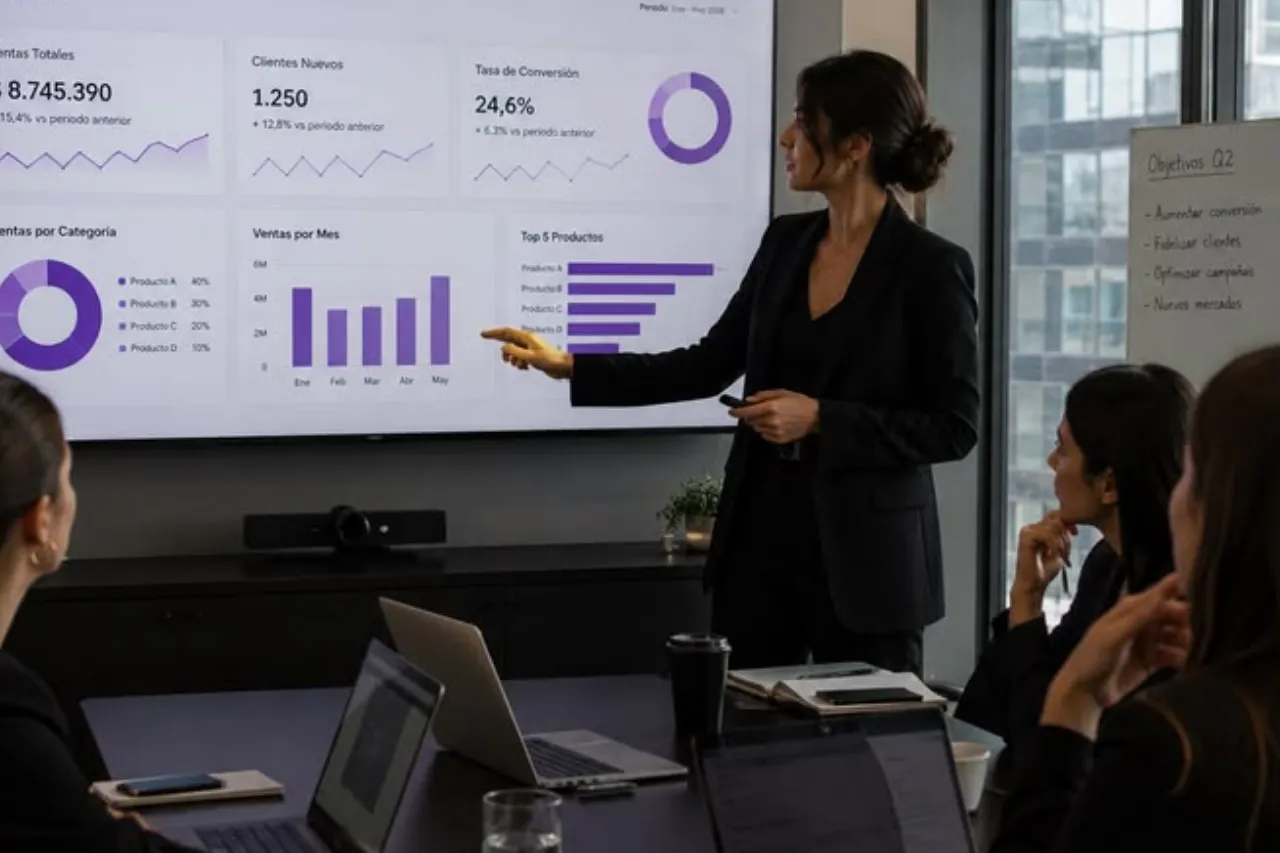
Employee engagement has become an increasingly important priority for German employers as organisations navigate changing workforce expectations, skills shortages and digital transformation. Businesses are recognising that employee satisfaction cannot be improved through assumptions alone. Instead, they need reliable workforce information to understand what motivates employees, identify workplace challenges and create better working environments.
Consequently, people analytics is gaining importance across Germany’s human resources landscape. By examining employee feedback, performance patterns, workforce data and retention trends, companies can make more informed decisions about their people. This approach also allows HR departments to move beyond traditional administration and contribute more directly to business performance.
People Analytics Changes How German Employers Understand Employees
German organisations are increasingly exploring data driven HR practices to understand employee behaviour and workplace experiences. People analytics helps employers identify patterns that might otherwise remain unnoticed in conventional employee surveys or performance reviews.
For instance, analysing employee feedback alongside absence rates, turnover patterns and internal mobility can reveal potential problems within specific departments. Moreover, organisations can examine whether workload distribution, management practices or limited career opportunities are affecting employee satisfaction.
As a result, HR teams can respond to workplace concerns with more targeted solutions. Rather than introducing broad engagement programmes, they can focus on the factors that have the greatest influence on employee experiences.
These developments are becoming an important part of HR trends and insights as German businesses look for practical ways to build more responsive workplaces.
Employee Engagement Becomes a Data Driven Priority
Employee engagement is influenced by several factors, including workplace culture, leadership quality, career development and recognition. However, identifying which factors matter most requires consistent information and meaningful analysis.
People analytics allows employers to combine survey responses with operational workforce data to develop a clearer understanding of employee expectations. For example, declining engagement scores within a particular team may indicate management challenges, communication gaps or excessive workloads.
Furthermore, analysing employee feedback over time helps HR professionals understand whether workplace initiatives are producing meaningful improvements.
This information can also strengthen employee engagement research by providing organisations with measurable indicators of workforce satisfaction and organisational commitment.
Nevertheless, data should support conversations rather than replace them. Managers still need to listen to employees, understand individual circumstances and create opportunities for honest feedback.
Artificial Intelligence and HR Technology Support Workforce Insights
Digital transformation is expanding the capabilities of modern HR departments. Advanced analytics platforms and artificial intelligence tools can process large volumes of workforce information, identify emerging patterns and help organisations anticipate potential challenges.
For German employers, these technologies can support workforce planning, recruitment decisions and employee retention initiatives. For example, predictive analytics may help HR teams identify departments experiencing increased turnover risks. Consequently, managers can investigate underlying issues and introduce appropriate support measures before valuable employees leave.
Additionally, integrated HR platforms can connect recruitment, performance management, learning and employee feedback systems. This creates a more comprehensive view of workforce performance.
However, technology adoption requires careful implementation. Employers must ensure that analytical systems are accurate, transparent and aligned with applicable data protection requirements. In particular, GDPR compliance and employee privacy must remain central considerations when processing personal information.
Better Workplace Management Through Employee Data
Workplace management strategies are becoming more evidence based as employers seek to improve productivity without overlooking employee wellbeing.
People analytics can help organisations understand how flexible working arrangements, hybrid schedules and team structures influence employee experiences. For example, companies can examine whether employees working remotely have equal access to professional development and leadership opportunities.
Similarly, workforce information can highlight differences in workload distribution and collaboration across departments. These insights allow managers to make adjustments that improve communication and create more balanced working environments.
Moreover, organisations can use employee feedback to evaluate the effectiveness of workplace policies. This is particularly relevant for businesses managing multigenerational teams with different professional expectations.
Ultimately, effective workforce management requires a balance between measurable performance and individual employee needs.
Talent Retention and Leadership Development Gain New Insights
Employee retention is another area where workforce analytics can provide significant value. Recruitment and replacement costs can place considerable pressure on businesses, particularly in sectors experiencing shortages of specialised talent.
By examining turnover patterns, internal promotions and employee development records, HR departments can identify potential retention challenges. Furthermore, this information can help organisations understand whether employees have sufficient opportunities to progress within their careers.
These findings also connect with wider talent acquisition trends. Employers can use workforce data to identify the skills they need, evaluate recruitment outcomes and improve their approach to attracting suitable candidates.
At the same time, leadership development insights can help organisations assess management effectiveness and identify areas where additional training may be beneficial.
Consequently, people analytics supports a more connected approach to recruitment, development and long term workforce planning.
Data Privacy and Employee Trust Remain Essential
Although workforce analytics offers considerable opportunities, collecting employee information also creates responsibilities.
German employers must consider GDPR requirements and applicable workplace data protection rules when designing analytical programmes. In addition, employee monitoring and automated decision making can raise concerns about transparency, fairness and individual privacy.
Therefore, organisations should communicate clearly about what information they collect, why it is needed and how it will be used. Access controls, appropriate data minimisation and responsible governance can help reduce unnecessary exposure of personal information.
Importantly, employee trust should remain a central consideration. Analytics initiatives are more likely to gain acceptance when employees understand that the purpose is to improve working conditions rather than introduce excessive surveillance.
This balance will become increasingly important as future of work research explores the relationship between digital technologies, workforce expectations and organisational performance.
Strategic Insights for HR Leaders
German employers looking to improve engagement through workforce analytics should begin by identifying the workplace challenges they want to understand. Collecting large amounts of information without a clear objective can create unnecessary complexity.
Instead, HR leaders should connect employee feedback with relevant indicators such as retention, absenteeism, internal mobility and professional development. Regularly reviewing these measures can reveal where workplace improvements are needed.
Furthermore, organisations should involve managers and employees when interpreting findings. Data can highlight patterns, but meaningful progress depends on understanding the reasons behind them.
Businesses should also establish clear privacy standards and communicate the benefits of analytics initiatives. By combining responsible technology adoption with transparent leadership and consistent employee feedback, employers can create more supportive and productive workplaces.
As people analytics continues to evolve, its greatest value will come from turning workforce information into practical decisions that improve both employee experiences and organisational outcomes.
Explore the latest HR trends, workforce strategies and people management developments with HRInfoPro, your destination for informed human resource insights. Connect with HRInfoPro to discover practical perspectives that help organisations build engaged, resilient and future ready workforces.