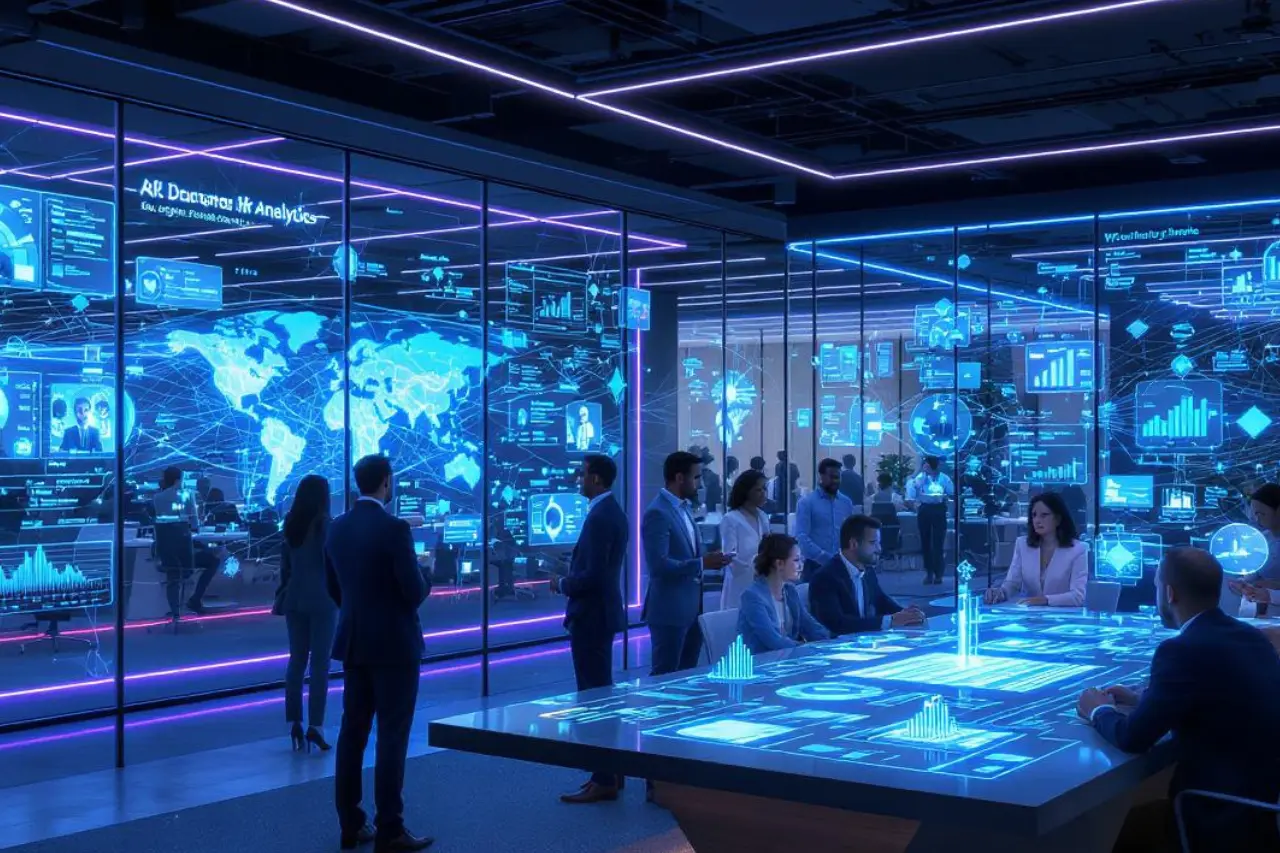
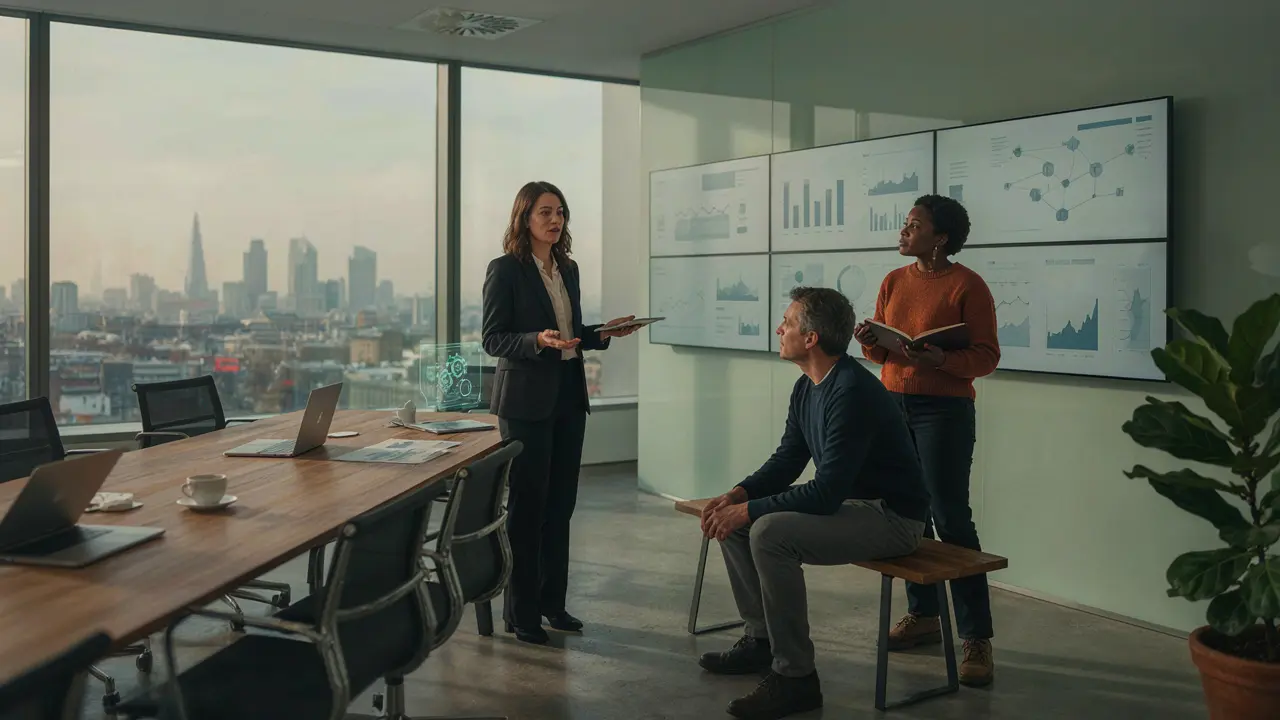
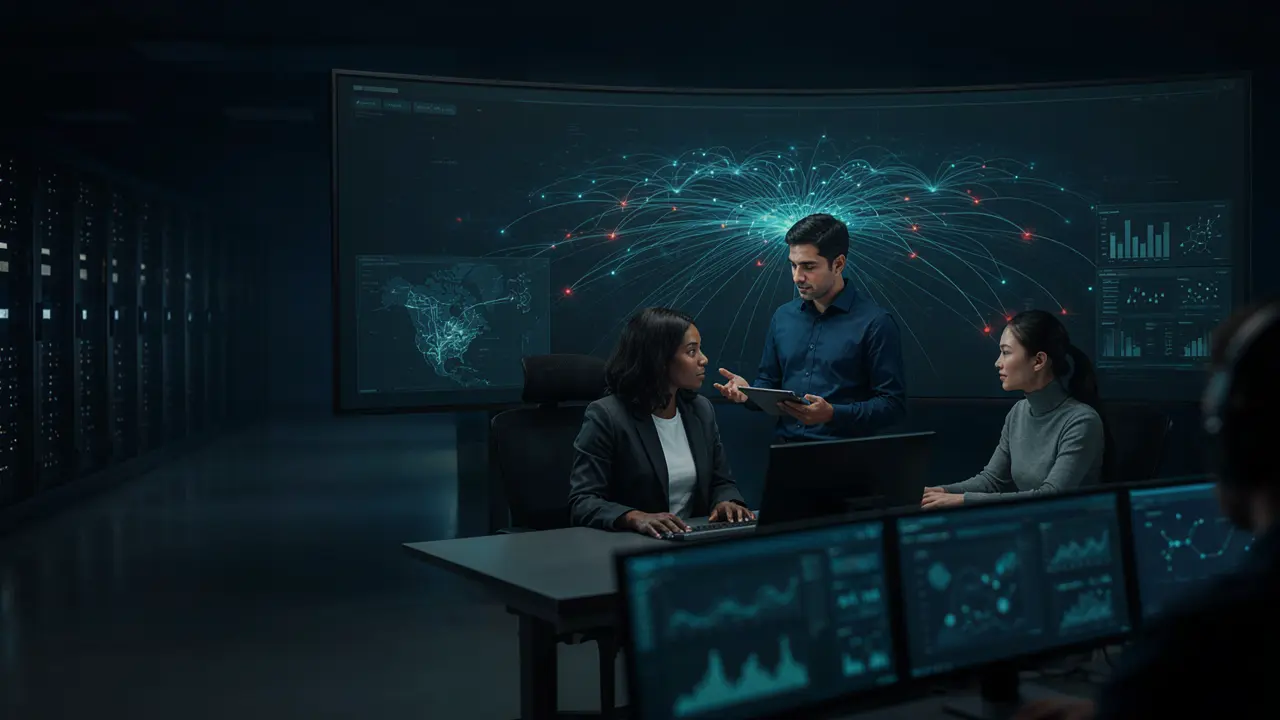
Organizations around the world are entering a period of rapid transformation. As businesses adapt to technological innovation and shifting employee expectations, leaders are looking closely at HR Predictions for 2026 Trends Shaping the Future Workplace. These insights help companies prepare for emerging challenges while also identifying new opportunities for growth and innovation.
The modern workplace is no longer defined by rigid structures or traditional hierarchies. Instead, flexibility, digital transformation, and human centered leadership are shaping the next phase of organizational development. As a result, HR professionals are rethinking workplace management strategies to create environments that support both productivity and employee wellbeing.
At the same time, companies are investing heavily in HR trends and insights to understand how workforce expectations continue to evolve. From hybrid work models to new approaches in performance management, the future workplace is becoming more adaptive, responsive, and people focused.
Technology and Human Collaboration
One of the most significant themes within HR Predictions for 2026 Trends Shaping the Future Workplace is the expanding role of technology in everyday work. Artificial intelligence, automation, and advanced analytics are already influencing how HR teams operate. However, rather than replacing human expertise, these tools are strengthening decision making and improving strategic planning.
For example, employee engagement research is increasingly powered by real time data that allows HR teams to measure satisfaction and productivity more accurately. With deeper insights, organizations can respond quickly to employee concerns and develop more effective workplace management strategies.
Meanwhile, digital platforms are transforming how teams collaborate. Remote work technology, cloud based communication tools, and intelligent workforce analytics are making it easier for organizations to build connected teams regardless of physical location. Consequently, businesses that embrace these innovations are more likely to create agile workplaces that adapt to change quickly.
Evolving Talent Acquisition Strategies
Another key area highlighted in HR Predictions for 2026 Trends Shaping the Future Workplace is the transformation of talent acquisition. As competition for skilled professionals increases, organizations must rethink how they attract and retain top talent.
Talent acquisition trends show that candidates now prioritize flexibility, career development opportunities, and meaningful work environments. Because of this shift, companies are focusing on employer branding and transparent communication to strengthen their recruitment strategies.
Furthermore, future of work research indicates that hiring practices are becoming more skills focused rather than strictly credential based. Employers are placing greater emphasis on capabilities, adaptability, and learning potential when evaluating candidates. This approach allows businesses to build more diverse and resilient teams.
As recruitment continues to evolve, HR leaders are also adopting advanced analytics to predict hiring needs and workforce trends. These insights help organizations anticipate talent shortages and develop proactive hiring strategies that align with long term business goals.
The Rising Importance of Employee Experience
Employee experience is becoming a central focus within HR Predictions for 2026 Trends Shaping the Future Workplace. Employees today expect more than compensation and job security. They seek purpose, recognition, and opportunities for continuous development.
Employee engagement research consistently shows that individuals perform better when they feel connected to their organization’s mission and values. Therefore, companies are redesigning workplace cultures to prioritize inclusivity, transparency, and collaboration.
In addition, organizations are using HR trends and insights to understand what motivates employees in different roles and regions. These insights guide initiatives that improve wellbeing, strengthen communication, and encourage professional growth.
At the same time, flexible work arrangements are redefining the employee experience. Hybrid schedules, remote work options, and outcome based performance evaluations are helping employees maintain a healthier balance between professional and personal responsibilities.
Leadership expectations are also changing rapidly, which is why leadership development insights play a crucial role in HR Predictions for 2026 Trends Shaping the Future Workplace. Traditional command and control leadership styles are gradually being replaced by collaborative and empathetic approaches.
Modern leaders are expected to support innovation while also maintaining strong relationships with their teams. As a result, leadership development programs now emphasize emotional intelligence, adaptability, and strategic thinking.
Future of work research suggests that organizations with strong leadership cultures are better prepared to navigate uncertainty. Effective leaders create trust within teams, encourage open communication, and inspire employees to contribute ideas that drive innovation.
Consequently, companies are investing in leadership training that prepares managers to guide diverse and distributed teams. This shift reflects the growing recognition that leadership quality directly influences employee engagement and organizational performance.
Data Driven Decision Making in HR
Another powerful element within HR Predictions for 2026 Trends Shaping the Future Workplace is the growing reliance on data. HR departments are increasingly using analytics to guide strategic decisions related to workforce planning, employee engagement, and talent development.
Through advanced workforce analytics, organizations can identify patterns that influence productivity and retention. These insights allow HR professionals to design workplace management strategies that address potential challenges before they escalate.
In addition, predictive analytics helps companies forecast workforce trends and evaluate the effectiveness of HR initiatives. When organizations integrate these insights into decision making processes, they gain a stronger ability to adapt to market changes and workforce expectations.
Ultimately, data driven HR practices are transforming how organizations approach workforce planning and employee development.
Practical Insights for Building the Future Workplace
Organizations that want to succeed in the next era of work should focus on developing strategies that balance technology with human connection. HR Predictions for 2026 Trends Shaping the Future Workplace highlight the importance of adaptable leadership, continuous learning, and employee centered workplace design.
Companies can benefit by aligning workplace management strategies with insights drawn from employee engagement research and future of work research. When organizations actively listen to employees and integrate HR trends and insights into strategic planning, they create environments that foster innovation and resilience.
At the same time, businesses should continuously refine talent acquisition trends and leadership development insights to ensure their workforce remains competitive in an evolving global economy.
Strong workplace cultures are built through consistent learning, open communication, and strategic planning that values both people and performance.
HRInfoPro helps organizations navigate the evolving world of human resources with expert insights and practical guidance. Connect with HRInfoPro to discover innovative strategies that will shape the future of your workplace.