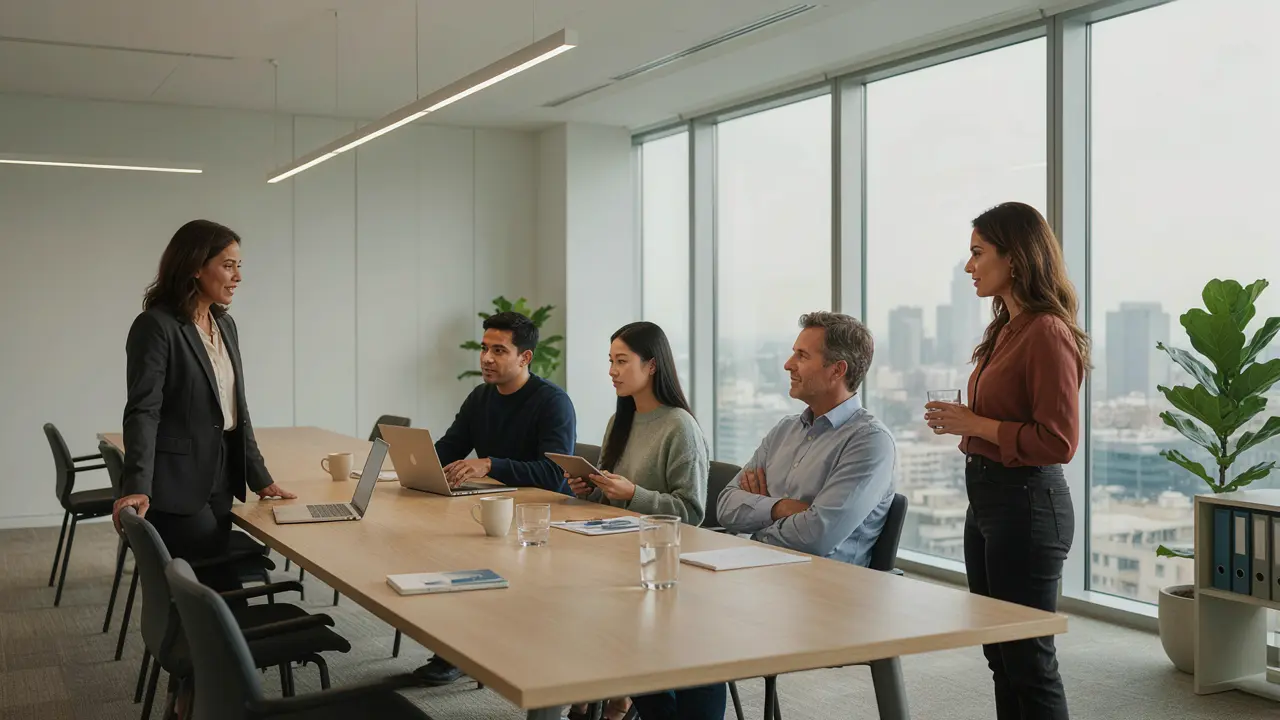
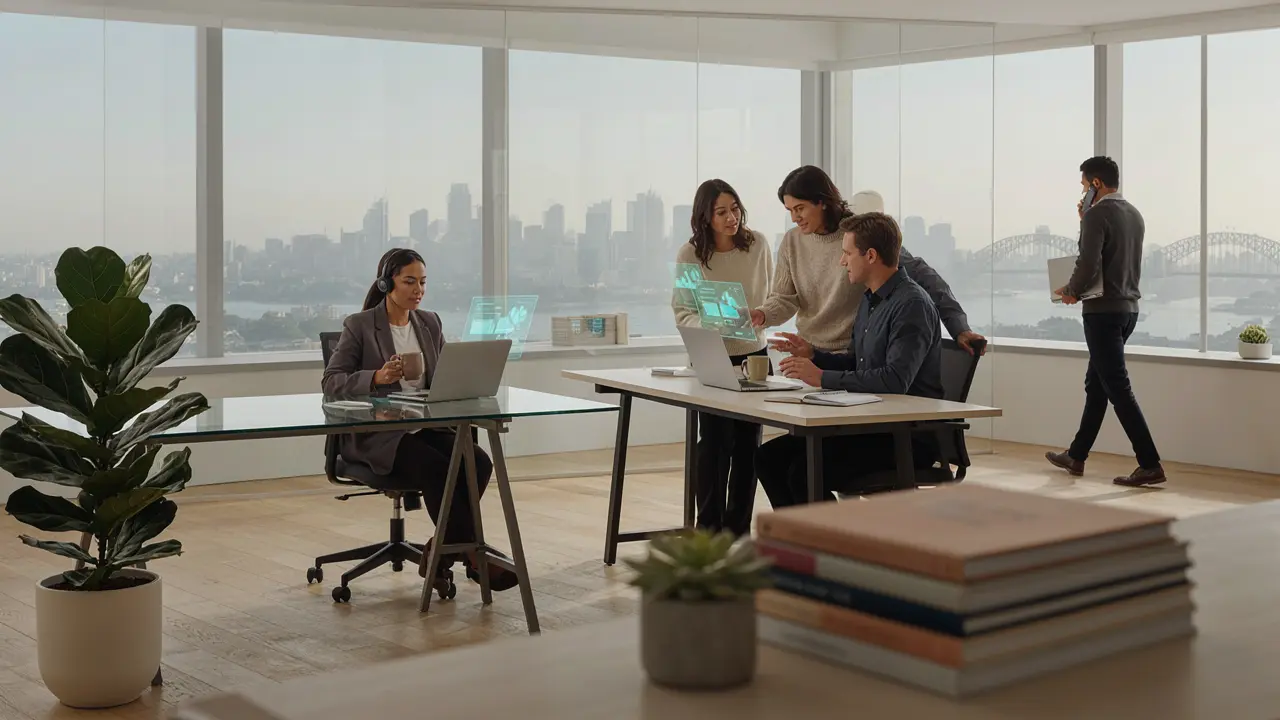
The modern workplace is evolving at a rapid pace as organizations respond to changing employee expectations and business demands. At the center of this transformation is a growing understanding of why office design must focus on learning and well being. Companies are no longer viewing offices as static spaces but as dynamic environments that influence performance creativity and retention.
As organizations embrace new HR trends and insights, they are realizing that physical workspaces play a critical role in shaping employee experiences. A thoughtfully designed office can encourage collaboration reduce stress and promote continuous development. Therefore businesses that invest in intentional design are better positioned to attract and retain top talent.
The Shift Toward Human Centered Workspaces
In recent years there has been a clear shift toward human centered design principles. This shift highlights why office design must focus on learning and well being as a core strategy rather than an afterthought. Employees today seek environments that support both their professional growth and personal health.
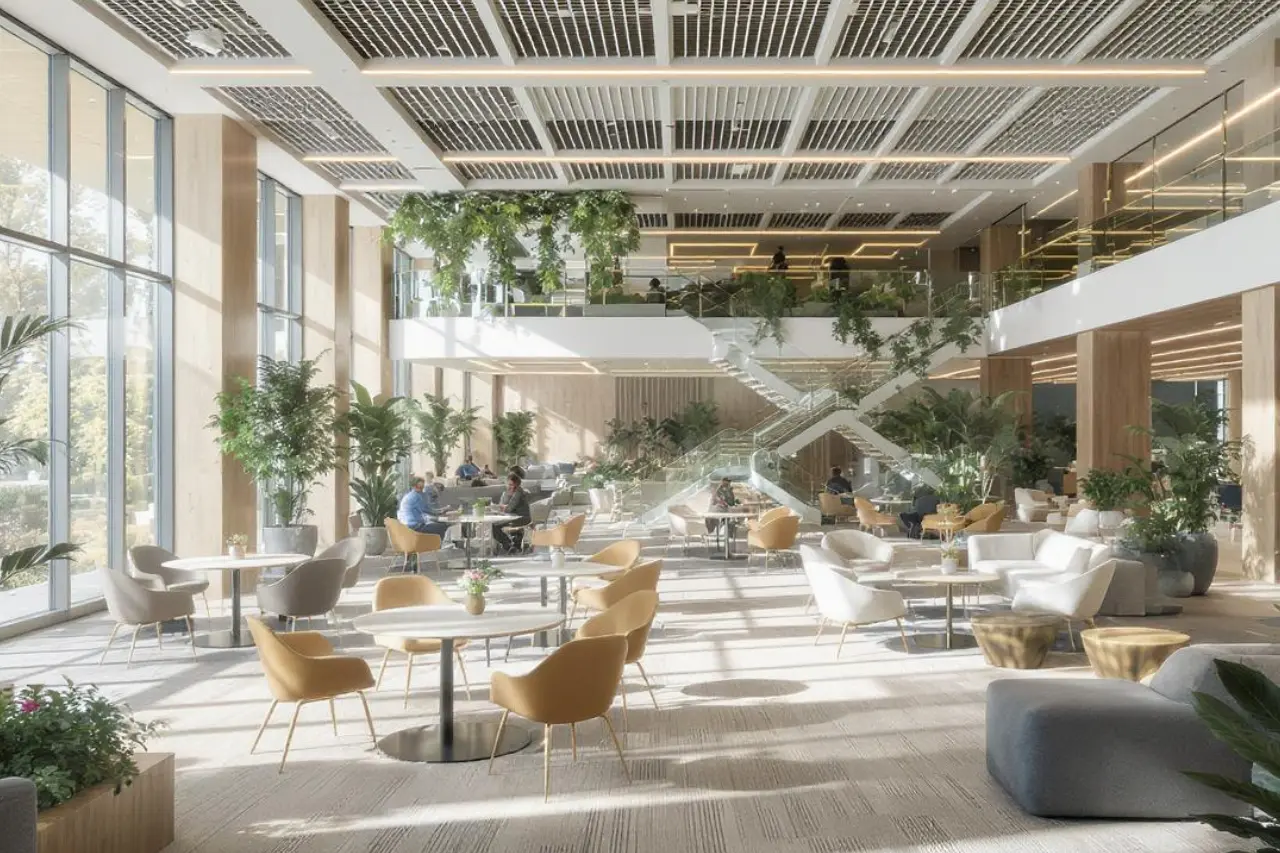
Moreover employee engagement research consistently shows that workers perform better when they feel comfortable and supported in their surroundings. Natural lighting flexible seating and quiet zones all contribute to improved focus and reduced burnout. As a result organizations are rethinking their workplace management strategies to align with these expectations.
At the same time learning is becoming a continuous process rather than a one time event. Offices that provide access to collaborative areas knowledge sharing zones and digital learning tools create an ecosystem where employees can grow every day.
Learning as a Core Element of Office Design
The integration of learning into office design is a defining feature of the modern workplace. It clearly demonstrates why office design must focus on learning and well being to remain competitive. Companies that prioritize learning spaces encourage innovation and adaptability.
For instance open collaboration zones allow teams to exchange ideas freely while quiet corners support deep thinking and skill development. This balance is essential because it caters to different learning styles and work preferences. Furthermore leadership development insights suggest that environments that support learning also foster stronger leadership pipelines.
In addition organizations that align office design with talent acquisition trends are more likely to attract forward thinking professionals. Candidates increasingly evaluate workplaces based on opportunities for growth and development. Therefore a learning focused office becomes a powerful employer branding tool.
The Role of Well Being in Workplace Design
Equally important is the emphasis on employee well being. Understanding why office design must focus on learning and well being requires recognizing the direct link between environment and mental health. Stress fatigue and disengagement often stem from poorly designed workspaces.
Modern offices are now incorporating elements such as wellness rooms ergonomic furniture and access to natural elements. These features not only improve physical health but also enhance emotional resilience. Consequently employees feel more valued and motivated.
Additionally the future of work research highlights that hybrid and flexible work models are here to stay. This makes it even more important for office spaces to provide a sense of comfort and belonging. When employees choose to come into the office they expect an environment that adds value to their workday.
Enhancing Collaboration and Innovation
Another reason why office design must focus on learning and well being lies in its impact on collaboration. Well designed spaces encourage spontaneous interactions which often lead to innovative ideas. When employees have access to diverse work settings they can choose environments that best suit their tasks.
Furthermore workplace management strategies are increasingly focusing on creating adaptable spaces. Movable furniture multi purpose rooms and technology enabled meeting areas allow teams to collaborate seamlessly. This flexibility supports both structured and informal learning experiences.
At the same time organizations must ensure that collaboration does not come at the expense of individual focus. Balancing open spaces with quiet zones is key to maintaining productivity and well being.
Aligning Office Design with Organizational Goals
Office design is no longer just about aesthetics. It is a strategic tool that reflects organizational values and goals. This is another important reason why office design must focus on learning and well being. A well aligned workspace communicates a company commitment to growth innovation and employee care.
For example companies that prioritize sustainability often incorporate eco friendly materials and energy efficient systems. Similarly organizations that emphasize inclusivity design spaces that are accessible and welcoming to all employees. These decisions reinforce company culture and strengthen employee trust.
Moreover employee engagement research indicates that workers are more likely to stay with organizations that invest in their development and well being. This makes office design a critical factor in long term business success.
The Impact on Talent Attraction and Retention
In a competitive job market attracting and retaining talent is a top priority. Understanding why office design must focus on learning and well being can give organizations a significant advantage. A well designed office signals that a company values its people and is committed to their success.
Talent acquisition trends reveal that job seekers are increasingly drawn to workplaces that offer flexibility growth opportunities and a positive environment. When these elements are reflected in office design they create a strong first impression.
Furthermore employees who feel supported are more likely to remain engaged and loyal. This reduces turnover and helps build a stable and high performing workforce.
Creating a Future Ready Workplace
As businesses prepare for the future they must consider how their workspaces will evolve. The importance of why office design must focus on learning and well being will only continue to grow. Organizations that embrace this approach will be better equipped to navigate change and uncertainty.
Future of work research emphasizes the need for adaptability resilience and continuous learning. Offices that support these principles become hubs of innovation and collaboration. They empower employees to thrive in an ever changing environment.
At the same time leadership development insights highlight the role of environment in shaping future leaders. A well designed workspace encourages curiosity experimentation and growth which are essential qualities for leadership.
Practical Insights for Designing Better Workspaces
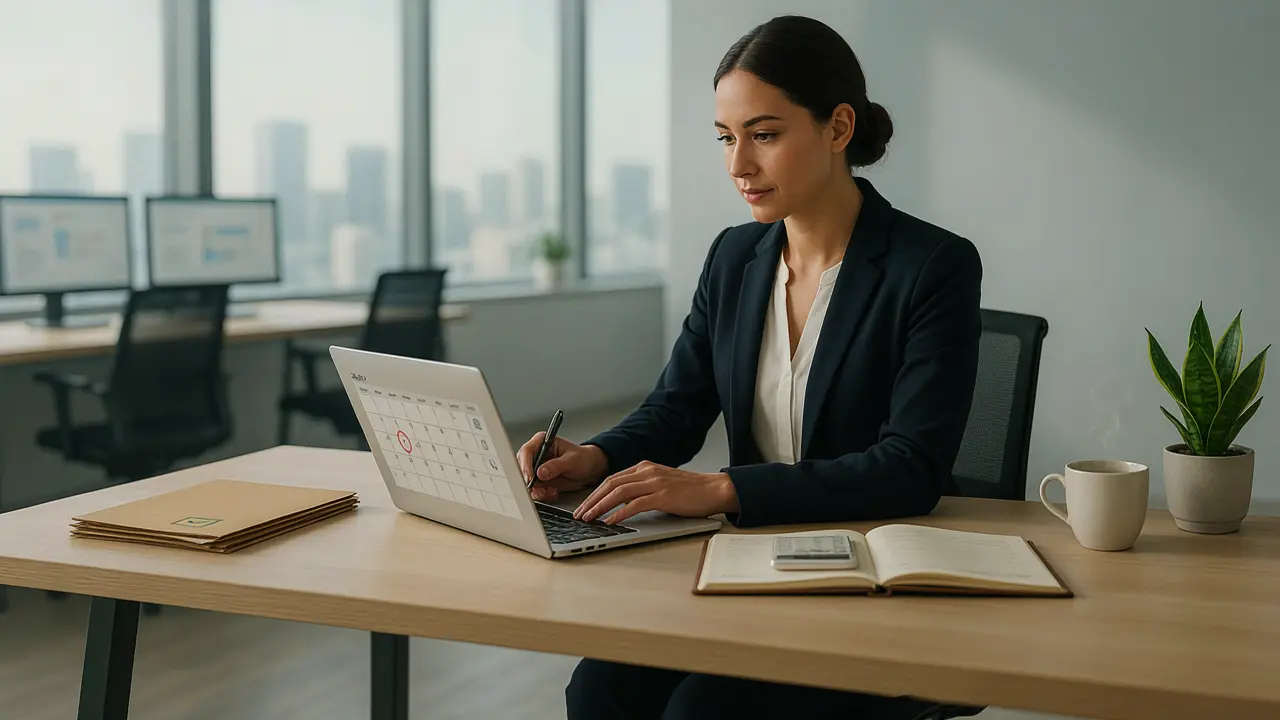
Organizations looking to improve their office environments should start by understanding employee needs and preferences. Gathering feedback through surveys and discussions can provide valuable insights into what works and what does not. This approach ensures that design decisions are both practical and impactful.
It is also important to integrate technology seamlessly into the workspace. Digital tools that support learning collaboration and communication can enhance the overall experience. At the same time maintaining a balance between technology and human interaction is essential.
Another key consideration is flexibility. Designing spaces that can adapt to different activities and team sizes allows organizations to respond quickly to changing demands. This aligns with modern workplace management strategies and supports long term growth.
Finally organizations should continuously evaluate and refine their office design. Regular assessments help identify areas for improvement and ensure that the workspace remains aligned with business goals and employee expectations.
Connect with HRInfoPro to explore expert driven strategies that elevate your workplace design and employee experience. Reach out today to transform your office into a space that inspires growth well being and long term success.
Source : hrdive.com