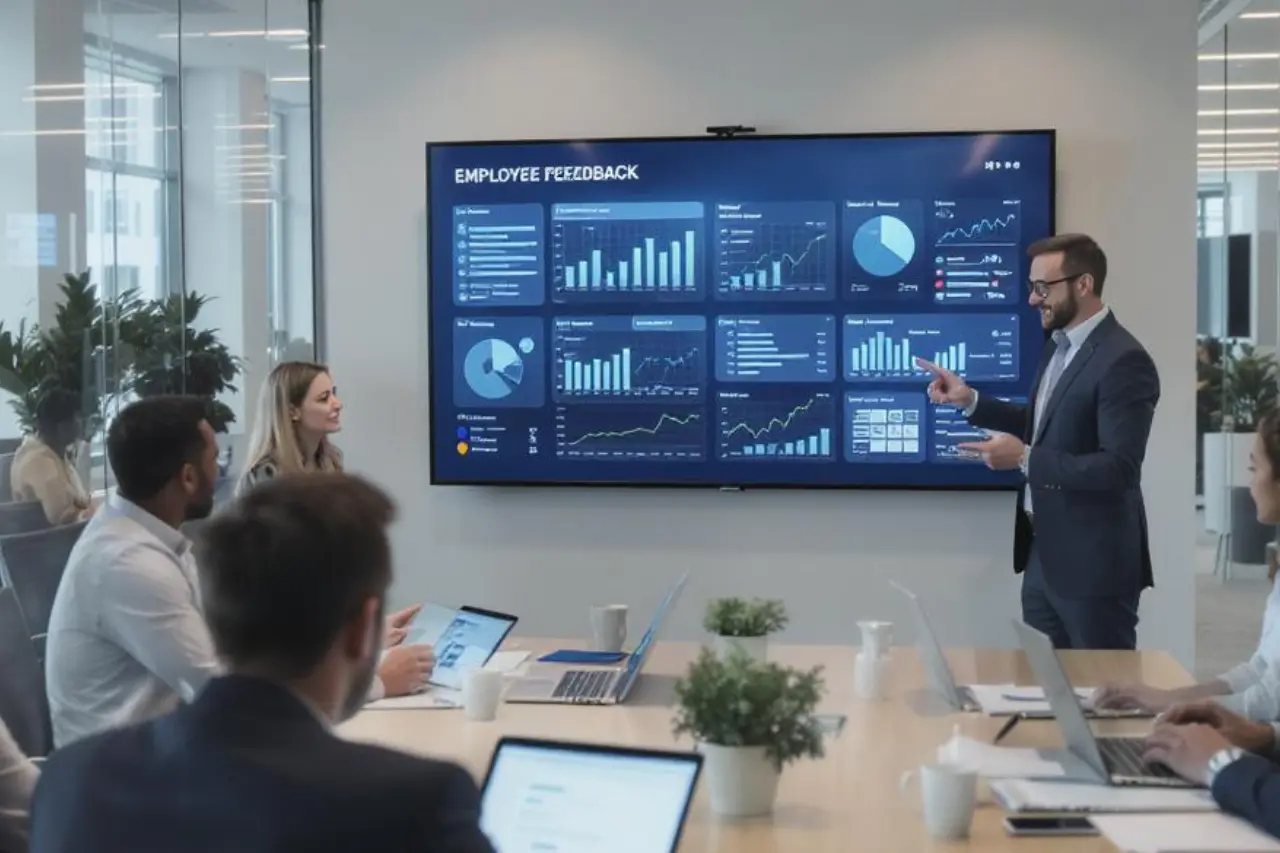
Organizations today are placing greater emphasis on understanding what truly drives their workforce. As competition for talent increases, companies are searching for smarter ways to keep employees motivated and committed. One of the most effective approaches is to boost engagement and retention with targeted surveys that capture real employee sentiment.
These surveys go beyond surface level feedback and provide deeper clarity into employee experiences. As a result, leaders can make informed decisions that align with evolving HR trends and insights while building a more responsive workplace culture.
Why Targeted Surveys Matter in Modern Workplaces
Employee expectations are changing rapidly, and traditional feedback methods are no longer enough. Targeted surveys allow organizations to gather precise information about employee needs, challenges, and aspirations. This focused approach makes it easier to boost engagement and retention with targeted surveys because the insights are specific and actionable.
Moreover, findings from employee engagement research highlight that employees are more likely to stay with organizations that actively listen and respond to their concerns. Therefore, surveys become a bridge between leadership and employees, strengthening trust and communication.
Creating Surveys That Deliver Meaningful Insights
Designing effective surveys requires thoughtful planning and clarity. Questions should be relevant, concise, and aligned with business goals. When companies aim to boost engagement and retention with targeted surveys, they must ensure that each question serves a purpose.
In addition, incorporating elements from workplace management strategies helps in framing questions that reflect real work scenarios. This ensures that responses are not only honest but also practical for decision making. Over time, consistent survey practices create a reliable feedback system that supports continuous improvement.
Turning Feedback into Action
Collecting feedback is only the beginning. The real impact comes from how organizations respond to it. When businesses actively act on survey results, they demonstrate commitment to employee well being. This is a crucial step to boost engagement and retention with targeted surveys as employees feel valued and heard.
Furthermore, leadership development insights suggest that transparent communication about survey outcomes builds credibility. Sharing what has been learned and what actions will follow creates a sense of inclusion and accountability across the organization.
Aligning Surveys with Talent Strategies
Employee feedback plays a significant role in shaping hiring and retention strategies. Insights gathered from surveys can reveal gaps in workplace culture, leadership effectiveness, and growth opportunities. These findings directly connect with talent acquisition trends, helping organizations refine their approach to attracting and retaining top talent.
At the same time, companies that consistently boost engagement and retention with targeted surveys are better positioned to create a strong employer brand. This not only improves retention but also enhances the quality of new hires.
Enhancing Leadership Through Feedback
Leadership quality has a direct impact on employee engagement. Surveys provide a valuable opportunity to evaluate leadership effectiveness and identify areas for improvement. When organizations use feedback to guide leadership development insights, they create a culture of continuous growth.
In addition, leaders who actively engage with survey results are more likely to build trust and inspire their teams. This approach strengthens relationships and contributes to a positive work environment. As a result, efforts to boost engagement and retention with targeted surveys become more impactful and sustainable.
Adapting to the Future of Work
The workplace is evolving, with hybrid models and digital transformation reshaping how employees interact and perform. In this context, surveys become even more important. They help organizations stay aligned with employee expectations and adapt to changes highlighted by future of work research.
By consistently gathering feedback, businesses can identify emerging trends and adjust their strategies accordingly. This proactive approach ensures that efforts to boost engagement and retention with targeted surveys remain relevant in a rapidly changing environment.
Building a Culture of Continuous Improvement
A strong feedback culture encourages openness and innovation. When employees see that their opinions lead to real change, they become more engaged and committed. This creates a positive cycle where feedback drives improvement, and improvement drives engagement.
Organizations that integrate surveys into their regular processes benefit from ongoing insights that support long term growth. By doing so, they can effectively boost engagement and retention with targeted surveys while fostering a culture that values transparency and collaboration.
Practical Insights for Better Survey Outcomes
To achieve meaningful results, organizations should focus on consistency and clarity in their survey approach. Timing plays an important role, as regular surveys help track progress and identify trends over time. Additionally, maintaining anonymity encourages honest feedback, which enhances the quality of insights.
It is also important to connect survey findings with broader organizational goals. When insights are aligned with workplace management strategies and supported by employee engagement research, they become more actionable. This ensures that every effort to boost engagement and retention with targeted surveys leads to measurable improvements.
Take the Next Step with HRInfoPro
Ready to transform your workplace with smarter engagement strategies and meaningful insights. Connect with HRInfoPro to unlock the full potential of your workforce. Reach out today and discover how expert guidance can help you build a more engaged and future ready organization.