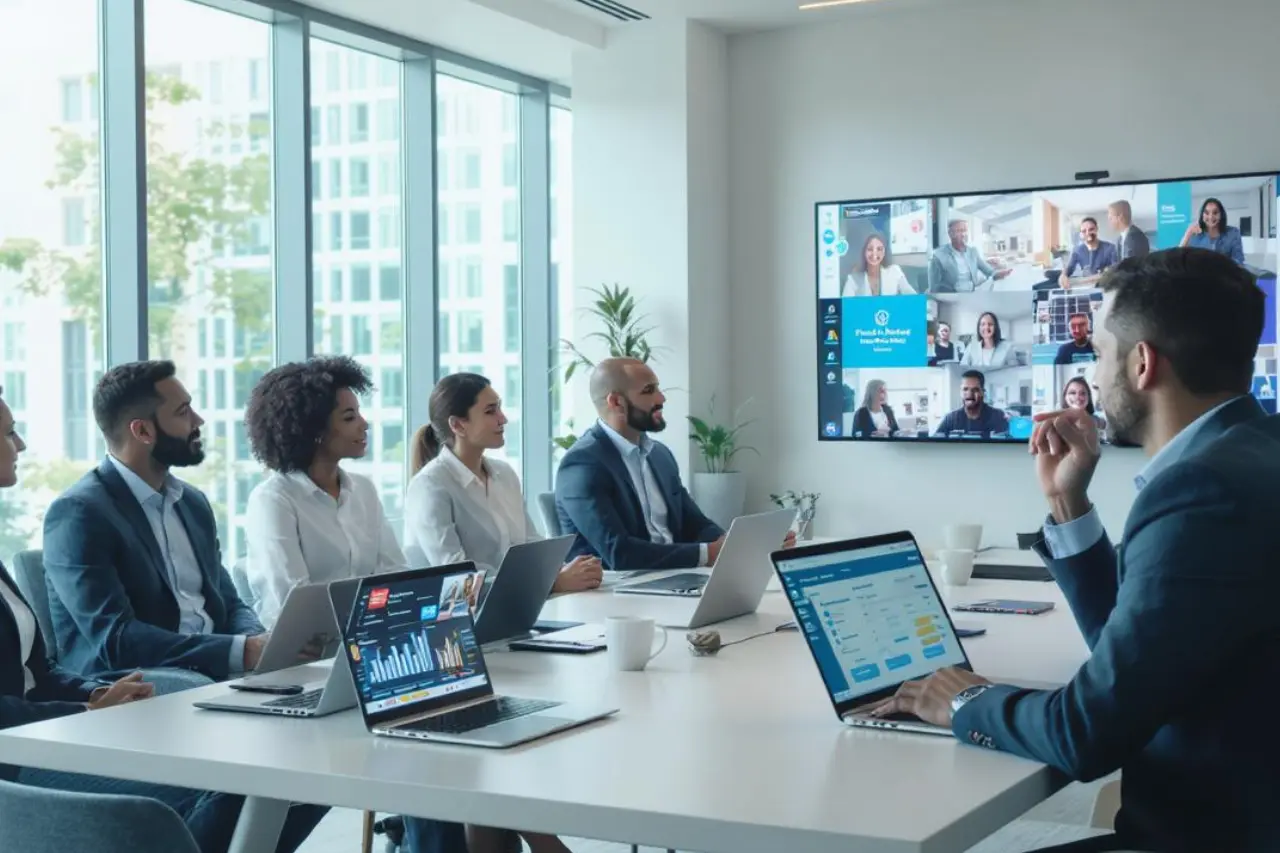
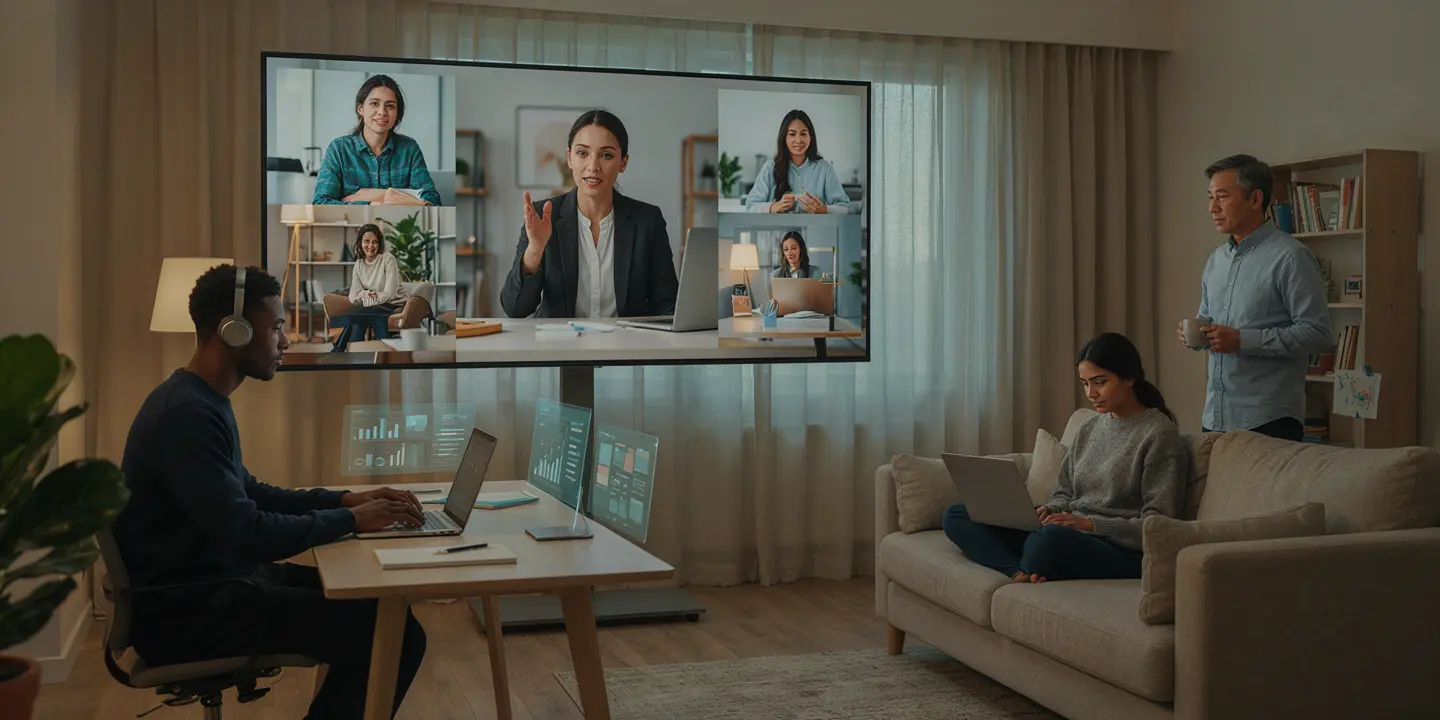
Why HR leaders still misread flexibility needs remains one of the most important questions shaping modern workplaces. Over the past few years, flexibility has become more than allowing employees to work from home a few days each week. It now reflects how people want to manage their schedules, develop their careers, balance personal responsibilities, and contribute meaningfully to their organizations.
Even so, many organizations continue to define flexibility through outdated policies rather than employee expectations. As a result, companies often invest in initiatives that appear attractive on paper but fail to improve satisfaction, productivity, or retention. Therefore, understanding what employees genuinely value has become a critical priority for every HR team seeking sustainable growth.
At the same time, the latest HR trends and insights show that workforce expectations continue to evolve rapidly. Organizations that respond with thoughtful strategies are significantly better positioned to attract, engage, and retain top talent.
Why Traditional Flexibility Models Fall Short
Many organizations believe flexible work simply means offering remote or hybrid options. While these arrangements remain valuable, employees increasingly expect flexibility in many other areas of their professional lives.
For example, workers want greater control over learning opportunities, career progression, workload distribution, performance expectations, and personal wellbeing. Consequently, when organizations limit flexibility to location alone, they overlook the broader experience employees are seeking.
This explains why HR leaders still misread flexibility needs despite investing heavily in modern workplace policies. The disconnect often occurs because decision makers rely on assumptions instead of continuous employee feedback.
Moreover, effective Employee engagement research consistently highlights that employees value trust and autonomy more than rigid workplace rules. When flexibility supports both personal wellbeing and business objectives, engagement naturally improves.
Listening Beyond Employee Surveys
Employee surveys remain useful, yet they rarely capture the complete picture. Many employees hesitate to share honest concerns, especially when they believe feedback will not lead to meaningful action.
Instead, organizations should build multiple listening channels that include manager conversations, anonymous feedback platforms, stay interviews, collaboration data, and ongoing pulse surveys. This broader approach allows HR professionals to identify changing expectations before dissatisfaction grows.
Furthermore, organizations that continuously analyze employee experiences create stronger workplace cultures because decisions become based on evidence rather than assumptions.
This shift aligns closely with modern Workplace management strategies, where employee feedback becomes an ongoing business resource instead of an annual reporting exercise.
Different Employees Need Different Forms of Flexibility
One of the biggest reasons why HR leaders still misread flexibility needs is the assumption that every employee wants the same solution.
A recent graduate may prioritize career growth and mentorship opportunities. Meanwhile, experienced professionals may value flexible schedules to support family responsibilities. Others may seek greater project ownership, skill development, or mental wellness support.
Consequently, organizations that apply identical flexibility policies across every department often fail to satisfy anyone completely.
Instead, successful HR teams recognize flexibility as a personalized employee experience rather than a universal policy. Managers who understand individual motivations are far more likely to build engaged and productive teams.
Managers Shape Flexibility More Than Policies
Even the strongest workplace policy can fail if managers apply it inconsistently.
Employees judge flexibility through daily interactions with their direct leaders. When managers trust employees, encourage autonomy, and support healthy communication, flexibility becomes part of the organizational culture rather than a written guideline.
However, when leaders continue rewarding visibility over outcomes, employees quickly lose confidence in flexible work arrangements.
This is where strong Leadership development insights become essential. Organizations should train managers to lead distributed teams, measure performance fairly, communicate transparently, and build trust regardless of where employees work.
Leadership behavior ultimately determines whether flexibility succeeds or becomes another ineffective HR initiative.
Flexibility Influences Hiring and Retention
Today’s candidates evaluate employers differently than they did only a few years ago. Salary remains important, yet workplace flexibility frequently influences final employment decisions.
Current Talent acquisition trends show that candidates actively compare flexibility policies before accepting job offers. Organizations that clearly communicate flexible career opportunities often strengthen their employer brand while expanding access to broader talent pools.
Likewise, existing employees are more likely to remain with organizations that respect their changing personal and professional priorities.
Therefore, flexibility should no longer be viewed as an employee benefit. Instead, it has become a strategic advantage that supports recruitment, retention, and long term organizational performance.
Preparing for the Future Workplace
The conversation around flexibility will continue evolving as technology, artificial intelligence, and changing workforce demographics reshape business operations.
Current Future of work research suggests organizations will increasingly focus on outcome based performance, digital collaboration, personalized career development, and employee wellbeing rather than traditional workplace structures.
Therefore, HR leaders should regularly review workforce data, revisit employee expectations, and adapt policies as organizational needs change.
Most importantly, flexibility should remain a continuous strategy rather than a one time workplace initiative. Companies that learn and adjust consistently will remain more resilient in an increasingly competitive labor market.
Practical Insights for HR Leaders
Organizations that truly understand why HR leaders still misread flexibility needs begin by replacing assumptions with evidence. Regular conversations, meaningful employee feedback, skilled managers, and personalized workplace experiences create stronger engagement than broad policies alone. When flexibility becomes a strategic business capability rather than a simple workplace benefit, organizations strengthen culture, improve performance, and build lasting employee loyalty.
The most successful HR teams also recognize that flexibility is not about giving employees complete freedom. Instead, it is about creating mutual trust, clear expectations, and adaptable systems that allow both people and businesses to thrive together.
HRInfoPro helps organizations stay informed with expert perspectives, practical workforce strategies, and the latest HR trends shaping modern workplaces.
Connect with HRInfoPro today to discover actionable insights that empower stronger leadership, better employee experiences, and smarter workplace decisions.