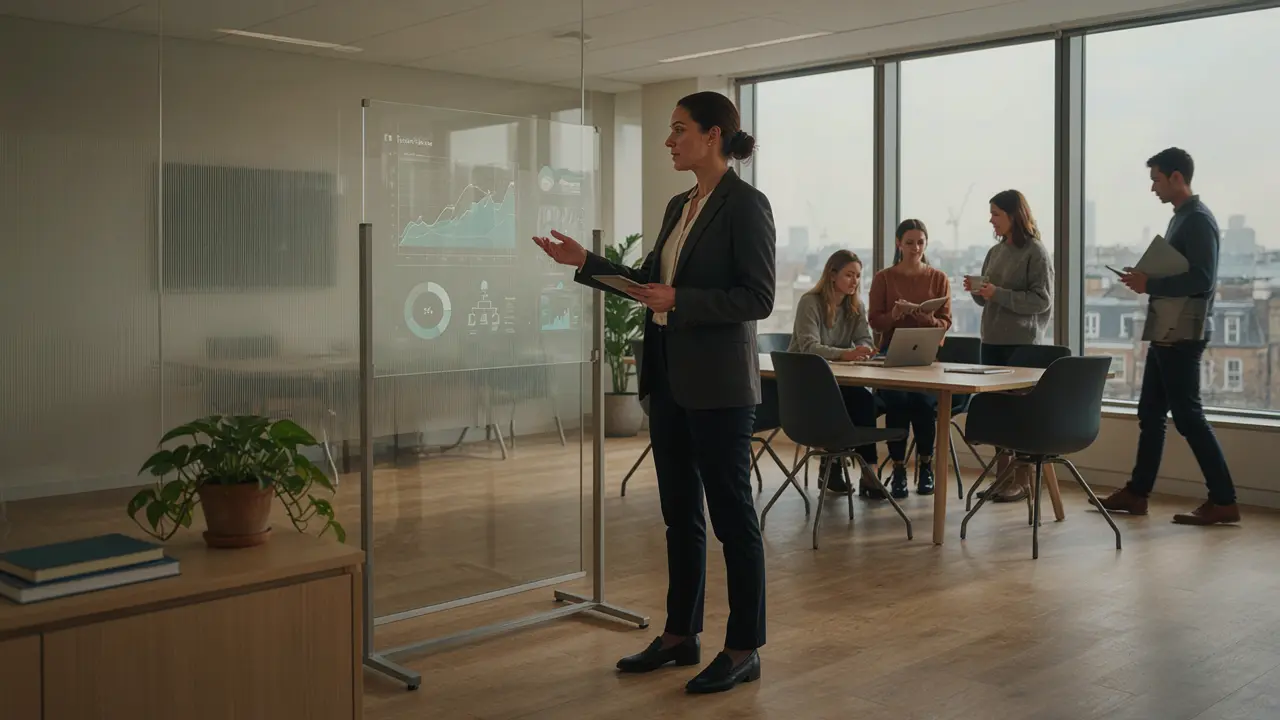
U.S. employee engagement remains an important concern for organizations in 2026. Although businesses continue investing in workplace culture, employee wellbeing, technology, and professional development, many workers still struggle to feel connected to their organizations.
The challenge is not necessarily a lack of workplace initiatives. Instead, employees increasingly expect meaningful work, supportive managers, opportunities to grow, and a clear connection between their contributions and organizational goals.
Consequently, companies need to look beyond traditional engagement programs. Sustainable engagement depends on the everyday employee experience and the quality of relationships between employees, managers, and leadership.
Changing Employee Expectations
Employee expectations have changed significantly in recent years. Workers increasingly value flexibility, recognition, career development, transparency, and a sense of purpose.
Moreover, employees can quickly compare workplace experiences through professional networks and online communities. As a result, organizations cannot rely solely on compensation or occasional engagement activities to maintain motivation.
HR trends and insights show that employees are paying closer attention to how organizations communicate, develop talent, recognize contributions, and respond to changing expectations.
Therefore, employers need to create workplace experiences that feel consistent rather than depending on isolated engagement campaigns.
Managers Have a Major Influence
Managers remain one of the strongest influences on employee experience. A supportive manager can help employees understand expectations, overcome challenges, and see opportunities for professional growth.
However, ineffective communication or limited recognition can quickly weaken engagement. Employees may feel disconnected when managers focus heavily on tasks while overlooking development, feedback, and individual contributions.
Consequently, workplace management strategies should place greater emphasis on communication and relationship building. Managers need the skills to provide meaningful feedback, recognize achievements, and understand what motivates different members of their teams.
Career Growth Can Affect Motivation
Career development is another important factor behind engagement challenges. Employees who cannot see a clear path forward may gradually become less motivated, even when their current roles are stable.
Furthermore, changing business requirements mean employees increasingly need opportunities to develop new capabilities. Organizations that invest in learning can create stronger connections between individual growth and business performance.
Leadership development insights can help organizations build managers who understand how to support career conversations and create meaningful development opportunities.
As a result, professional growth can become an ongoing part of the employee experience rather than an annual discussion.
The Role of Employee Feedback
Organizations cannot effectively address engagement challenges without understanding what employees actually experience. Employee engagement research provides valuable insight into motivation, workplace satisfaction, leadership effectiveness, and organizational culture.
Yet collecting feedback is only the first step. Employees may become frustrated when surveys are conducted regularly but meaningful changes rarely follow.
Therefore, organizations should communicate what they have learned and explain how feedback will influence workplace decisions. Even when every request cannot be implemented, transparent communication can demonstrate that employee perspectives are taken seriously.
Hiring and Engagement Are Connected
Talent acquisition trends are also influencing employee engagement. Organizations increasingly compete for candidates who evaluate more than salary and job responsibilities.
Candidates want to understand company culture, leadership expectations, flexibility, development opportunities, and workplace values before accepting an offer.
Moreover, the promises made during recruitment can influence engagement after employees join. If the actual workplace experience differs significantly from what candidates were told, trust can decline quickly.
Consequently, HR teams should ensure that employer branding and recruitment communication accurately represent the employee experience.
Leadership Must Strengthen Connection
Leadership has an important role in creating an environment where employees understand the organization’s direction and their contribution to it.
Employees are more likely to feel connected when leaders communicate clearly about priorities, acknowledge challenges, and explain how organizational decisions affect teams.
In addition, leadership development should focus not only on operational performance but also on communication, empathy, accountability, and trust.
Strong leadership can create a culture where employees feel informed and valued rather than disconnected from important decisions.
Technology Can Support Better Engagement
Technology is changing how organizations communicate with employees and manage workplace experiences. Digital collaboration platforms, employee feedback systems, learning technologies, and workforce analytics can provide useful information for HR teams.
However, technology alone cannot solve engagement problems. A new communication platform will have limited impact if managers do not communicate effectively or employees do not trust leadership.
Similarly, data should be used to understand workplace patterns rather than simply measure employees. Responsible use of workforce information can help HR professionals identify areas that require attention while protecting employee trust.
What Future of Work Research Suggests
Future of work research continues to highlight the changing relationship between technology, employees, skills, and organizational structures. As artificial intelligence and automation become more common, employees are likely to place even greater value on meaningful responsibilities and opportunities to develop new skills.
Consequently, companies need to prepare employees for changing roles rather than focusing exclusively on short term productivity.
Organizations that combine technology adoption with learning, communication, and career development can create stronger foundations for long term engagement.
Building Stronger Engagement in 2026
Improving U.S. employee engagement requires organizations to focus on everyday workplace experiences. Employees need managers who communicate well, leaders who provide direction, and opportunities to develop professionally.
Furthermore, HR teams should connect employee feedback with measurable workplace improvements. Engagement should be treated as an ongoing organizational responsibility rather than an annual HR initiative.
By combining HR trends and insights, employee engagement research, workplace management strategies, and leadership development insights, organizations can develop a more complete understanding of what employees need.
Actionable Insights for HR Leaders
U.S. employee engagement can improve when organizations focus on trust, meaningful communication, career growth, recognition, and strong management. The most effective approach is to understand employee concerns and then turn those insights into visible workplace improvements.
HR leaders should continuously monitor employee feedback, talent acquisition trends, and future of work research while ensuring managers have the skills required to build productive relationships with their teams.
For HRInfoPro, the future of engagement is not about creating more workplace programs. It is about creating workplaces where employees can see their value, understand their purpose, and believe their organization is invested in their growth.
Reach out to HRInfoPro for practical insights that can help strengthen employee engagement and create better workplace experiences.
Connect with HRInfoPro to explore smarter people strategies for building motivated and resilient teams in 2026.