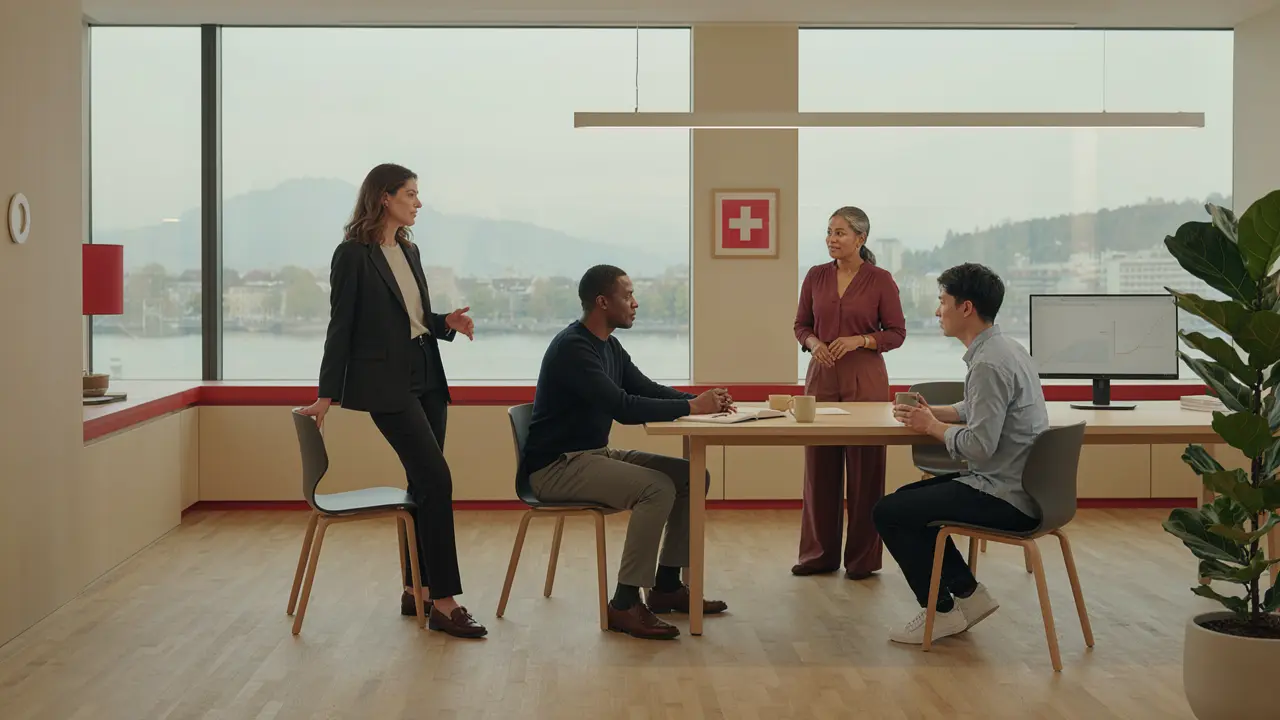
Workplace engagement trends across Australia in 2026 are being shaped by changing employee expectations, evolving work arrangements and a stronger focus on workforce capability. At the same time, organisations are navigating economic uncertainty, technology adoption and new workplace expectations.
Recent Gallup data shows that 21 percent of Australian employees were engaged at work based on data collected during 2025 for its 2026 report. This was unchanged from the Australia and New Zealand regional average and slightly above the global figure of 20 percent.
Consequently, employers are paying closer attention to the factors that influence whether employees feel connected to their work and organisation.
Flexibility Remains Central to Employee Experience
Flexible work continues to influence workplace engagement trends across Australia. Employees may negotiate arrangements involving working hours, work locations, job sharing and other forms of flexibility, subject to applicable workplace rules.
Moreover, the Fair Work Ombudsman notes that well managed flexibility can support work life balance, job satisfaction, productivity and retention. Therefore, workplace management strategies increasingly need to consider flexibility alongside operational requirements rather than treating it as a separate employee benefit.
For HR teams, the challenge is creating arrangements that provide employees with appropriate autonomy while maintaining collaboration, service quality and accountability.
Leadership Capability Gains Greater Attention
Leadership quality is another important factor influencing engagement. AHRI research published in 2026 highlights persistent leadership capability gaps while organisations continue investing in technical, leadership and artificial intelligence skills.
As a result, leadership development insights are becoming increasingly relevant to employee experience. Managers influence communication, recognition, workload management and career conversations, all of which can affect how employees experience their workplace.
Furthermore, effective leadership is not limited to senior executives. Organisations need managers at different levels to understand how their decisions affect team morale, productivity and retention.
Skills Development Supports Engagement
Workplace engagement trends are also closely connected with learning and career development. AHRI reported that employers are placing greater emphasis on developing existing workforce capabilities as hiring activity becomes more cautious. Its March 2026 research also found continued investment in technical, leadership and AI capability.
This shift creates an opportunity for organisations to connect employee development with broader business objectives. Instead of viewing training simply as an annual requirement, HR teams can connect learning programs with changing roles and future skills.
Similarly, employee engagement research can help organisations understand whether employees see meaningful opportunities to learn, contribute and progress.
Retention Becomes More Important
Talent acquisition trends in Australia are also influencing engagement strategies. AHRI reported that recruitment intentions declined during 2026 while employee turnover reached its lowest recorded level in its June 2026 reporting. The research indicates that employers are increasingly focusing on retaining and developing existing capability.
Therefore, retention is becoming closely connected with engagement. When recruitment becomes more selective, organisations may place greater value on understanding why employees stay and what conditions encourage them to remain.
Career development, recognition, effective management and opportunities to acquire new skills can all become important parts of that conversation.
Psychosocial Risk Enters the Engagement Discussion
Employee experience also depends on whether workers feel psychologically safe and supported. AHRI’s June 2026 Quarterly Australian Work Outlook identifies psychosocial risk as an increasingly important HR issue and examines how organisations are incorporating these considerations into HR practices.
This development expands the meaning of engagement. Simply measuring satisfaction may not provide enough information about workload, workplace relationships or organisational pressures.
Consequently, HR professionals can combine employee surveys with manager feedback and workplace data to build a more complete understanding of employee experience.
Technology Is Changing the HR Conversation
Technology is another major influence on workplace engagement trends across Australia. Artificial intelligence is changing job requirements, recruitment processes and workforce development. AHRI’s 2026 research highlights AI capability as one of the areas requiring greater attention from organisations.
At the same time, technology can help HR teams analyse feedback, identify workforce patterns and personalise learning. However, responsible implementation remains important because employees need clarity about how workplace technologies affect their roles and information.
This is where HR trends and insights increasingly overlap with future of work research.
Engagement Requires Continuous Listening
Employee engagement cannot be understood through a single annual survey. Instead, organisations can use regular feedback mechanisms to identify changing expectations and emerging workplace concerns.
Short surveys, structured manager conversations and workforce analytics can provide useful signals. Additionally, HR teams can compare engagement information with retention, absenteeism, internal mobility and development data to identify broader patterns.
The objective is not simply to collect more information. Rather, the focus should be on turning employee feedback into meaningful workplace improvements.
Actionable Insights for HR Leaders
The latest workplace engagement trends across Australia suggest that engagement is increasingly connected with flexibility, leadership capability, skills development, retention and employee wellbeing.
HR teams can begin by reviewing whether managers have the skills needed to support employees effectively. They can also examine whether flexible work arrangements are being managed consistently and whether employees understand available development opportunities.
Meanwhile, regular employee engagement measurement can help organisations identify changes before they become larger workforce challenges. Combining employee engagement research with talent acquisition trends and future of work research can provide a broader perspective for workforce planning.
Ultimately, engagement strategies work best when they reflect the actual experiences of employees rather than relying solely on assumptions about what workers want.
Stay informed with practical HR trends and insights, workplace management strategies and leadership development insights from HRInfoPro.
Reach out to HRInfoPro for timely perspectives on employee experience, talent and the future of work.
Source – au.adp