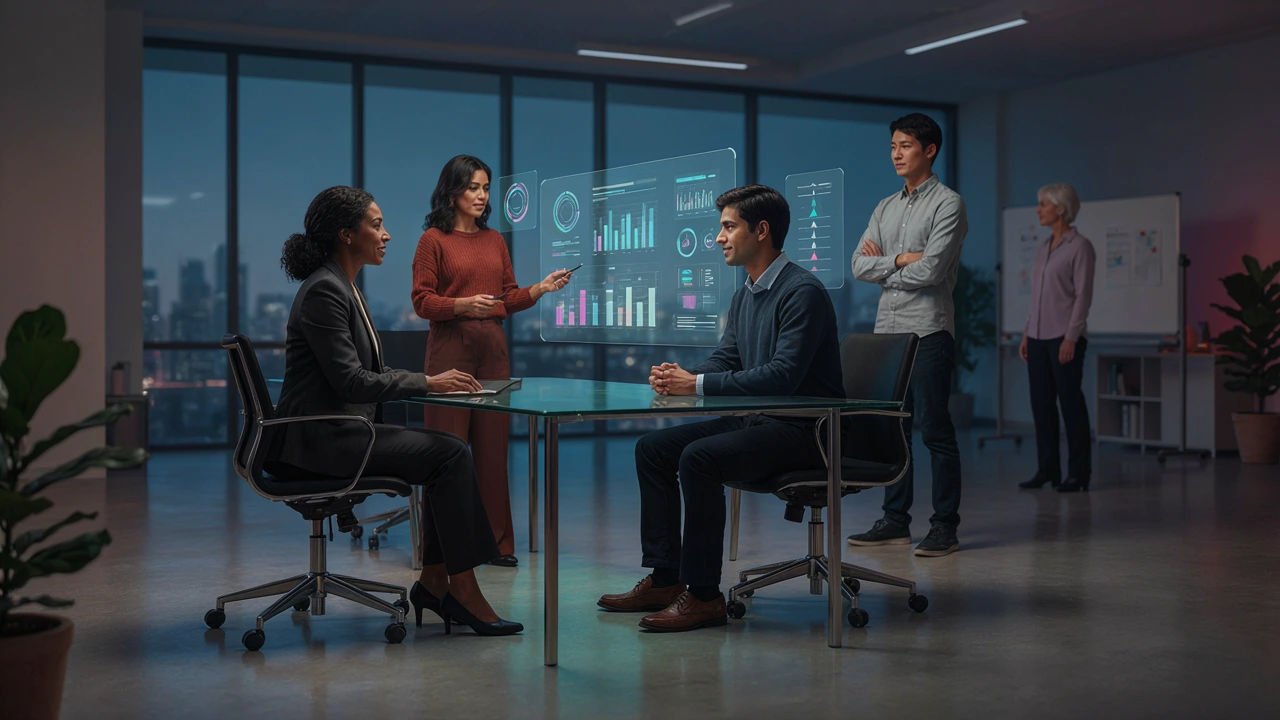
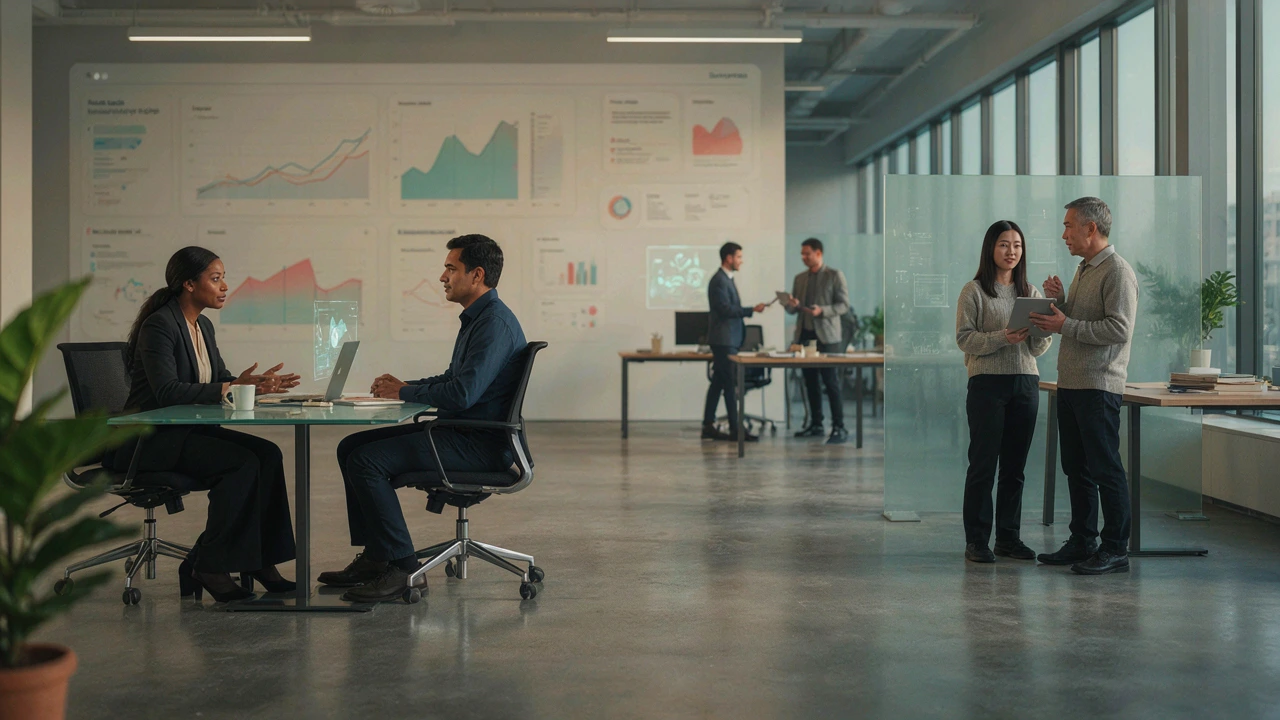
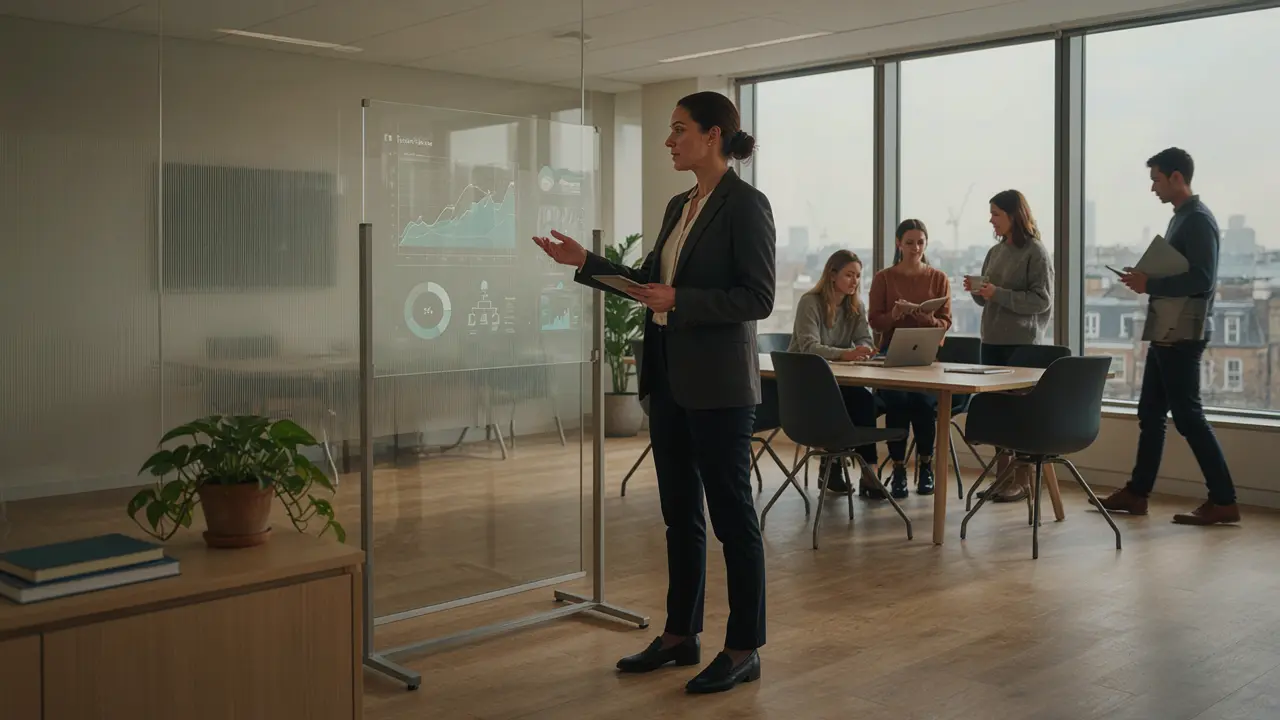
Performance management is entering a significant period of change in 2026. For years, many organizations relied on annual reviews, fixed objectives, and formal assessments to evaluate employee performance. However, changing employee expectations and advances in workplace technology are encouraging companies to take a more continuous approach.
Instead of treating performance reviews as an occasional administrative process, organizations are increasingly connecting them with employee development, engagement, collaboration, and business outcomes. Consequently, managers are becoming more focused on helping employees improve throughout the year rather than simply evaluating past performance.
Current HR trends and insights suggest that organizations are also looking for approaches that are more transparent, personalized, and closely aligned with evolving workforce expectations.
Continuous Feedback Becomes More Important
One of the biggest changes will be the growing importance of continuous feedback. Traditional annual reviews can leave employees waiting months before they receive meaningful guidance about their work.
In contrast, regular conversations allow managers and employees to discuss progress, challenges, expectations, and development opportunities as they arise. Furthermore, timely feedback can make performance discussions feel more relevant because employees can connect feedback with recent experiences.
As a result, organizations may move away from relying heavily on a single annual review and instead create an ongoing dialogue between managers and their teams.
Artificial intelligence is also influencing how companies approach employee performance. Modern workplace platforms can analyze information from goals, feedback, collaboration patterns, and other approved data sources to provide managers with useful insights.
However, AI should support managerial judgment rather than determine employee outcomes independently. Human context remains essential because performance can be influenced by workload, team dynamics, changing priorities, and circumstances that automated systems may not fully understand.
Therefore, responsible organizations will need clear guidelines around data privacy, transparency, and human oversight when introducing AI into performance processes.
Employee Development Takes Center Stage
Performance discussions are increasingly becoming opportunities for development rather than simply evaluations. Employees want to understand how their current responsibilities connect with future career opportunities.
Consequently, managers may spend more time discussing skills, learning opportunities, career goals, and potential internal mobility. Leadership development insights can also help organizations prepare employees for more advanced responsibilities.
This shift can create a stronger connection between individual growth and organizational performance. When employees understand how development opportunities can support their careers, performance conversations can become more meaningful.
Workplace Management Strategies Are Evolving
Workplace management strategies are also changing as organizations adapt to flexible and hybrid working environments. Managers can no longer depend entirely on physical visibility to understand employee contribution.
Instead, organizations need clearer objectives, measurable outcomes, regular communication, and greater trust. Furthermore, managers must distinguish between activity and actual business impact.
This means an employee who spends less time visibly online may still deliver excellent results, while someone who appears constantly busy may not necessarily create equivalent value. Consequently, outcome focused management is becoming increasingly important.
Employee Engagement Becomes Closely Connected
Employee engagement research continues to highlight the importance of recognition, meaningful work, communication, growth, and supportive management. These factors are closely connected to how employees experience performance discussions.
When employees believe that reviews are primarily about criticism or rankings, engagement can suffer. On the other hand, constructive conversations can help employees understand expectations and recognize their contributions.
Moreover, managers who regularly acknowledge progress can create a stronger culture of recognition. Over time, this can make performance conversations less stressful and more productive.
Goals Will Become More Flexible
Business priorities can change quickly, particularly in industries influenced by technology, economic conditions, and changing customer expectations. Consequently, fixed goals established at the beginning of a year may become less relevant several months later.
In 2026, organizations are likely to place greater emphasis on flexible goal setting. Managers and employees can periodically review objectives and adjust them when business circumstances change.
This approach allows performance expectations to remain connected with current organizational priorities while giving employees clearer direction.
Talent acquisition trends are also influencing performance practices. Companies are increasingly interested in hiring people whose skills can evolve as business needs change.
Consequently, performance systems may become more closely connected with recruitment, onboarding, learning, succession planning, and internal mobility. Information gathered through performance conversations can help organizations understand existing capabilities and identify future skill requirements.
Rather than treating recruitment and performance as separate HR functions, businesses can increasingly view them as connected parts of workforce planning.
Managers Need New Skills
The changing nature of performance management also places greater expectations on managers. Effective managers will need to communicate clearly, provide constructive feedback, recognize achievements, coach employees, and handle difficult conversations.
Furthermore, they will need enough technological awareness to understand how AI supported tools influence performance processes.
Leadership development insights can therefore become increasingly valuable. Organizations that invest in manager development can create stronger foundations for fair and consistent performance practices.
Future of work research suggests that organizations will continue adapting to changing expectations around flexibility, technology, skills, and employee experience. These developments will inevitably influence how performance is defined and measured.
For example, organizations may increasingly evaluate collaboration, adaptability, problem solving, innovation, and learning alongside traditional productivity measures.
Ultimately, the strongest systems will focus on what employees accomplish while also considering how they develop and contribute to broader organizational goals.
Actionable Insights for HR Leaders
Organizations preparing for 2026 should reconsider whether their current performance processes provide employees with timely feedback, meaningful development opportunities, and clear expectations. Annual reviews can remain useful, but they should increasingly become part of a broader year round process.
HR teams should also evaluate how AI can support managers without compromising employee privacy or creating unnecessary bias. At the same time, workplace management strategies should emphasize measurable outcomes, regular communication, flexibility, and trust.
By connecting performance conversations with employee engagement research, talent acquisition trends, leadership development insights, and future of work research, organizations can create a more responsive approach to managing talent.
Reach out to HRInfoPro for practical insights that can help your organization build a stronger and more effective performance culture.
Connect with HRInfoPro to explore smarter approaches to employee development, engagement, and workplace performance in 2026.