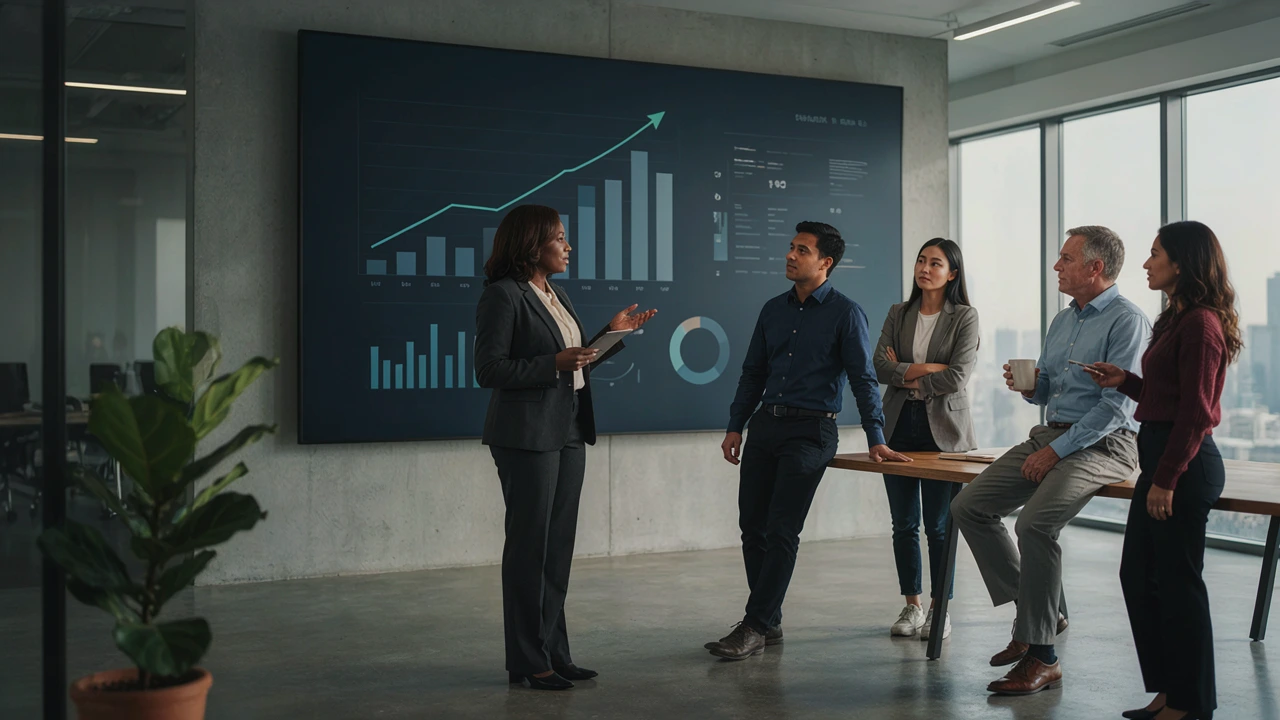
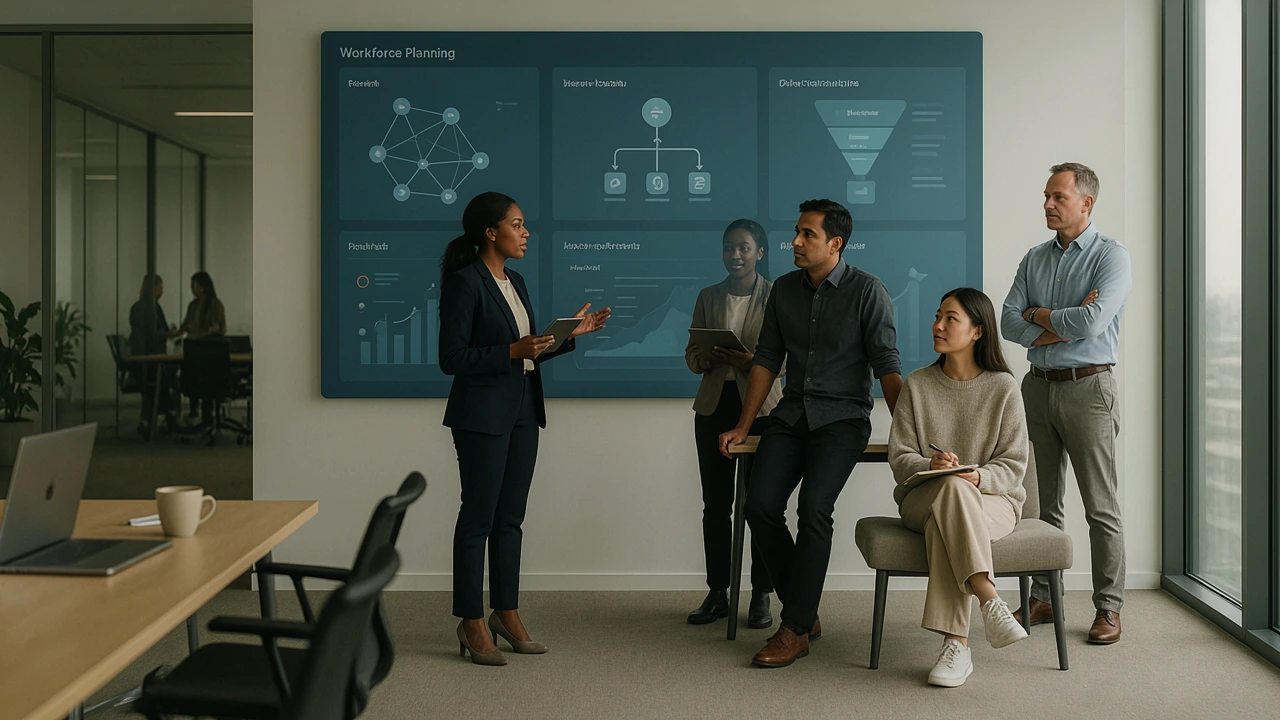
Strong business results depend heavily on how effectively employees understand and contribute to organizational priorities. When individual responsibilities are connected to wider business objectives, employees can see how their daily work creates measurable value.
Therefore, organizations are increasingly focusing on employee performance as a strategic business priority rather than treating reviews as an annual HR activity. Clear expectations, regular communication and meaningful goals can help employees stay focused while giving managers a better understanding of progress.
For HR leaders, this approach also creates opportunities to connect HR trends and insights with broader business planning.
Connecting Individual Goals With Organizational Objectives
One of the most effective ways to improve results is to create a clear connection between individual goals and company priorities. Employees should understand what the organization is trying to achieve and how their responsibilities support those objectives.
For example, a sales employee may have a personal target related to customer acquisition, while the broader business objective focuses on revenue growth. Connecting these goals gives employees a clearer sense of purpose and makes progress easier to evaluate.
Moreover, managers can use regular conversations to explain how changing priorities affect individual responsibilities. As a result, employees are more likely to adapt their efforts when business conditions change.
Traditional annual reviews often provide limited opportunities to address challenges while they are happening. Modern organizations are increasingly exploring continuous conversations that allow managers and employees to discuss progress throughout the year.
Regular feedback can make employee performance discussions more practical and relevant. Instead of waiting for an annual meeting, managers can recognize achievements, address obstacles and adjust expectations when necessary.
Furthermore, this approach supports stronger employee engagement research because employees receive clearer communication about their contributions and development opportunities.
Effective goals should be realistic, measurable and connected to business priorities. However, organizations should avoid creating too many targets because excessive measurement can make employees focus on completing metrics rather than creating meaningful results.
Managers can instead prioritize a small number of outcomes that genuinely matter to the organization. These goals can then be reviewed regularly and adjusted when priorities change.
Consequently, goal setting becomes an ongoing management process rather than a formality associated with annual evaluations.
The Role of Managers in Improving Results
Managers have a significant influence on how employees understand expectations and respond to feedback. Even well designed performance systems can struggle when managers do not communicate effectively.
Leadership development insights can therefore play an important role in strengthening performance practices. Managers need the ability to provide constructive feedback, recognize good work, discuss development needs and address performance challenges fairly.
Additionally, effective managers should understand that different employees may require different forms of support. Some people may benefit from additional training, while others may need greater autonomy or clearer priorities.
Performance management should not focus only on identifying gaps. It should also help employees develop the capabilities needed for future responsibilities.
Organizations can use performance conversations to identify skills that employees want to strengthen and capabilities the business will need in the future. This creates a stronger connection between employee development and workforce planning.
Similarly, talent acquisition trends show why internal development can become increasingly valuable. When organizations develop existing employees effectively, they can strengthen internal mobility while reducing dependence on external hiring for every emerging skill requirement.
The workplace continues to evolve through technology, flexible work arrangements and changing employee expectations. Consequently, performance systems need to remain adaptable.
For remote and hybrid teams, managers may need to focus more on outcomes than physical visibility. Measuring performance based on meaningful results can create greater clarity while reducing assumptions about how employees spend their working hours.
Future of work research also emphasizes the importance of adaptability as roles and required capabilities continue to change. Organizations that regularly review their expectations can respond more effectively to these changes.
Using Data Without Losing the Human Element
Performance data can help HR teams identify patterns, understand workforce capabilities and support better decisions. However, numbers should complement human judgment rather than replace it.
For instance, productivity metrics may show what happened, but conversations with employees can provide important context about workload, resources, customer challenges or changing priorities.
Therefore, organizations should combine reliable data with regular communication. This balanced approach can support better workplace management strategies while maintaining trust between employees and managers.
Practical Insights for HR Leaders
HR leaders can strengthen employee performance by making business goals easier to understand, encouraging regular feedback and training managers to have productive performance conversations.
At the same time, performance goals should be reviewed when business priorities change. Employees should also have opportunities to develop skills that support both their career growth and organizational needs.
Most importantly, successful performance management should create a shared understanding of what success looks like. When employees know how their work contributes to meaningful business outcomes, accountability and engagement can become stronger.
Stay informed with HRInfoPro for practical HR trends and insights that help organizations strengthen employee performance and workforce strategy.
Reach out to HRInfoPro for valuable workplace research, leadership insights and strategies that support sustainable business growth.