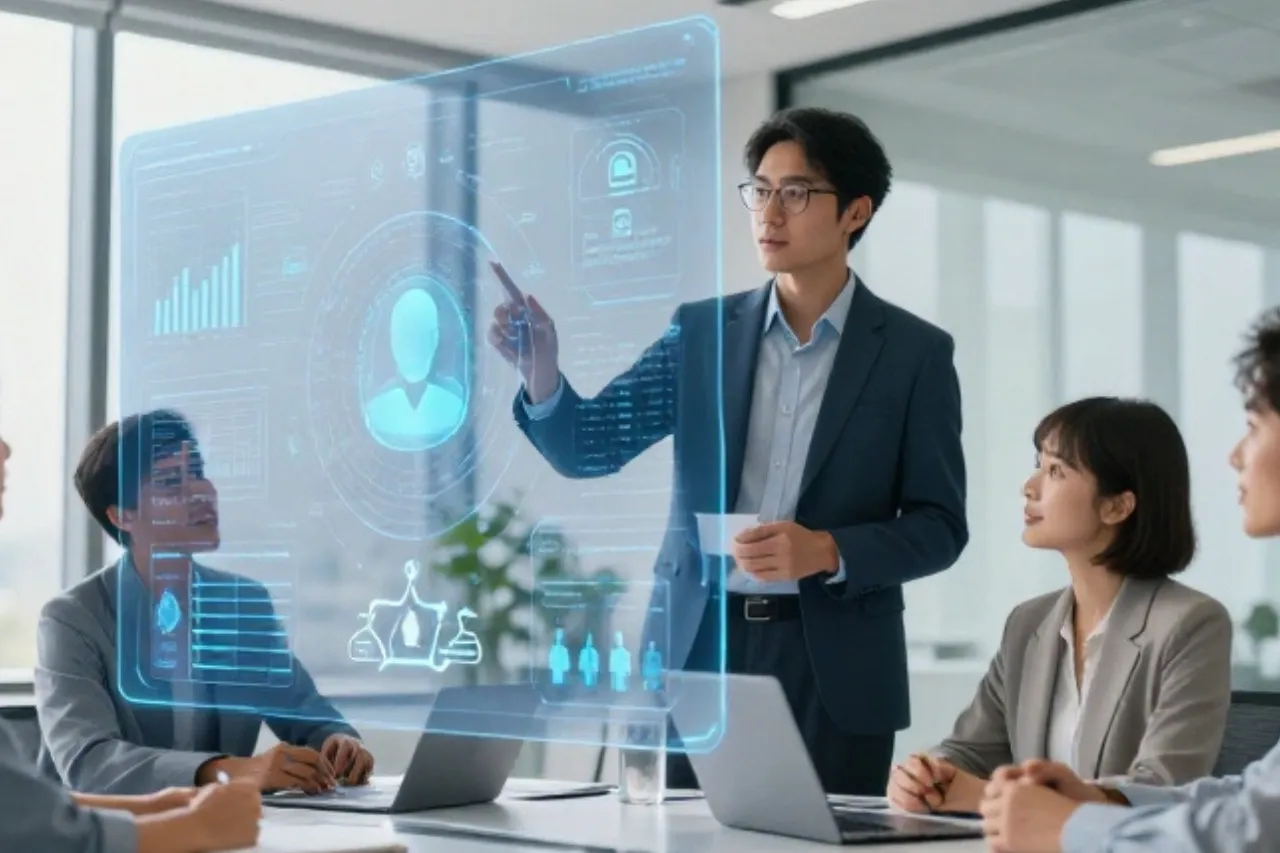
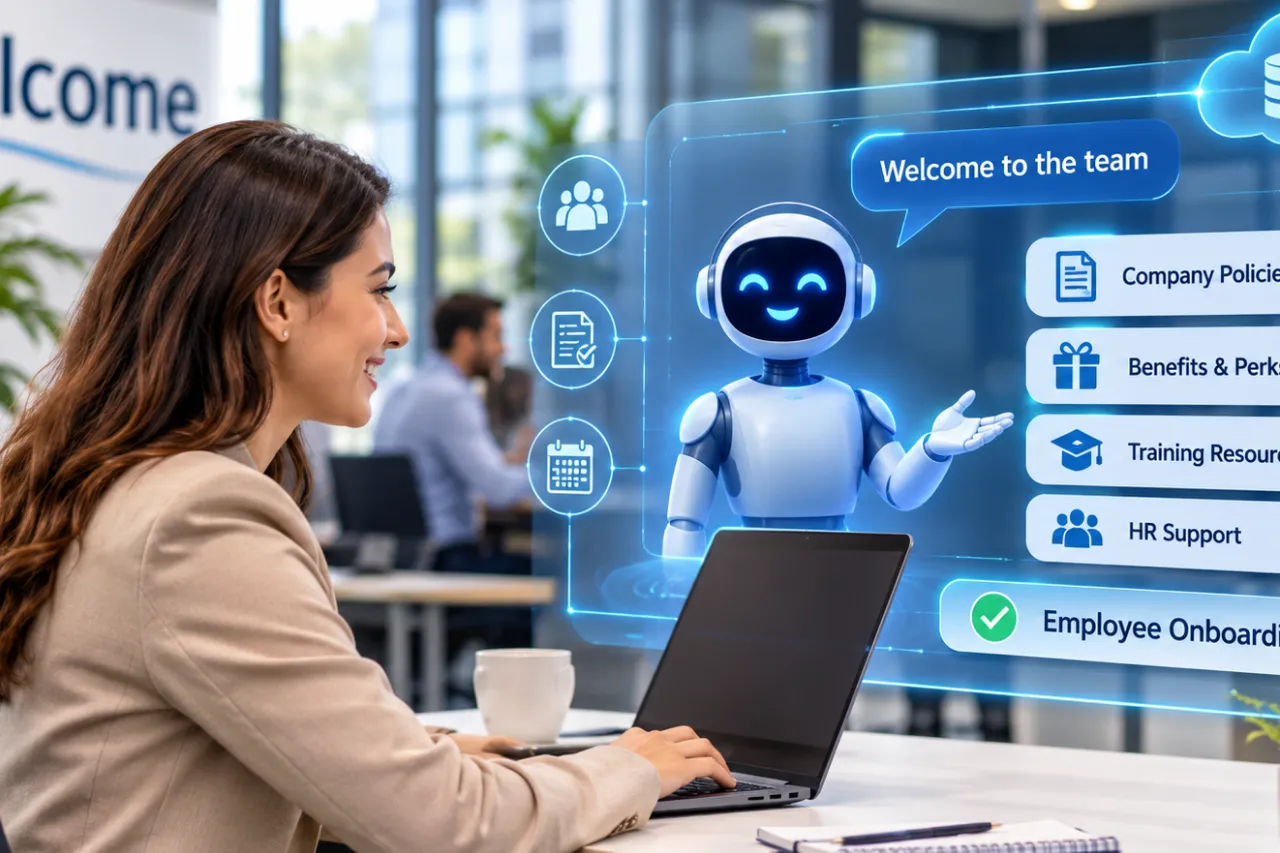
Artificial intelligence is transforming how organisations operate, make decisions, and manage their employees. As businesses accelerate AI adoption, understanding whether their workforce has the right capabilities is becoming increasingly important. A recent University of Phoenix report highlights a growing workforce skills visibility gap, drawing attention to the challenges employers face when identifying existing employee capabilities and preparing teams for changing job requirements.
Although organisations are investing in digital transformation, many still lack a clear understanding of the skills available within their workforce. Consequently, this visibility challenge can make it difficult to identify talent, plan training programmes, and respond effectively to emerging business demands.
The findings offer important HR trends and insights for employers seeking to build adaptable teams in an increasingly AI driven workplace.
Understanding the Workforce Skills Visibility Gap
A workforce skills visibility gap occurs when organisations cannot accurately identify the capabilities, experience, and development potential of their employees. While employees may possess valuable technical and transferable skills, employers do not always have reliable systems to recognise or document them.
This creates challenges for workforce planning. For example, businesses may recruit externally for positions that could potentially be filled by existing employees with suitable training. Similarly, employees may miss opportunities to advance because their capabilities are not fully recognised.
Furthermore, the rapid development of AI technologies is making this issue more significant. Traditional job descriptions and annual performance assessments may not capture the changing skills employees need to perform effectively.
How Artificial Intelligence Is Changing Workforce Requirements
AI is influencing roles across multiple industries, from finance and customer service to marketing, healthcare, and technology. Automation is taking over certain repetitive activities, while AI powered tools are supporting research, data analysis, communication, and decision making.
However, these developments do not mean that human capabilities are becoming less important. Instead, employees increasingly need to combine digital knowledge with critical thinking, creativity, communication, and problem solving.
As a result, organisations must reconsider how they define job readiness. Technical expertise alone may not be sufficient as employees are expected to work alongside intelligent systems and interpret their outputs responsibly.
According to broader future of work research, adaptability and continuous learning are becoming essential components of long term workforce resilience.
Why Employers Need Better Skills Visibility
Understanding existing workforce capabilities allows HR teams and business leaders to make more informed decisions. Without reliable skills data, organisations may struggle to identify internal candidates, address capability shortages, or prepare employees for emerging responsibilities.
Moreover, better visibility can improve workplace management strategies by connecting employee strengths with organisational priorities.
Skills mapping, internal talent assessments, and employee development discussions can help businesses understand where capabilities already exist and where additional training is required.
In addition, organisations can use workforce analytics to identify emerging skill requirements and develop more effective succession planning strategies. This approach can reduce unnecessary recruitment costs while creating stronger internal career opportunities.
The Role of Employee Development and Engagement
As AI continues to reshape professional responsibilities, employee development must become an ongoing organisational priority. Training should not be limited to occasional workshops or mandatory learning sessions. Instead, businesses should establish continuous learning opportunities that reflect changing workplace requirements.
For instance, employees may benefit from AI literacy programmes, digital collaboration training, data interpretation, and practical technology education.
Equally important, organisations should involve employees in identifying their own development needs. Employee engagement research consistently highlights the importance of meaningful growth opportunities, recognition, and career progression in building a motivated workforce.
When employees understand how learning opportunities connect to their future careers, they are more likely to participate actively in professional development initiatives.
Rethinking Talent Acquisition and Leadership Development
The growing importance of workforce skills visibility is also influencing talent acquisition trends. Rather than relying exclusively on external recruitment, employers can explore internal mobility and identify employees who could transition into emerging roles through targeted development.
This strategy can strengthen retention while helping organisations respond more quickly to changing business requirements.
Meanwhile, leadership development insights are becoming increasingly relevant. Managers must learn to recognise employee potential, understand AI related changes, and guide teams through technological transformation.
Effective leaders should encourage experimentation, support continuous learning, and create an environment where employees feel comfortable adapting to new tools and responsibilities.
Building a Future Ready Workforce Through Strategic HR Planning
Preparing for AI driven workplaces requires more than introducing new software. Organisations must align technology investments with workforce planning, employee development, and business objectives.
HR departments can play a central role by creating updated skills inventories, reviewing job requirements, and collaborating with department leaders to identify capability gaps.
Additionally, transparent communication is essential. Employees should understand how AI may affect their responsibilities and what opportunities are available to develop relevant skills.
By combining workforce analytics with practical learning programmes, organisations can build stronger connections between existing talent and future business needs.
Practical HR Insights for Closing the Skills Visibility Gap
The growing visibility challenge highlighted by the University of Phoenix report offers an important opportunity for HR leaders to rethink traditional workforce planning.
Organisations should begin by evaluating how effectively they identify, record, and update employee skills. Regular skills assessments, internal talent databases, personalised learning pathways, and manager feedback can provide a clearer picture of workforce capabilities.
Furthermore, businesses should measure whether training initiatives are improving employee readiness and supporting internal career progression.
Ultimately, organisations that understand their employees’ capabilities will be better positioned to adopt AI responsibly, strengthen engagement, and respond to changing industry demands. Building a future ready workforce starts with recognising the talent already available within the organisation.
For more HR trends and insights, workplace strategies, and developments shaping the future of employment, explore HRInfoPro.
Connect with HRInfoPro to discover practical workforce insights that help your organisation strengthen talent and prepare for tomorrow’s workplace.
Source – prnewswire