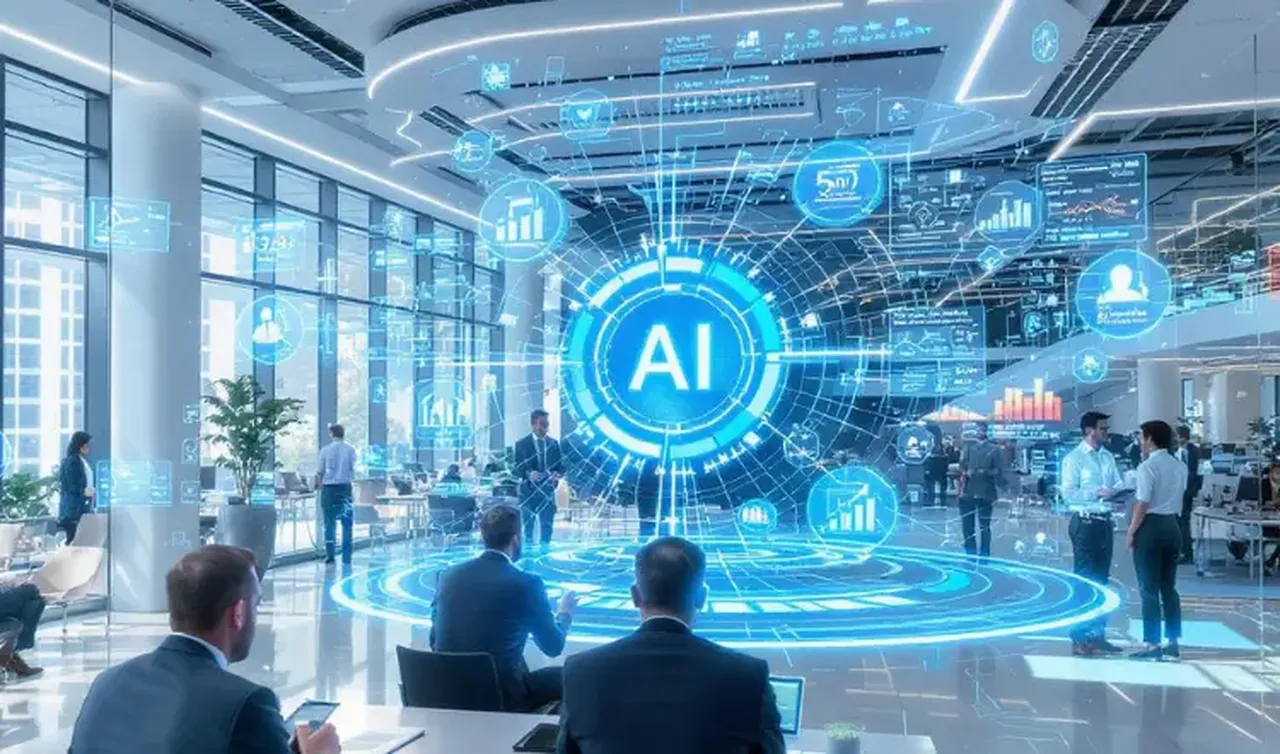
Five Ways AI Is Changing Leadership and Work is more than a trending discussion. It reflects a major shift in how organizations operate, make decisions, and support their workforce. As artificial intelligence becomes increasingly integrated into daily business functions, leaders are discovering new opportunities to improve efficiency while creating more meaningful employee experiences.
Across industries, companies are using AI to analyze data, automate repetitive tasks, and uncover insights that were previously difficult to identify. Consequently, leadership roles are evolving beyond traditional management practices. Modern leaders must now understand how technology influences people, processes, and organizational culture.
Moreover, this transformation continues to generate valuable HR trends and insights that help businesses prepare for a rapidly changing future.
Smarter Decision Making Through Data Driven Leadership
One of the most significant examples of Five Ways AI Is Changing Leadership and Work is the rise of data driven decision making. Leaders no longer rely solely on intuition when evaluating performance, workforce needs, or business priorities.
AI systems can process large volumes of information in real time and highlight patterns that may otherwise go unnoticed. As a result, managers gain deeper visibility into productivity trends, employee satisfaction levels, and operational challenges.
Furthermore, organizations can make faster and more informed decisions because AI provides actionable recommendations based on evidence rather than assumptions. This shift strengthens Workplace management strategies by allowing leaders to focus on long term growth while minimizing uncertainty.
Another important aspect of Five Ways AI Is Changing Leadership and Work is the improvement of employee experiences. Modern employees expect personalized support, flexible work environments, and opportunities for continuous development.
AI powered tools can help organizations deliver tailored learning recommendations, career development pathways, and personalized communication. Consequently, employees receive resources that align with their individual goals and strengths.
At the same time, businesses are leveraging Employee engagement research to understand what motivates their workforce. AI can analyze feedback from surveys, collaboration platforms, and performance data to identify engagement trends. Therefore, leaders can respond proactively and create environments where employees feel valued and supported.
Reshaping Talent Acquisition and Recruitment
Recruitment has undergone significant changes as artificial intelligence becomes a core component of hiring strategies. Five Ways AI Is Changing Leadership and Work can be clearly seen in how organizations attract and evaluate talent.
AI tools assist recruiters by screening applications, identifying relevant skills, and matching candidates with suitable roles. This enables hiring teams to spend more time building relationships with candidates rather than managing administrative tasks.
Additionally, Talent acquisition trends show that organizations increasingly rely on predictive analytics to forecast hiring needs and identify future skill gaps. As a result, leaders can make strategic workforce decisions that align with long term business objectives.
However, successful implementation requires a balance between technology and human judgment. While AI can improve efficiency, leaders must ensure hiring decisions remain fair, transparent, and inclusive.
Supporting Leadership Development
The growing use of artificial intelligence is also influencing how leaders develop their skills. Five Ways AI Is Changing Leadership and Work includes a stronger focus on continuous learning and adaptive leadership.
AI driven coaching platforms can provide personalized feedback based on communication patterns, performance metrics, and management behaviors. Consequently, leaders gain valuable insights into their strengths and areas for improvement.
Moreover, Leadership development insights suggest that future leaders will need a combination of emotional intelligence, strategic thinking, and technological awareness. AI can support this journey by delivering customized learning experiences and helping leaders build competencies that match evolving workplace demands.
As workplace expectations continue to shift, leaders who embrace continuous development will be better equipped to guide their teams through change.
Driving Productivity and Innovation
Organizations are increasingly using AI to automate repetitive processes and free employees to focus on higher value work. This represents another important example of Five Ways AI Is Changing Leadership and Work.
Routine administrative tasks that once consumed significant time can now be completed more efficiently through intelligent automation. Consequently, employees have greater capacity to contribute creative ideas, solve complex problems, and collaborate on strategic initiatives.
Furthermore, innovation often thrives when teams are relieved of repetitive workloads. Leaders can encourage experimentation and creative thinking because employees have more time to focus on meaningful contributions.
This connection between automation and innovation continues to influence discussions surrounding the Future of work research, particularly as businesses seek new ways to remain competitive.
Building More Agile Organizations
The modern business environment requires organizations to adapt quickly to changing market conditions. Five Ways AI Is Changing Leadership and Work highlights the growing importance of agility and responsiveness.
AI enables leaders to monitor trends, evaluate risks, and identify opportunities faster than ever before. As a result, businesses can adjust strategies in real time rather than reacting after challenges have already emerged.
Additionally, AI powered forecasting tools help organizations prepare for workforce changes, customer demands, and operational requirements. This proactive approach supports stronger Workplace management strategies and improves overall resilience.
Consequently, leaders who effectively combine human expertise with AI driven insights are better positioned to navigate uncertainty and drive sustainable growth.
Practical Insights for Leaders Navigating AI Adoption
Organizations exploring artificial intelligence should focus on using technology to enhance human potential rather than replace it. Successful adoption begins with clear goals, transparent communication, and ongoing employee education.
Leaders should also invest in understanding Employee engagement research and Talent acquisition trends to ensure AI initiatives align with workforce needs. Furthermore, leveraging Leadership development insights can help managers build the skills necessary to lead technology enabled teams effectively.
As highlighted by ongoing HR trends and insights and the latest Future of work research, the most successful organizations will be those that balance innovation with empathy. When AI is implemented thoughtfully, it becomes a powerful tool for strengthening leadership, improving employee experiences, and creating workplaces that are prepared for the future. HRInfoPro provides expert perspectives on workforce transformation, leadership innovation, and emerging workplace trends. Connect with HRInfoPro to discover practical strategies that help your organization thrive in a rapidly evolving world of work.